
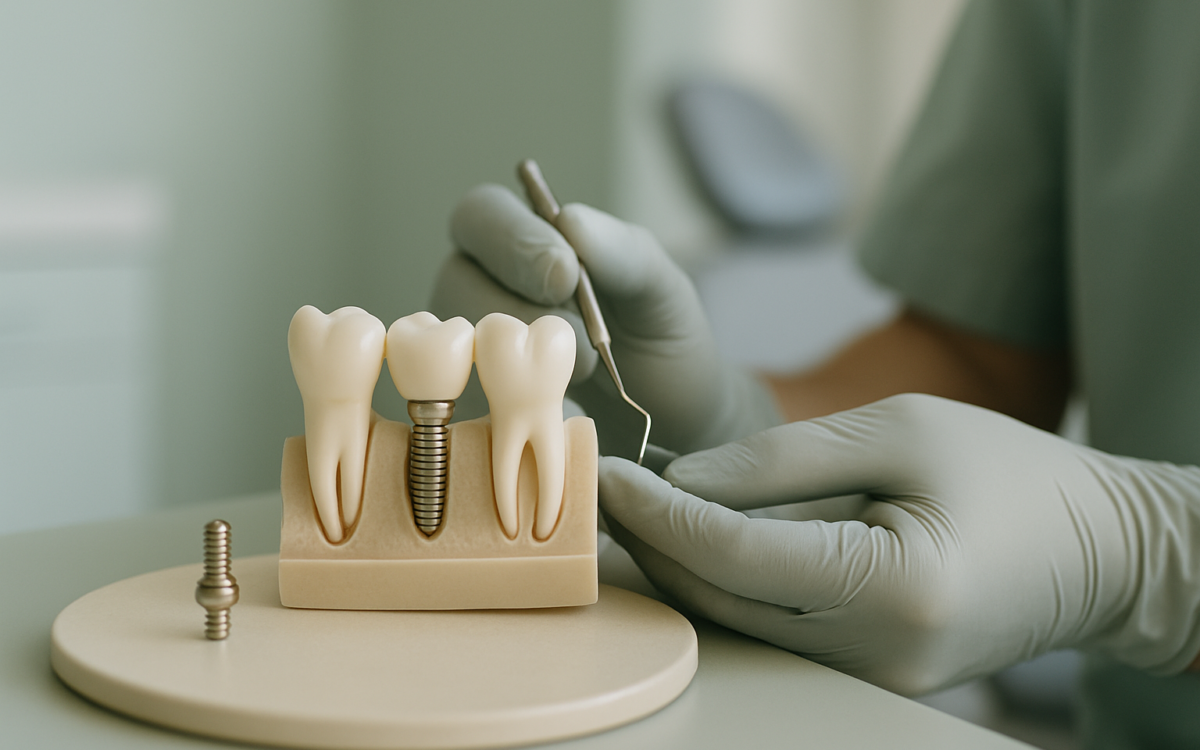
For many people, losing a tooth can be a challenging experience. Not only can it affect your smile, but it can also lead to other dental problems. Fortunately, dental implants offer a solution that mimics the look and function of natural teeth. They have become increasingly popular in the USA, providing a durable and effective method for tooth replacement. Let’s take a closer look at what dental implants are, how they work, and what you need to know before considering this treatment.
What Are Dental Implants?
Dental implants are artificial tooth roots made from biocompatible materials, typically titanium. They are surgically inserted into the jawbone to support dental prosthetics, such as crowns, bridges, or dentures. Unlike traditional dentures, which can slip or move, implants provide a stable foundation that feels and functions like natural teeth.
Benefits of Dental Implants
People opt for dental implants for various reasons, making them a desirable tooth replacement option. Here are some of the key benefits:
- Increased comfort: Implants become a part of you, eliminating the discomfort of removable dentures.
- Improved appearance: Dental implants look and feel like your natural teeth, boosting your confidence.
- Enhanced chewing ability: They provide better stability, allowing you to eat a wider variety of foods without discomfort.
- Long-lasting solution: With proper care, dental implants can last a lifetime, making them a cost-effective option in the long run.
- Bone preservation: Implants stimulate the jawbone, preventing the bone loss often associated with missing teeth.
The Dental Implant Procedure
The process of getting dental implants involves several steps, usually spread out over a few months:
1. Initial Consultation
Your journey begins with a consultation with a certified dentist or oral surgeon. They will assess your oral health and take X-rays to determine if you are a suitable candidate for implants.
2. Treatment Planning
If you proceed, your dentist will create a customized treatment plan. This plan considers the number of implants you need, the type of implants, and the overall timeline.
3. Implant Placement
The next step involves a minor surgical procedure where the implants are placed into your jawbone. This usually requires local anesthesia and may take an hour or longer, depending on the number of implants being placed.
4. Osseointegration
After placement, the implants will need time to fuse with the jawbone in a process known as osseointegration. This can take several months but is crucial for the stability of the implants.
5. Abutment and Crown Placement
Once osseointegration is complete, an abutment is attached to the implant. A custom-made crown, designed to blend with your natural teeth, is then placed on the abutment.
Costs of Dental Implants in the USA
Understanding the financial aspect of dental implants is essential. The cost can vary widely based on factors like the type of implant, the number required, and any additional procedures (like bone grafts). On average, dental implants in the USA range from $3,000 to $4,500 per implant, excluding the crown or any related surgical costs. It’s important to check with your dental insurance provider, as some plans may cover a portion of the expenses.
Aftercare and Recovery
After the procedure, your recovery will primarily depend on your overall health and how well you follow post-operative care instructions. Here are some general guidelines:
- Follow your dentist’s instructions regarding medication and oral hygiene.
- Eat soft foods and gradually reintroduce harder items as you heal.
- Attend follow-up appointments to ensure proper healing.
Most people can return to normal activities within a few days, with full recovery taking several months.
Are You a Candidate for Dental Implants?
Not everyone is a suitable candidate for dental implants. Good candidates typically have:
- Healthy gums and sufficient bone density to support the implant.
- No significant health conditions that would impede healing.
- A commitment to maintaining good oral hygiene.
Even if you have previous dental issues, such as gum disease, alternative treatments or procedures might make you a candidate for implants. Consulting with a dental professional is key.
When to See a Doctor
If you experience pain, prolonged swelling, or any unusual symptoms following your dental implant procedure, contact your dentist. Early intervention can often help address complications before they worsen.
Conclusion
Dental implants can be a remarkable solution for those seeking to restore their smile and improve their oral health. By understanding the procedure, benefits, and potential challenges, you can make an informed choice about whether dental implants are right for you. Always consult a qualified dental professional to explore your options and tailor your treatment plan to meet your unique needs.
