
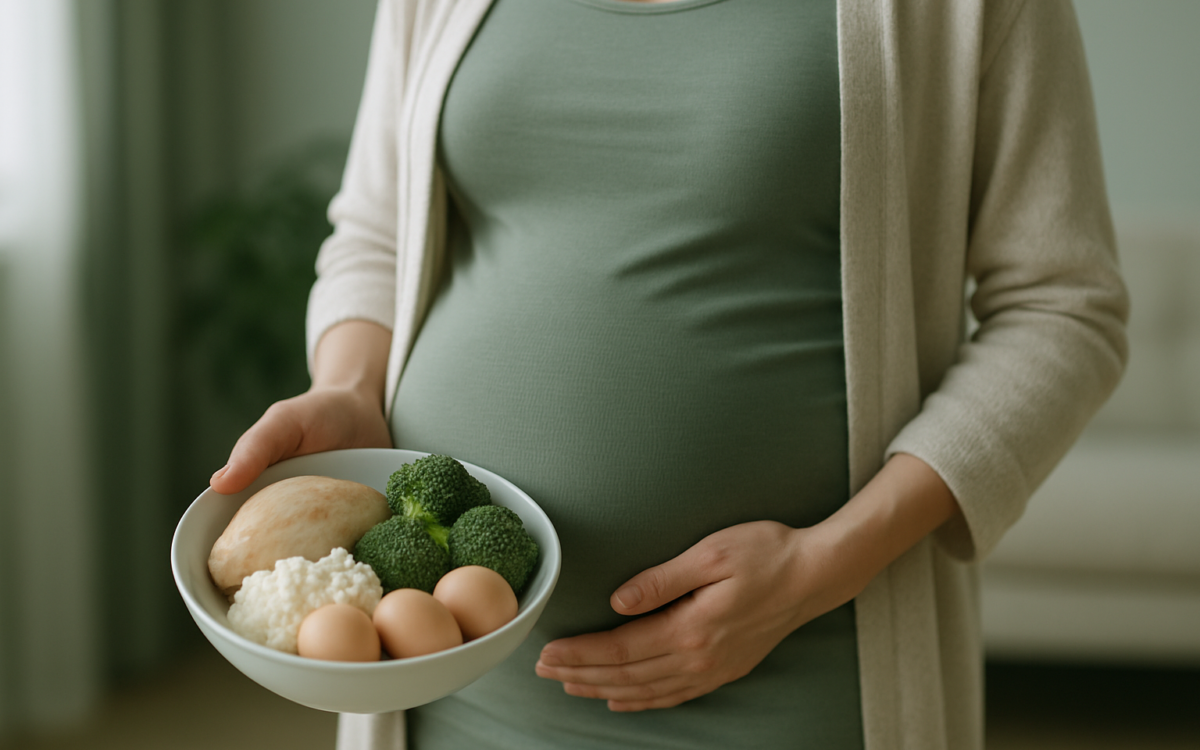
During pregnancy, your body undergoes remarkable changes, all designed to support the growth and development of your baby. One of the most crucial nutrients during this time is protein. Understanding why protein is important can help expectant mothers make informed dietary choices that benefit both themselves and their developing child.
What is Protein and Why is it Important?
Protein is an essential macronutrient made up of amino acids, which are the building blocks for many body functions. It plays a significant role in the growth of tissues, including muscles, skin, hair, and even organs. During pregnancy, your body requires more protein to support the increasing demands of the developing fetus.
How Much Protein Do You Need?
According to the National Institutes of Health, pregnant women need about 70 grams of protein per day, which is an increase from the average requirement of 46 grams for non-pregnant women. This increase helps meet the needs of your growing baby and supports your body’s changes. It’s important to spread this intake throughout the day for better absorption and utilization.
Sources of Protein During Pregnancy
Here are some excellent sources of protein that you can incorporate into your diet:
- Lean Meats: Chicken, turkey, and lean cuts of beef or pork.
- Fish: Salmon and sardines provide both protein and omega-3 fatty acids.
- Dairy Products: Milk, yogurt, and cheese are not only good sources of protein but also provide calcium.
- Legumes: Beans, lentils, and chickpeas are high in protein and fiber, which can help with digestion.
- Nuts and Seeds: Almonds, chia seeds, and pumpkin seeds offer protein along with healthy fats.
- Eggs: A versatile source of protein that can be prepared in many ways.
Including a variety of these sources in your meals can help you meet your protein needs while enjoying a well-rounded diet.
Benefits of Protein for You and Your Baby
Eating sufficient protein during pregnancy has several benefits:
- Supports Fetal Growth: Protein is vital for developing organs, muscles, and tissues in your baby.
- Reduces Pregnancy Complications: Adequate protein intake can potentially lower the risk of pregnancy-related complications, such as preeclampsia.
- Keeps You Energized: Protein can help maintain your energy levels, which is especially important as your body works hard to support your growing baby.
Moreover, adequate protein can help you maintain your muscle mass, which might be beneficial in managing weight gain during pregnancy.
Signs of Inadequate Protein Intake
A lack of protein during pregnancy can lead to various issues. If you notice any of the following signs, it may indicate that your protein intake is insufficient:
- Fatigue or excessive tiredness
- Delayed healing of wounds
- Muscle weakness
- Frequent infections
If you observe these symptoms, it’s important to consult your healthcare provider. They can help assess your dietary needs and suggest appropriate dietary adjustments.
Protein Supplements: Are They Necessary?
While getting enough protein from your diet is ideal, some women may find it challenging to meet their protein needs, especially if they experience morning sickness or other pregnancy-related issues. In such cases, protein supplements may be considered. However, it’s essential to speak with your healthcare provider before starting any supplementation. Not all supplements are created equal, and your provider can recommend the best options safe for you and your baby.
When to See a Doctor
If you have concerns about your protein intake or if you experience signs of inadequate protein consumption, consult your healthcare provider. They can guide you in adjusting your diet to meet your nutritional needs effectively.
Additionally, if you have a pre-existing condition or specific dietary restrictions, a conversation about your protein intake becomes even more critical. Your healthcare provider can develop a customized nutrition plan that aligns with your health and pregnancy goals.
Conclusion
Protein is a vital component of a healthy pregnancy, crucial for both the mother and the baby. By understanding your protein needs and incorporating diverse sources into your diet, you can ensure that you support your baby’s growth and your overall health. Remember, for any dietary changes or concerns, always consult with your healthcare provider to ensure your choices are safe and effective.
