
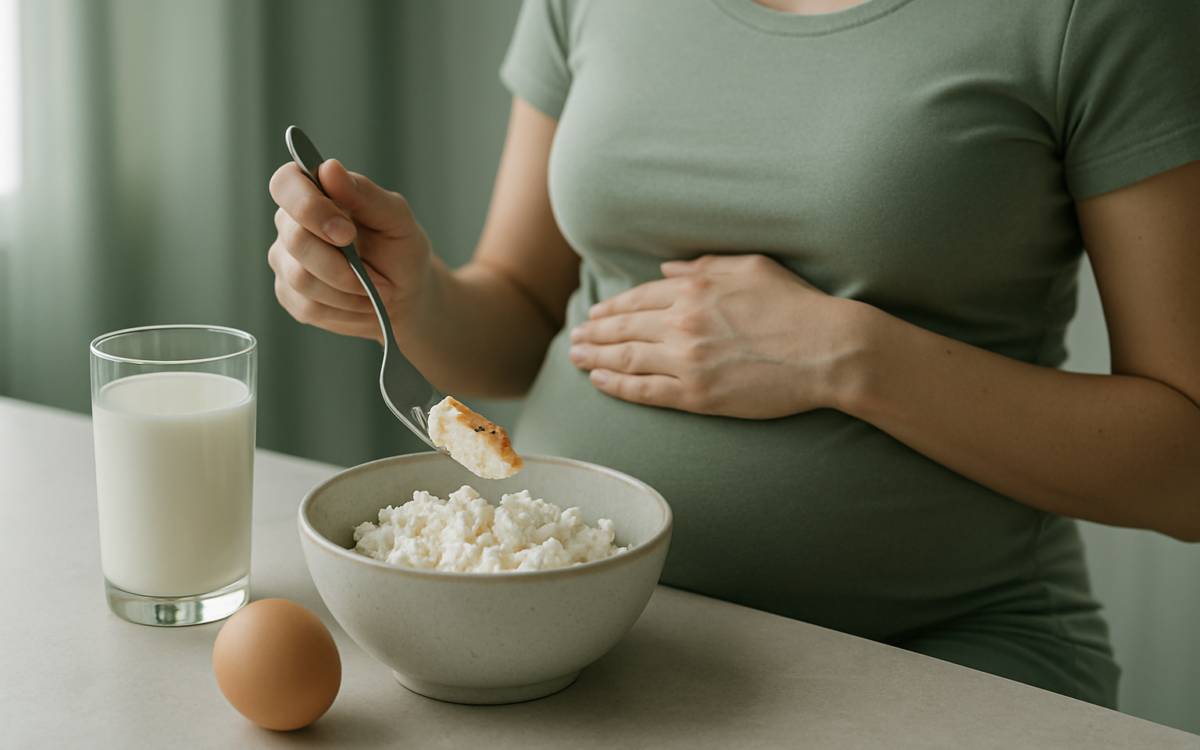
During pregnancy, your body undergoes significant changes to support the developing fetus. One critical nutrient that plays a vital role in this process is protein. From building the baby’s organs to maintaining your own health, protein is essential. In this article, we’ll explore why protein is crucial while pregnant, how much you need, and some healthy sources to incorporate into your diet.
Why is protein important during pregnancy?
Protein is a macronutrient made up of amino acids, which are the building blocks of life. During pregnancy, protein helps:
- Build and repair tissues
- Support the growth of the placenta
- Develop the baby’s muscles and brain
- Maintain maternal health
- Support the formation of antibodies in the mother and baby
Studies reveal that adequate protein intake is linked to better birth outcomes, such as higher birth weights and improved fetal development (NIH). Insufficient protein during pregnancy can lead to complications for both mother and baby.
How much protein do you need while pregnant?
The amount of protein needed during pregnancy can vary based on individual factors like pre-pregnancy weight, activity level, and overall health. However, the general recommendation is about:
- 70-100 grams of protein per day for pregnant women
For those who are pregnant with multiples, the protein needs increase even further. It’s important to discuss your specific needs with your healthcare provider, who can provide personalized recommendations.
What are the best sources of protein?
Incorporating a variety of protein sources into your diet can help you meet your needs while also providing other essential nutrients. Here are some excellent sources of protein to consider:
- Animal-based sources: Lean meat, poultry, fish, eggs, and dairy products are rich in high-quality protein. They also provide important nutrients like iron and calcium.
- Plant-based sources: Beans, lentils, chickpeas, tofu, nuts, and seeds are great options for those who prefer vegetarian or vegan diets. They offer good amounts of protein and fiber.
- Protein supplements: If you’re struggling to meet your protein needs through food alone, consider high-quality protein powders. Always check with your doctor before adding supplements to your diet.
Internationally, dietary habits vary, and women’s protein needs can be achieved through local cuisine. For example, in Mediterranean regions where legumes and fish are staples, pregnant women may find that traditional diets support both their health and that of their baby. For those seeking international treatment perspectives on pregnancy health, Acibadem International offers valuable insights into nutrition and care standards across different cultures.
Protein timing and distribution
It’s not just the total amount of protein you consume that’s important; how you spread it throughout the day can also play a role in optimizing its benefits. Aim to include protein in every meal and snack. For example:
- Have eggs or Greek yogurt for breakfast.
- Include lean meat or beans in your lunch and dinner.
- Snack on cheese, nuts, or hummus between meals.
This approach can help maintain energy levels and support muscle development in your growing baby.
Supplementing protein during pregnancy
Many expectant mothers wonder if they should consider protein supplements. While whole food sources are the best way to meet nutritional needs, some may benefit from added protein shakes or bars, especially if they experience morning sickness or have dietary restrictions. Always choose high-quality supplements, and consult your healthcare provider to determine what’s appropriate for you.
When to see a doctor
If you have concerns about your protein intake or other nutritional needs during pregnancy, it’s important to consult your doctor. Some signs that you might need to discuss your diet include:
- Your doctor recommends dietary changes based on routine tests.
- You’re experiencing significant weight changes or difficulties with eating.
- You have specific health conditions that complicate nutrition, like gestational diabetes.
Conclusion
Ensuring an adequate intake of protein during pregnancy is crucial for the health of both you and your baby. By focusing on a range of protein sources and discussing your dietary needs with a healthcare professional, you can support a healthy pregnancy. Remember, every pregnancy is unique, and it’s essential to find a nutrition plan that works best for you.
