
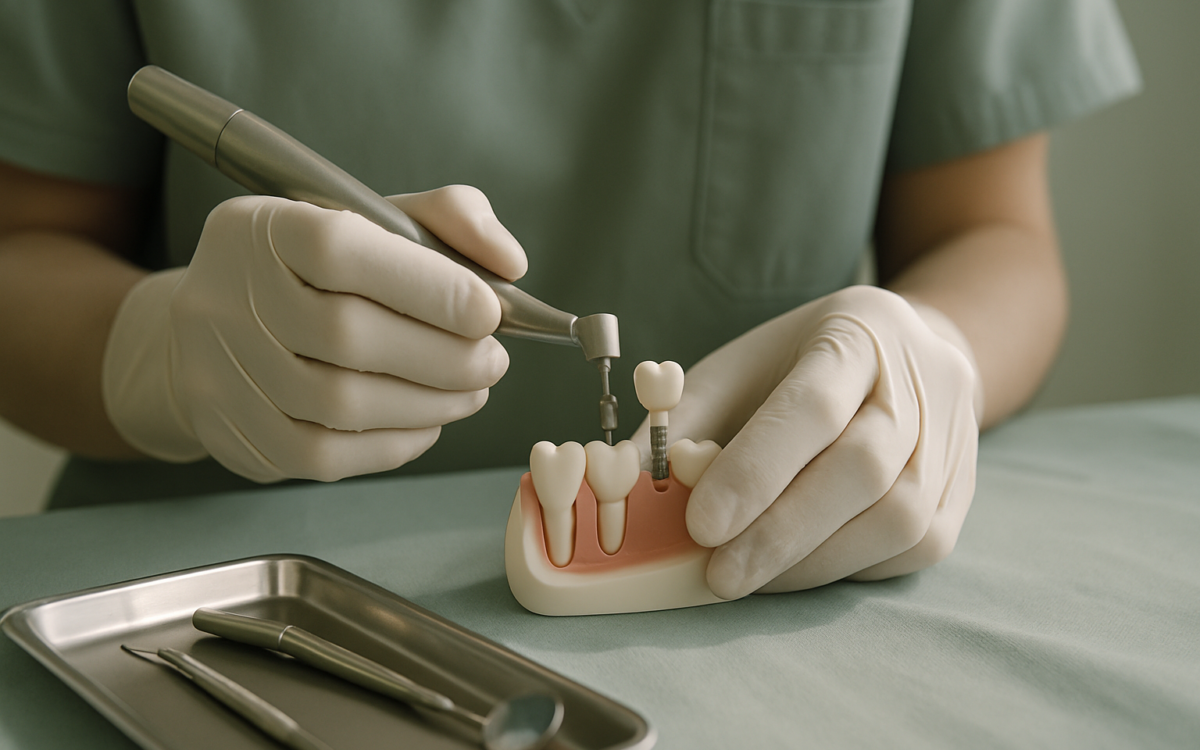
In a world where a bright smile is often associated with health, confidence, and happiness, losing teeth due to decay, injury, or age can feel overwhelming. Fortunately, advancements in dental technology have led to innovative solutions like teeth planting, also known as dental implants. This procedure not only restores functionality but can also enhance aesthetics, providing a lifelike replacement that can last many years.
What Is Teeth Planting?
Teeth planting refers to the process of surgically placing a dental implant into the jawbone. This implant acts as a root for an artificial tooth that is later attached. Typically made of titanium or another biocompatible material, these implants fuse with the bone in a process known as osseointegration. Once fully integrated, these implants can support crowns, bridges, or dentures.
The Benefits of Teeth Planting
Teeth planting offers numerous advantages over traditional tooth replacement methods. Here are some of the most notable benefits:
- Improved Functionality: Dental implants function like natural teeth, allowing for normal eating and speaking.
- Long-lasting Solution: With proper care, dental implants can last for decades, making them a worthwhile investment.
- Preservation of Jawbone: Implants stimulate the jawbone, preventing bone loss that often occurs with missing teeth.
- Enhanced Aesthetics: Implants can be color-matched to your natural teeth, providing a seamless look.
- Boost in Confidence: A complete smile can significantly improve self-esteem.
The Teeth Planting Procedure
The teeth planting process is typically completed in several stages:
Initial Consultation
Your journey begins with a consultation with a dental professional. During this visit, your oral health will be assessed, and imaging tests (like X-rays or CT scans) may be taken to evaluate the condition of your jawbone.
Surgical Procedure
Once you are deemed a suitable candidate, the dental implant procedure will be scheduled. This is generally done under local anesthesia or sedation. During surgery, the implant is carefully placed into the jawbone through a small incision in the gum.
Healing and Osseointegration
After the implant is placed, a healing period of several months is required. During this time, the implant will integrate with the bone, creating a strong foundation.
Placement of the Crown
Once osseointegration is complete, a crown or artificial tooth is attached to the implant. This is usually done through an abutment, which serves as a connector. The final restoration will be tailored to match the shape and color of your natural teeth.
Who Can Benefit from Teeth Planting?
Teeth planting can be an ideal solution for many individuals. It is suitable for:
- Those who have lost one or more teeth due to injury or decay.
- Individuals seeking a permanent solution over removable dentures.
- Patients with sufficient jawbone density to support the implant.
However, certain conditions, such as uncontrolled diabetes or severe gum disease, may affect candidacy. A dental professional can provide personalized advice based on individual health situations.
Care and Maintenance of Dental Implants
<pOnce you've received dental implants, maintaining them is crucial. Here are some tips to help:
- Practice Good Oral Hygiene: Brush and floss daily to keep your mouth clean and healthy.
- Regular Dental Visits: Schedule regular check-ups and cleanings with your dentist.
- Avoid Excessive Force: Be cautious with hard foods that could damage your implants.
With proper care, dental implants provide a durable and functional replacement for missing teeth. According to the National Institutes of Health, dental implants have a success rate of up to 98%, making them a reliable option for many.
Potential Risks and Complications
As with any surgical procedure, teeth planting can have risks and complications. Some of the most common include:
- Infection: As with any surgery, there is a risk of infection, particularly at the site of the implant.
- Bone Loss: If an implant fails to integrate properly, it could lead to further bone loss.
- Nerve Damage: In rare cases, nerve damage can occur, leading to tingling or numbness in the surrounding area.
Discussing these risks with your dental provider will help you understand what to expect and how to mitigate potential complications.
When to See a Doctor
If you experience any discomfort, unusual swelling, or persistent pain around the implant site after the procedure, it’s crucial to contact a dental professional. Early detection and intervention can address potential complications effectively and ensure the longevity of your dental implants.
In summary, teeth planting represents a significant advancement in dental treatment, providing effective and long-lasting solutions for those who have lost teeth. By understanding the procedure, its benefits, and the importance of aftercare, you can make informed decisions about your dental health that lead to a confident, radiant smile.
