
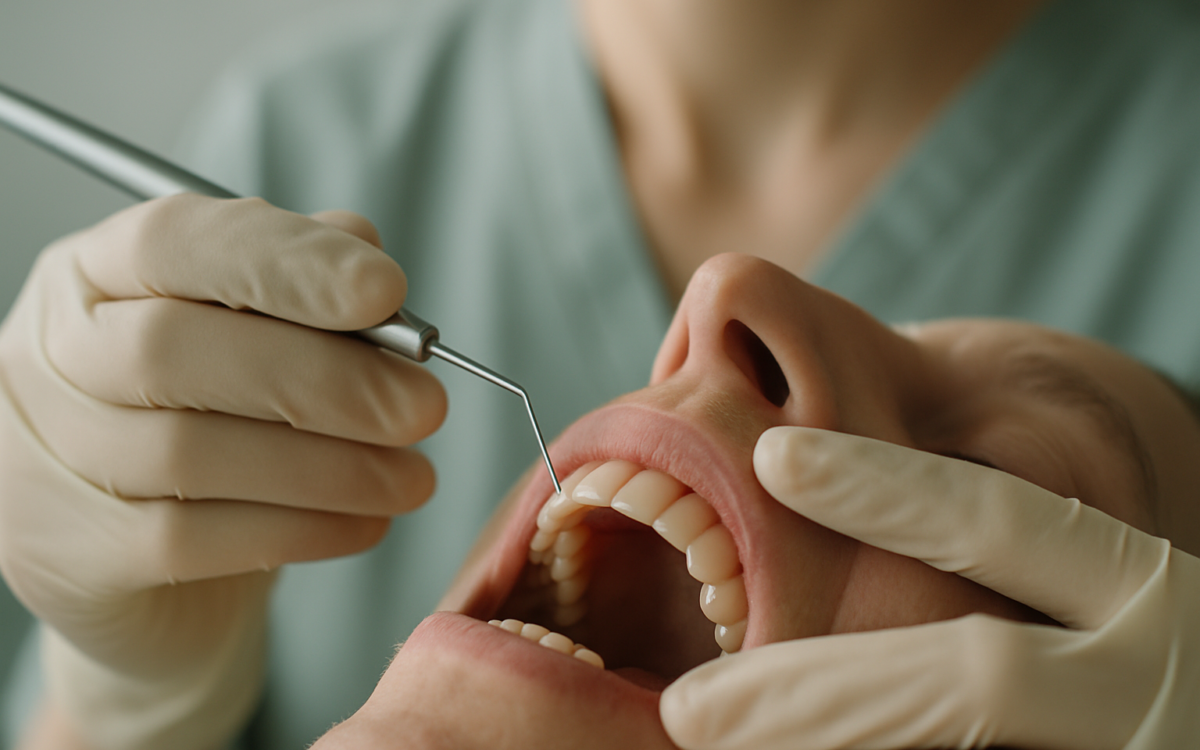
When we think about our health, dentistry often takes a backseat to other concerns. However, oral health is deeply interconnected with our overall wellbeing. One alarming question many people may not consider is whether gum disease can actually lead to death. The simple answer is, it can. But let’s delve deeper into how a problem that seems limited to our mouths can have far-reaching effects on the body.
Understanding Gum Disease
Gum disease, also known as periodontal disease, is an infection of the tissues that surround and support your teeth. It often begins as simple gum inflammation (gingivitis) caused by plaque buildup. When left untreated, gingivitis can advance to periodontitis, a more severe stage that can result in tooth loss.
The cause? Bacteria in plaque release toxins that trigger an inflammatory response. If this inflammation goes unchecked, it can affect the bone structure holding the teeth, leading to more serious health issues.
The Connection Between Gum Disease and Overall Health
Research shows that gum disease can impact various systems in the body beyond the mouth. The connection lies primarily in the body’s inflammatory response. Chronic inflammation, often seen in patients with gum disease, is a risk factor for several serious conditions, including heart disease and diabetes. In fact, the Centers for Disease Control and Prevention indicates that poor oral health may increase the risk of cardiovascular diseases.
Cardiovascular Risks Associated with Gum Disease
The principal concern is that the bacteria from gum disease can enter the bloodstream. Once there, they might contribute to the formation of arterial plaque. This process can lead to atherosclerosis, a condition characterized by thickened artery walls that significantly raises the risk of heart attacks and strokes.
A study in the journal Circulation found that individuals with gum disease had a twofold greater risk of heart disease compared to those without. This alarming correlation brings to light how oral health isn’t just confined to dental outcomes.
Diabetes and Gum Disease: A Dangerous Duo
Diabetes is another critical health condition closely linked to gum disease. Individuals with diabetes are at a higher risk for developing infections, including those affecting the gums. Poorly controlled blood sugar levels can also worsen gum disease, creating a vicious cycle that can lead to severe health complications.
According to research published by the Mayo Clinic, there is a bidirectional relationship between gum disease and diabetes. Not only can gum disease make diabetes management more difficult, but having diabetes increases the risk of severe gum disease.
Respiratory Issues and Gum Disease
It may sound surprising, but gum disease can also increase the risk of respiratory problems. Bacteria from infected gums can be aspirated into the lungs and lead to respiratory infections, such as pneumonia. A research study published in the Journal of Clinical Periodontology established this link, emphasizing how maintaining oral health plays a critical role in preventing respiratory illnesses, especially in older adults.
Considering the Lifespan Impact
While gum disease itself doesn’t directly cause death, the complications arising from untreated cases can be life-threatening. Heart disease, diabetes complications, and respiratory infections, all associated with advanced gum disease, can significantly shorten one’s lifespan.
Moreover, individuals suffering from severe gum disease often experience a decrease in quality of life. They may have difficulty eating and may struggle with pain, impacting their overall health and wellbeing.
Preventative Measures
The good news is that gum disease is largely preventable. Here are some proactive measures to promote good oral health:
- Brush your teeth at least twice a day with fluoride toothpaste.
- Floss daily to remove plaque and food particles between teeth.
- Visit the dentist regularly for cleanings and check-ups.
- Avoid tobacco products as they can exacerbate gum problems.
- Maintain a balanced diet rich in vitamins and minerals.
When to See a Doctor
If you notice signs of gum disease, such as persistent bad breath, swollen gums, or bleeding while brushing, it is crucial to consult a healthcare professional. Early intervention can prevent more severe health risks associated with gum disease.
Conclusion
Gum disease should not be underestimated. It is a condition that can impact far more than just your mouth. While it may not directly cause death, the cascading effects of untreated gum disease can lead to life-threatening health issues. This highlights the importance of maintaining good oral hygiene and seeking timely dental care. Your mouth is a gateway to your overall health, and taking care of it can be one of the smartest health decisions you make.
