
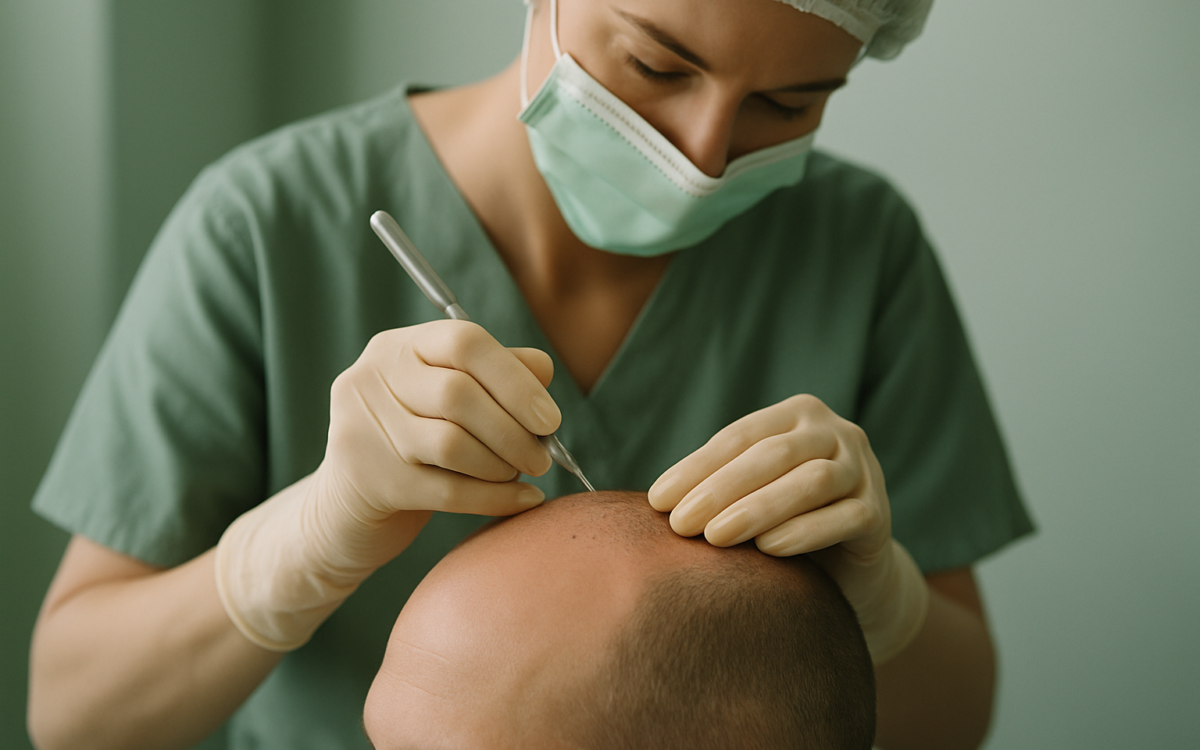
Hair loss can be a sensitive topic for many, affecting both men and women. With advancements in medical technology, many are turning to hair implant surgery as a long-term solution to rejuvenate their hair growth. This surgery aims to restore hair in areas where it has thinned or receded, offering hope for those struggling with confidence due to hair loss. In this article, we will delve into the various aspects of hair implant surgery, from types of procedures to recovery expectations and important considerations.
What is Hair Implant Surgery?
Hair implant surgery, also referred to as hair transplant surgery, is a procedure in which hair follicles are moved from one part of the body, often the back of the scalp, to the balding areas. This is typically performed under local anesthesia, meaning that patients remain awake throughout the process but do not feel any pain.
Types of Hair Implant Procedures
There are two main techniques used in hair implant surgery: Follicular Unit Transplantation (FUT) and Follicular Unit Extraction (FUE).
Follicular Unit Transplantation (FUT)
FUT involves removing a strip of skin from a donor area, usually the back of the head. The hair follicles are then dissected from this strip and implanted into the thinning areas. Although this method may leave a thin scar at the donor site, it allows for a high number of grafts to be transplanted in one session.
Follicular Unit Extraction (FUE)
In contrast, FUE extracts individual hair follicles directly from the scalp using a specialized tool. This method is less invasive and does not leave a linear scar, making it an appealing option for many patients. However, it may take longer to perform and could be more expensive.
The Candidate Experience
Before undergoing hair implant surgery, candidates should have a consultation with a qualified specialist. During this assessment, the surgeon will evaluate the extent of hair loss, the potential for donor hair, and the patient’s overall health. Good candidates generally:
- Are in good overall health
- Have a stable hair loss condition
- Understand the potential outcomes and limitations
It is important to note that hair implant surgery is not appropriate for everyone. A detailed discussion with a healthcare professional helps determine if this is the right option for you.
What to Expect During Recovery
Recovery from hair implant surgery varies from person to person. Here are some general expectations:
- Initial recovery: Most patients can return to their regular activities within a few days. However, doctors often recommend avoiding strenuous exercise for a week or two.
- Healing: In the first few days, patients may experience swelling, redness, or scabbing in both the donor and recipient areas. These symptoms typically resolve within a week.
- Hair growth timeline: It is common for transplanted hair to fall out within the first month after surgery. This is usually temporary, and new hair should begin to grow around three to four months post-surgery.
Most patients start seeing significant results about six months after the procedure, with full results visible in about a year.
Costs and Considerations
The cost of hair implant surgery can vary widely based on location, the technique used, and the number of grafts needed. On average, prices in the United States can range from $4,000 to $15,000. Patients considering surgery should also take into account the following factors:
- Qualifications of the surgeon
- Possible need for multiple sessions
- Long-term care and products for maintaining hair health
For those exploring international options, many clinics offer affordable procedures without compromising quality. For instance, Acibadem International provides comprehensive international patient services, providing support for individuals seeking treatment abroad.
Potential Risks and Side Effects
As with any surgical procedure, hair implant surgery carries some risks. Possible complications include:
- Bleeding
- Infection
- Scarring
- Poor growth of the transplanted hair
It is essential to discuss these risks with your surgeon beforehand. Additionally, some patients may experience temporary shock loss, where existing hair falls out after the surgery but regrows over time.
When to See a Doctor
If you experience persistent pain, severe swelling, or signs of infection such as fever or pus after your surgery, it’s important to contact your doctor immediately. Additionally, if you notice no improvement in hair growth after several months post-surgery, a follow-up with your healthcare provider is recommended.
Hair implant surgery can significantly enhance one’s appearance and confidence, but it is crucial to approach the process with realistic expectations and an informed mindset. Consulting with a qualified specialist and understanding the details of the procedure is the best way to ensure a successful outcome.
