
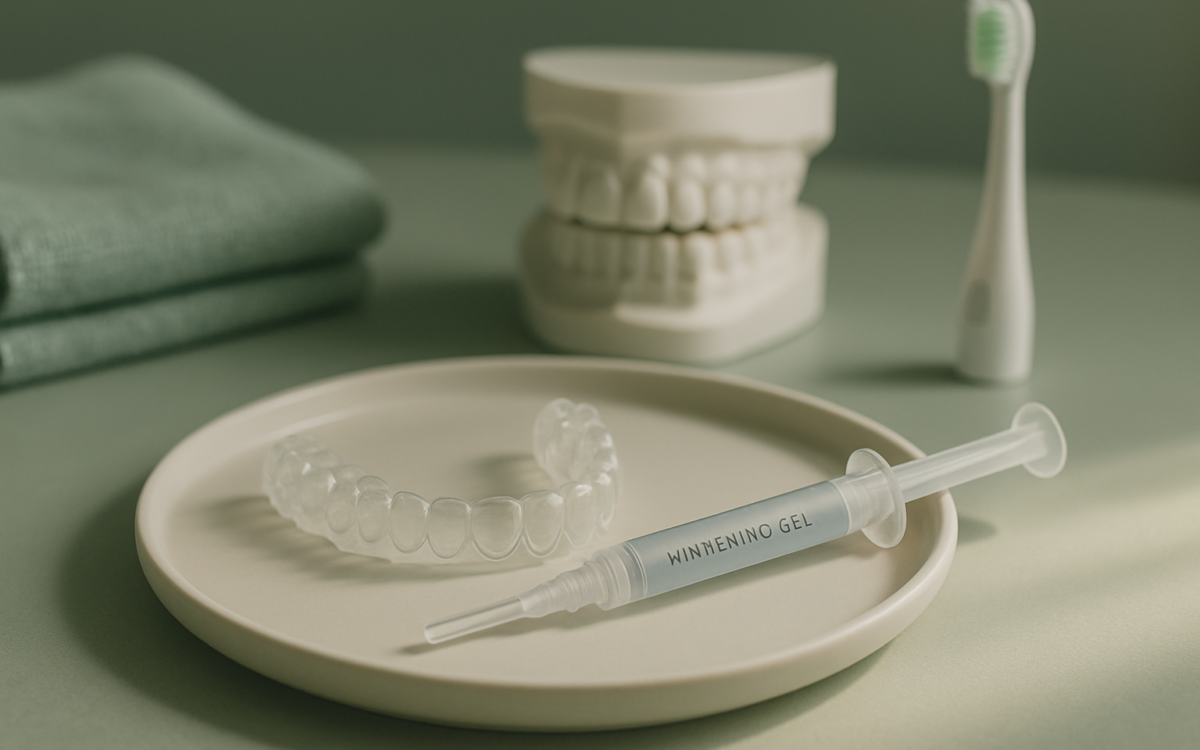
Many people dream of having a brighter, whiter smile. Whether it’s for a special occasion or just to boost your confidence, teeth whitening has become a popular pursuit. However, with so many options available, how do you choose the best dental bleach for your needs? In this article, we’ll explore various types of dental bleach, their effectiveness, and tips for ensuring safe and beautiful results.
Understanding Dental Bleach
Dental bleach refers to products designed to whiten teeth by removing stains and discoloration. The primary active ingredients in these products are usually hydrogen peroxide or carbamide peroxide, both of which can penetrate the enamel and break down stains. Here’s a breakdown of how they work:
- Hydrogen Peroxide: This is a powerful bleaching agent that can lighten tooth color significantly. It’s commonly found in both professional treatments and home whitening products.
- Carbamide Peroxide: This is a compound that breaks down into hydrogen peroxide when applied. It is often used in lower concentrations for at-home whitening trays.
Regardless of the form, the goal of dental bleach is the same: to restore your teeth’s natural brightness.
Types of Dental Bleach
When considering the best dental bleach, it’s crucial to understand the different types available:
1. In-office Whitening
One of the most effective ways to whiten teeth is through professional treatment at a dentist’s office. In-office whitening typically involves the following:
- Higher concentrations of bleach, usually hydrogen peroxide.
- Application of protective barriers for gums and soft tissues.
- Possibility of using LED light to enhance the bleaching process.
This method can deliver results in about an hour and can lighten teeth several shades in one visit.
2. At-home Whitening Kits
These kits are convenient and often more affordable. They come in various forms:
- Whitening Strips: Thin, flexible plastic strips coated with whitening gel that are applied directly to the teeth.
- Whitening Trays: Custom-fitted or one-size-fits-all trays filled with bleaching gel and worn for a specific duration.
- Whitening Toothpaste: Formulated to help remove surface stains but usually have much lower concentrations of bleach.
At-home kits can take longer to show results, often requiring daily use over a couple of weeks.
3. Natural and Alternative Methods
Beyond commercial products, some people look for natural alternatives. While many of these methods lack the evidence required to guarantee effectiveness, they may be worth exploring:
- Baking Soda: This mild abrasive can help remove surface stains.
- Activated Charcoal: Some claim it can absorb toxins and help whiten teeth, but evidence is limited.
- Oil Pulling: Swishing oil around in the mouth is believed to reduce bacteria and improve oral health.
Consult with your dentist before trying these methods to ensure they won’t harm your enamel.
Factors to Consider When Choosing Dental Bleach
Selecting the right type of dental bleach can depend on several personal factors:
- Severity of Stains: For heavy stains, in-office treatments may be more effective. For light staining, at-home kits could suffice.
- Sensitivity: If you have sensitive teeth, you may want to choose products designed for sensitive users or consult your dentist for advice.
- Time Commitment: Determine how much time you’re willing to invest in the whitening process. In-office treatments are quicker, while at-home options take longer.
Discussing your goals and concerns with a dental professional can lead to more tailored advice.
Safety and Side Effects
While using dental bleach is generally safe when following instructions, some individuals may experience side effects, including:
- Tooth sensitivity
- Gum irritation
- Uneven whitening results
If you experience significant discomfort, it’s essential to stop use and consult your dentist. They can assess any potential damage and recommend alternative options.
When to See a Doctor
If you’re considering teeth whitening, it’s a good idea to consult with a dental professional. Here are some reasons to seek their advice:
- You have existing dental issues, such as cavities or gum disease.
- You’re unsure about which whitening method is best for you.
- You experience persistent tooth sensitivity or pain during or after whitening.
Your dentist can help ensure that your smile is not only whiter but also healthier.
Conclusion
Choosing the best dental bleach involves understanding the available options, considering your unique needs, and prioritizing safety. From professional treatments to at-home kits and natural methods, there’s a solution for nearly every smile. Always consult with a dental professional if you have questions or concerns about whitening your teeth. With the right approach, you can achieve a brighter smile and the confidence that comes with it.
For more information on safe teeth whitening practices, you can visit reliable resources such as the Mayo Clinic or the National Institutes of Health.
