
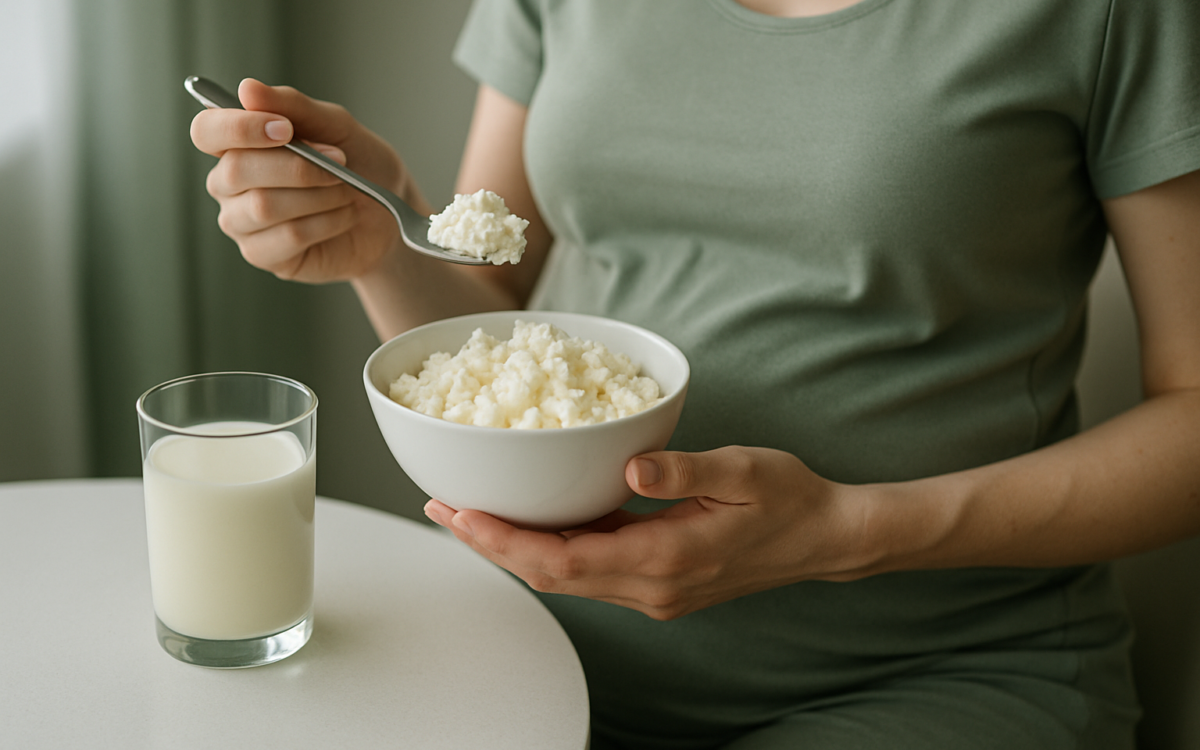
Pregnancy is a beautiful journey filled with anticipation and excitement. As your body changes and grows, it’s essential to nourish it properly for both your health and the developing baby. One of the most crucial nutrients during this time is protein. Understanding its importance can help you make informed dietary choices that support your pregnancy.
Why Is Protein Important During Pregnancy?
Protein plays several critical roles during pregnancy. It acts as a building block for cells and is vital for the growth of your baby’s tissues, including the brain and muscles. Moreover, adequate protein intake helps with the formation of amniotic fluid, and it supports the changes in your body, such as increased blood volume and tissue growth.
According to the National Institutes of Health, pregnant women should aim to consume about 70 grams of protein per day, which is significantly higher than the 46 grams recommended for non-pregnant women. This increase ensures that both mother and baby receive the necessary nutrients for optimal health and development.
Protein Sources for Pregnant Women
Incorporating protein-rich foods into your diet is easier than you might think. Here are some excellent sources of protein for pregnant women:
- Lean Meat: Chicken, turkey, and lean cuts of beef are packed with protein and also provide essential iron.
- Fish: Oily fish like salmon is rich in omega-3 fatty acids, which are crucial for brain development. However, limit fish high in mercury.
- Dairy: Milk, cheese, and yogurt are great sources of protein and calcium.
- Eggs: They are versatile and a powerhouse of protein, vitamins, and minerals.
- Legumes: Beans, lentils, and peas are not only good plant-based sources of protein but also high in fiber.
- Nuts and Seeds: Almonds, walnuts, and chia seeds provide protein and healthy fats.
How to Include More Protein in Your Diet
Finding ways to include protein in your daily meals can be simple and enjoyable. Here are some practical tips:
- Start your day with a protein-rich breakfast. Consider eggs, Greek yogurt, or oatmeal topped with nuts.
- Snack wisely. Keep protein-rich snacks on hand, such as hummus with vegetables, yogurt, or nuts.
- Experiment with smoothies. Blend milk or yogurt with fruits and a scoop of protein powder for an easy, nutritious drink.
- Make meals protein-centric. Focus on including a source of protein in every meal, whether it’s a meat dish, a vegetarian option, or a dairy side.
Special Considerations for International Treatment
For those seeking health care options abroad, access to high-quality treatment is crucial. For instance, women considering treatment in Turkey may find that hospitals and clinics often include nutrition counseling as part of their prenatal care services. Aligning healthcare with nutrition is vital, especially for a healthy pregnancy.
Potential Risks of Inadequate Protein Intake
Failing to consume enough protein can lead to several complications during pregnancy. Insufficient protein can affect fetal growth and development, potentially leading to low birth weight or premature birth. Additionally, it may result in gestational hypertension and other health issues for the mother, which can complicate delivery and recovery.
The World Health Organization emphasizes the importance of proper nutrition, including adequate protein intake, to ensure the health of both mother and baby.
When to See a Doctor
If you have concerns about your protein intake or nutritional needs during pregnancy, it’s important to consult with a healthcare professional. Signs to watch for include fatigue, weight loss, or any unusual symptoms that might indicate inadequate nutrition. Your doctor can offer personalized advice and may refer you to a nutritionist for further guidance.
Conclusion
Protein is a fundamental component of a balanced diet during pregnancy. By making informed dietary choices and incorporating various protein sources into your meals, you can help ensure a healthy pregnancy for yourself and your baby. Remember, if you ever have doubts or questions, don’t hesitate to reach out to your doctor for more personalized advice.
