
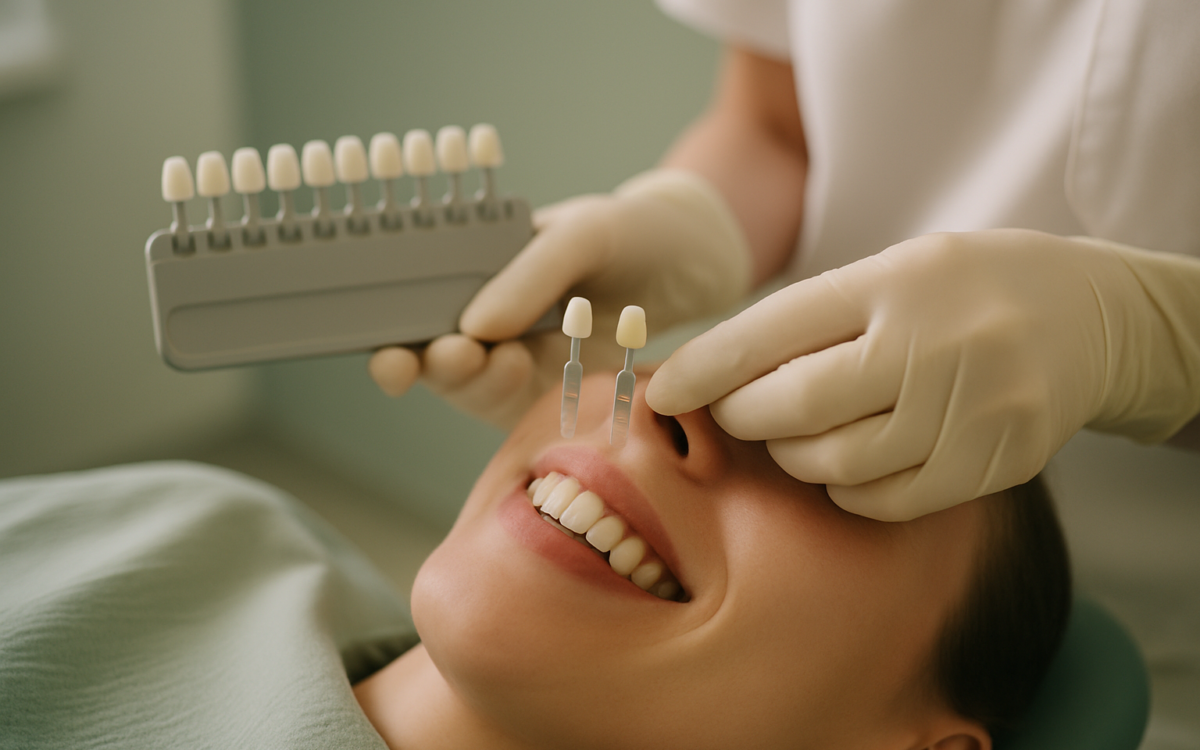
A bright smile can be a source of confidence and joy, but many people are not happy with the color of their teeth. Over time, our teeth can become stained due to various factors like food, drinks, and even aging. Thankfully, teeth whitening products and procedures can help restore their natural brightness. In this article, we will explore the transformative effects of teeth whitening, showcasing genuine before and after outcomes, methods available, and considerations for safety and health.
Understanding Teeth Discoloration
Before diving into whitening treatments, it’s essential to understand what causes our teeth to discolor. There are two primary types of tooth discoloration:
- Extrinsic discoloration: This occurs when the outer layer of the tooth, the enamel, becomes stained. Common culprits include coffee, tea, red wine, and tobacco.
- Intrinsic discoloration: This happens when the inner structure of the tooth, known as dentin, changes or darkens. This type may result from aging, trauma, certain medications, or excessive fluoride.
Understanding the reason behind discoloration helps in choosing the right whitening method.
Teeth Whitening Options
Several teeth whitening options are available, each with its pros and cons. Here are the most commonly used methods:
1. In-Office Whitening
Performed by a dental professional, in-office whitening uses stronger bleaching agents and often includes a special light to enhance the process. This method usually provides the most dramatic results in a single session.
2. At-Home Whitening Kits
Available over-the-counter or prescribed by a dentist, these kits contain lower concentrations of bleaching agents. They may include whitening strips, gels, or trays that mold to your teeth. While they are convenient, results may take longer to achieve compared to in-office treatments.
3. Natural Remedies
Some people prefer natural remedies, like baking soda and hydrogen peroxide mixtures, or activated charcoal. While some anecdotal evidence suggests effectiveness, research backing these methods is minimal.
4. Whitening Toothpaste
Although they don’t produce noticeable results like other methods, whitening toothpaste can help remove surface stains and maintain brightness over time.
Before and After: The Results of Teeth Whitening
Many individuals who undergo teeth whitening experience significant improvements in their smiles. Here are some generalized outcomes based on treatment results:
- In-Office Whitening: Many patients report teeth appearing 3 to 8 shades lighter after just one session.
- At-Home Kits: Many users see a gradual improvement, with results typically appearing in about two weeks. Teeth can become 2 to 6 shades lighter.
- Natural Remedies: Results may vary widely, and many users may not see significant changes.
When comparing before and after photos, it is evident how whitening treatments can boost confidence and enhance one’s overall appearance.
Potential Risks and Side Effects
While teeth whitening can be effective, it is not without potential risks. Some common side effects include:
- Tooth Sensitivity: Many individuals experience increased sensitivity to hot or cold temperatures post-treatment.
- Gum Irritation: Whitening agents can also irritate the gums, leading to discomfort.
- Uneven Results: Existing dental work (like veneers or crowns) may not whiten alongside natural teeth, leading to an uneven smile.
To minimize these risks, consult a dental professional before beginning any whitening regimen.
Maintaining Your Bright Smile
After achieving your desired level of whiteness, it’s essential to take steps to maintain your beautiful smile:
- Good Oral Hygiene: Brush and floss your teeth regularly to prevent new stains.
- Avoid Staining Foods: Limit consumption of coffee, tea, red wine, and dark-colored sauces.
- Regular Dental Check-Ups: Visiting your dentist regularly can help maintain your smile and monitor for any potential issues.
By adopting these habits, you can help ensure that your bright, white smile lasts as long as possible.
When to See a Doctor
If you experience significant discomfort, severe tooth sensitivity, or irritation that lasts more than a few days following whitening treatment, consult a dental professional. Additionally, if you notice any unusual discoloration in your teeth or changes in your oral health, seeking expert advice is crucial.
Teeth whitening can be a transformative journey for many people, bringing renewed confidence and a brighter smile. By understanding the options available, considering safety factors, and maintaining good oral hygiene, you can achieve the beautiful results you desire. To make informed decisions regarding your dental health, don’t hesitate to reach out to your dentist for personalized advice.
