
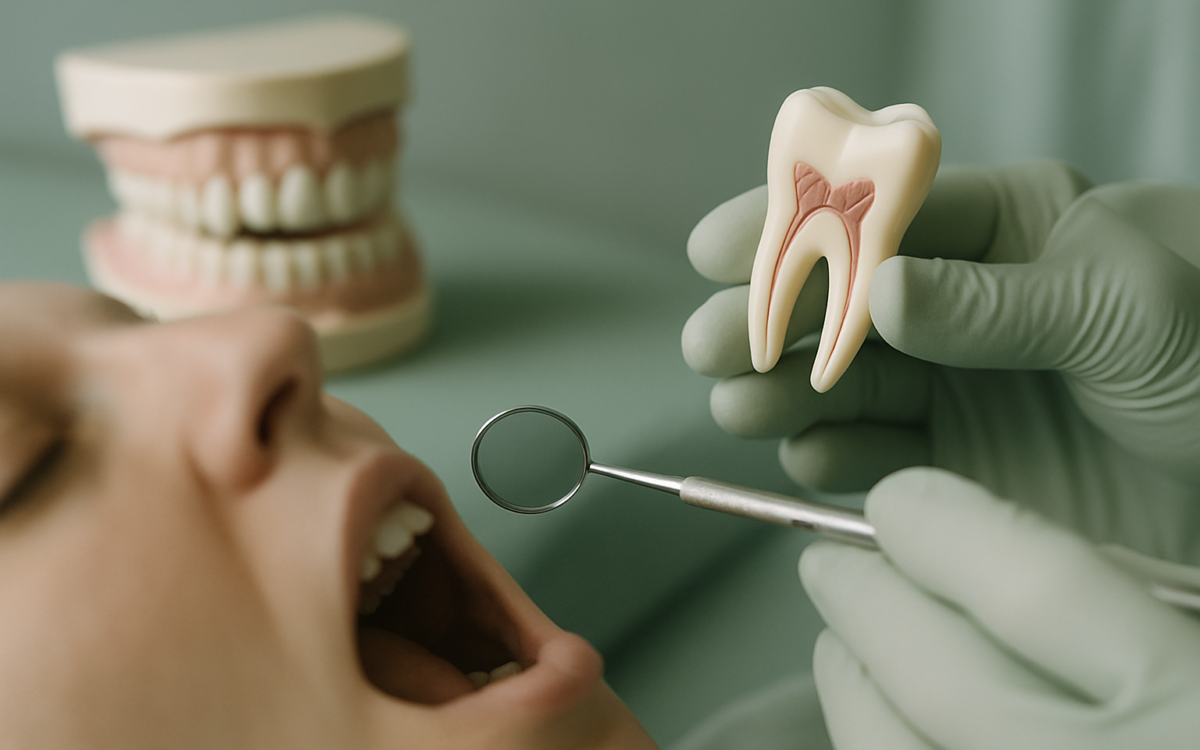
Wisdom teeth, also known as third molars, often become a topic of concern and curiosity. As we grow into adulthood, many of us face the potential of having these teeth removed. This leads to the question: can wisdom teeth regrow once they are removed? Understanding the nature of wisdom teeth and their lifecycle can shed light on this common dental issue.
Understanding Wisdom Teeth
Wisdom teeth generally emerge in late adolescence or early adulthood, usually between the ages of 17 and 25. For many people, these teeth do not have enough space to grow properly in the jaw, leading to a host of dental issues. As a result, many individuals end up having them extracted.
The Anatomy of Wisdom Teeth
Humans typically have four wisdom teeth, located at the back of the mouth. However, some people may have fewer or none at all due to genetic variations. The anatomy of wisdom teeth is similar to other molars; they have roots that anchor them into the jaw. Once removed, these roots are also taken out, which brings us back to the question of regrowth.
Can Wisdom Teeth Regrow?
The simple answer is no; wisdom teeth cannot regrow once they have been extracted. Once the tooth, including its roots, is completely removed, the body does not have the ability to regenerate new teeth in that space. This understanding is based on biological principles that govern tooth development.
Tooth regeneration typically occurs in younger individuals, like children and adolescents, as they lose primary teeth and develop secondary teeth. However, this regenerative process does not apply once those permanent teeth have been formed and removed.
Why Are Wisdom Teeth Removed?
There are several reasons why wisdom teeth are often extracted:
- Impaction: Many individuals have jaws that are too small to accommodate wisdom teeth, leading to impaction where the tooth fails to emerge completely, causing pain and infection.
- Misalignment: If wisdom teeth come in at an angle or push against other teeth, they can disrupt alignment, affecting overall dental health.
- Cavities and gum disease: Wisdom teeth are located at the back of the mouth, making them difficult to clean effectively. This often leads to cavities or gum disease, necessitating removal.
Myths About Wisdom Tooth Regrowth
Despite the scientific consensus, various myths circulate about wisdom teeth:
- Regrowth after removal: Some people believe that since we have multiple sets of teeth throughout our lives, wisdom teeth will eventually regrow. This is not true; once the roots are taken out, they do not grow back.
- Some people retain their wisdom teeth without issues: While it’s true that some individuals may keep their wisdom teeth into adulthood without complications, this does not mean that they can regrow.
- Wisdom teeth are unnecessary: Some argue that wisdom teeth are merely vestigial (having lost most or all of their original function); however, they were useful for our ancestors who chewed a rougher diet.
Post-Extraction Care and Healing
After wisdom teeth removal, proper care is crucial for a smooth recovery. Here are some tips to follow:
- Follow your dentist’s post-operative instructions diligently.
- Keep the extraction site clean but avoid vigorous rinsing for the first 24 hours.
- Manage pain and swelling with prescribed medications or recommended over-the-counter pain relief.
- Opt for soft foods and increase fluid intake to aid recovery.
When to See a Doctor
If you experience excessive pain, swelling, or signs of infection, such as fever or discharge from the extraction site, it’s vital to contact your dentist or oral surgeon. They can assess the situation and provide guidance on what to do next.
Conclusion
In summary, wisdom teeth cannot regrow once removed due to the biological structure of teeth and the maturation process of the jaw. Understanding why wisdom teeth are often extracted and keeping informed about post-operative care can empower you to make better decisions about your dental health. Always consult your dental professional for guidance tailored to your specific situation.
