
Losing a tooth can be a challenging experience, both physically and emotionally. It can affect not just your smile but also your chewing ability and overall confidence. Fortunately, modern dentistry offers a range of solutions to help restore your smile and maintain oral health. Understanding these options can empower you to make informed decisions about your dental care.
Understanding Tooth Loss
Teeth can be lost for various reasons, including decay, gum disease, or injury. Chronic conditions such as diabetes or osteoarthritis can also contribute to tooth loss. Regardless of the cause, the absence of a tooth can lead to shifting of surrounding teeth, bite alignment issues, and even further tooth loss if left untreated. Therefore, finding an effective tooth replacement option is essential.
Types of Tooth Replacement Options
Here are the primary options available for replacing missing teeth:
1. Dental Implants
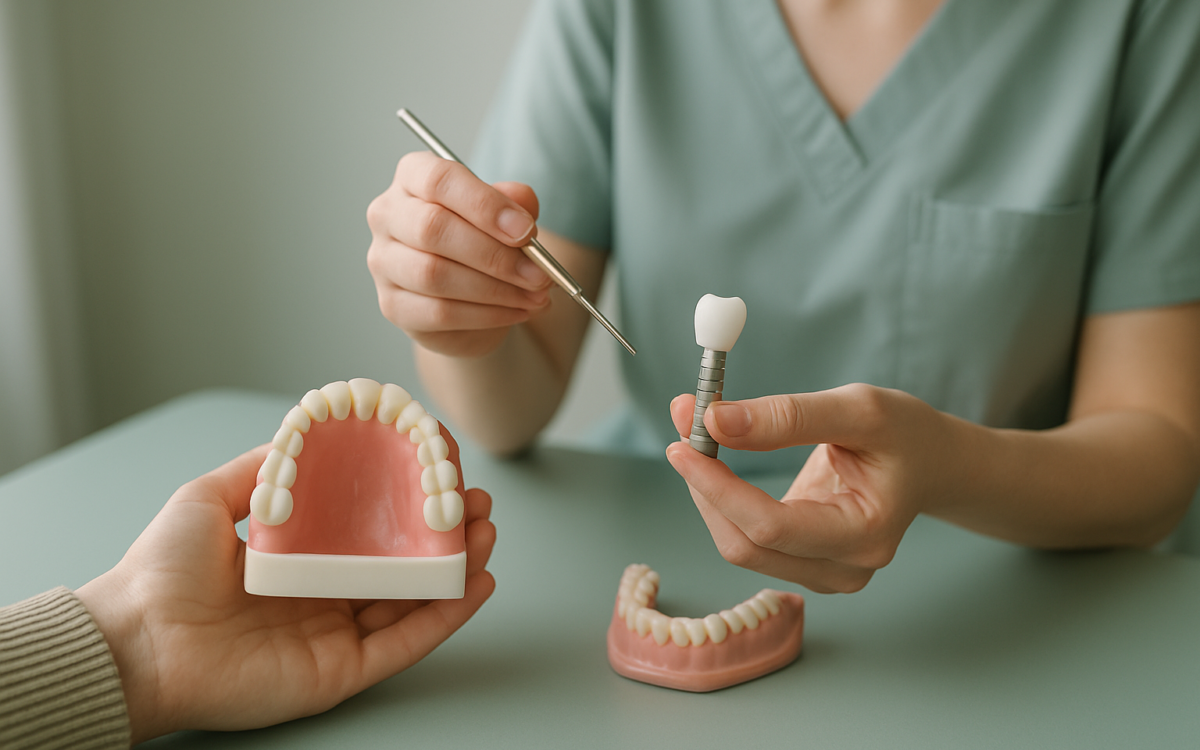
Dental implants are considered the gold standard for tooth replacement. An implant is a small titanium post that is surgically placed into the jawbone, where it acts as a root for a replacement tooth. After a healing period, a crown is placed on the implant, providing a natural-looking and functioning tooth. According to the Mayo Clinic, dental implants offer several benefits, including:
- Durability: They can last a lifetime with proper care.
- Bone Health: Implants help maintain jawbone density.
- Natural Appearance: They look and function like natural teeth.
However, implants require sufficient bone density and may involve a lengthy consultation and recovery process.
2. Dentures
Dentures are removable appliances designed to replace multiple teeth. They can be either complete (for all teeth) or partial (for some teeth). Dentures are often more affordable than implants and can be made quickly. They can greatly improve the quality of life for individuals with significant tooth loss. However, they may not feel as secure as fixed options like implants and can require regular adjustments. The National Institutes of Health emphasizes that proper care and maintenance can extend the life of dentures.
3. Dental Bridges
A dental bridge is a fixed solution that uses the surrounding teeth, or implants, as anchors to support a prosthetic tooth (or teeth). This option is suitable for those with one or two missing teeth where healthy adjacent teeth can be utilized. Bridges can restore function and aesthetics effectively. According to the CDC, bridges are typically made of porcelain or a combination of materials, providing a natural-looking appearance.
Considerations for Choosing a Tooth Replacement Option
Several factors can influence your decision regarding tooth replacement:
- Budget: Implants tend to be more expensive than dentures or bridges. Consider what fits your budget and potential insurance coverage.
- Bite Function: If chewing efficiency is a primary concern, dental implants or bridges may provide better function compared to dentures.
- Time Commitment: Implants require multiple appointments and a longer healing process, whereas dentures can often be provided in a shorter timeframe.
- Aesthetics: Consider how important the appearance of your replacement option is to you. Both implants and bridges closely mimic natural teeth.
Caring for Your Replaced Teeth
Whichever option you choose, maintaining oral hygiene is crucial for your overall dental health. Here are some tips for caring for your replaced teeth:
- Brush twice a day with a fluoride toothpaste.
- Floss daily to prevent plaque buildup around implants or bridges.
- Use a soft-bristled toothbrush, especially if you have sensitive gums.
- Visit your dentist regularly for check-ups and professional cleanings.
Additionally, follow any specific care instructions given by your dental professional for the best results.
Psychological Effects of Tooth Loss and Replacement
The impact of tooth loss goes beyond physical health—it can significantly affect self-esteem and social interactions. Losing a tooth may cause embarrassment or self-consciousness, leading to avoidance of social situations. This emotional burden can lead to mental health challenges, such as anxiety or depression. Fortunately, tooth replacement can help restore not just your smile but also your confidence. Many patients report feeling more self-assured and ready to engage socially after receiving a replacement. If you’re struggling emotionally with tooth loss, consider discussing these feelings with a healthcare professional.
When to See a Dentist
It’s essential to consult a dental professional if you experience:
- Severe tooth pain or discomfort
- Shifting teeth or changes in bite
- Gum bleeding or swelling
- Lost or damaged dentures, bridges, or implants
Regular dental check-ups can help identify issues early and keep your smile healthy.
Conclusion
Tooth replacement is a vital consideration for anyone dealing with tooth loss. With various options available—from dental implants to dentures and bridges—it’s crucial to choose the right one for your needs. Remember to consider factors such as budget, aesthetics, and oral health when making your choice. Don’t hesitate to reach out to a dental professional to discuss the best route for restoring your smile. Your journey towards better oral health begins with informed choices!
