
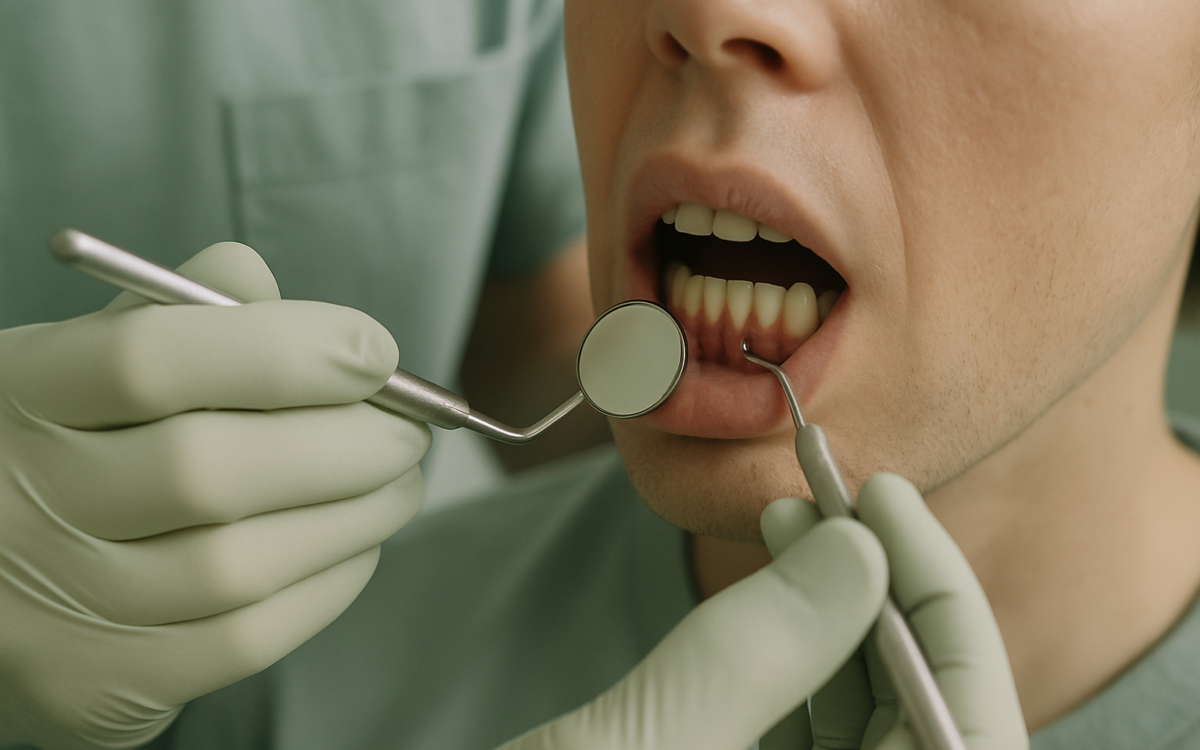
Gum disease, also known as periodontal disease, is a common condition that affects many adults. It often starts as gingivitis, which can cause swollen and bleeding gums. If left untreated, it can progress to periodontitis, leading to more severe damage. Fortunately, there are effective ways to reverse gum disease and restore your oral health.
Understanding gum disease
Before launching into how to reverse gum disease, it’s crucial to understand what it is. Gum disease begins when bacterial plaque builds up on your teeth, causing irritation in the surrounding gum tissue. Symptoms often include:
- Red, swollen, or tender gums
- Gums that bleed easily when brushing or flossing
- Persistent bad breath
- Receding gums or longer-looking teeth
- Loose teeth.
If you notice any of these signs, it is important to take action right away.
The role of effective oral hygiene
The first step in reversing gum disease is to practice effective oral hygiene. Proper brushing and flossing can significantly reduce plaque buildup and inflammation. Here’s how to do it:
Brushing your teeth
Brush your teeth at least twice a day with fluoride toothpaste. Use a soft-bristled toothbrush and aim for two minutes each time. Make sure to:
- Hold the toothbrush at a 45-degree angle to your gums.
- Move the brush gently back and forth in short (tooth-wide) strokes.
- Brush the outer, inner, and chewing surfaces of all teeth.
- Don’t forget to brush your tongue as well!
Flossing
Flossing is just as important as brushing. It removes plaque and food particles from between your teeth and under the gumline, where your toothbrush can’t reach. Make it a habit to floss at least once a day, ideally before bedtime.
Dental cleanings and professional care
Regular visits to your dentist are vital for reversing gum disease. Professional cleanings remove tartar that brushing and flossing cannot, and your dentist can also check for other underlying issues.
Deep cleaning
If your gum disease has progressed, you may require a deep cleaning, also known as scaling and root planing. This procedure involves:
- Using special tools to remove tartar from below the gumline.
- Smoothing the roots of your teeth to help your gums reattach.
- May be done under local anesthesia for comfort.
Deep cleaning can help restore your gums’ health and reduce the pockets that form due to gum disease.
Healthy lifestyle choices
Your lifestyle plays a significant role in your oral health. Here are some key choices you can make:
Nutrition
A balanced diet rich in vitamins and minerals supports gum health. Incorporate:
- Fruits and vegetables, particularly those high in vitamin C, such as oranges, strawberries, and broccoli. Vitamin C helps with collagen production, which is crucial for gum tissue.
- Dairy products for calcium, aiding in tooth and bone health.
- Whole grains, lean protein, and healthy fats for overall wellness.
Avoiding tobacco
If you smoke or use tobacco, quitting is one of the best things you can do for your gums. Tobacco use is linked to a higher risk of gum disease and can hinder healing. Seeking support can significantly improve your chances of success.
At-home remedies and adjunctive products
In addition to brushing, flossing, and regular dental visits, there are some at-home strategies and products that may help improve gum health:
Antimicrobial mouthwashes
Using an antimicrobial mouthwash can help reduce plaque, oral bacteria, and inflammation. Look for mouthwashes that contain chlorhexidine or cetylpyridinium chloride, which can effectively combat gingivitis.
Oils and natural remedies
Some people find that certain natural products, like tea tree oil or aloe vera, have soothing properties for swollen gums. However, be cautious, as these should not replace conventional treatment methods.
When to see a doctor
If you notice persistent symptoms of gum disease or if your gums bleed frequently, it’s essential to consult with a dentist or healthcare professional. They can assess the situation and recommend appropriate treatments that may include medications, deeper cleanings, or other interventions.
Conclusion
Reversing gum disease is achievable through diligent oral hygiene, regular dental care, a nutritious diet, and lifestyle modifications. By taking proactive steps, you can promote better gum health and enjoy a brighter smile. Remember, early detection and intervention are key in stopping gum disease in its tracks. Always consult with your dental care provider for personalized advice and treatment.
