
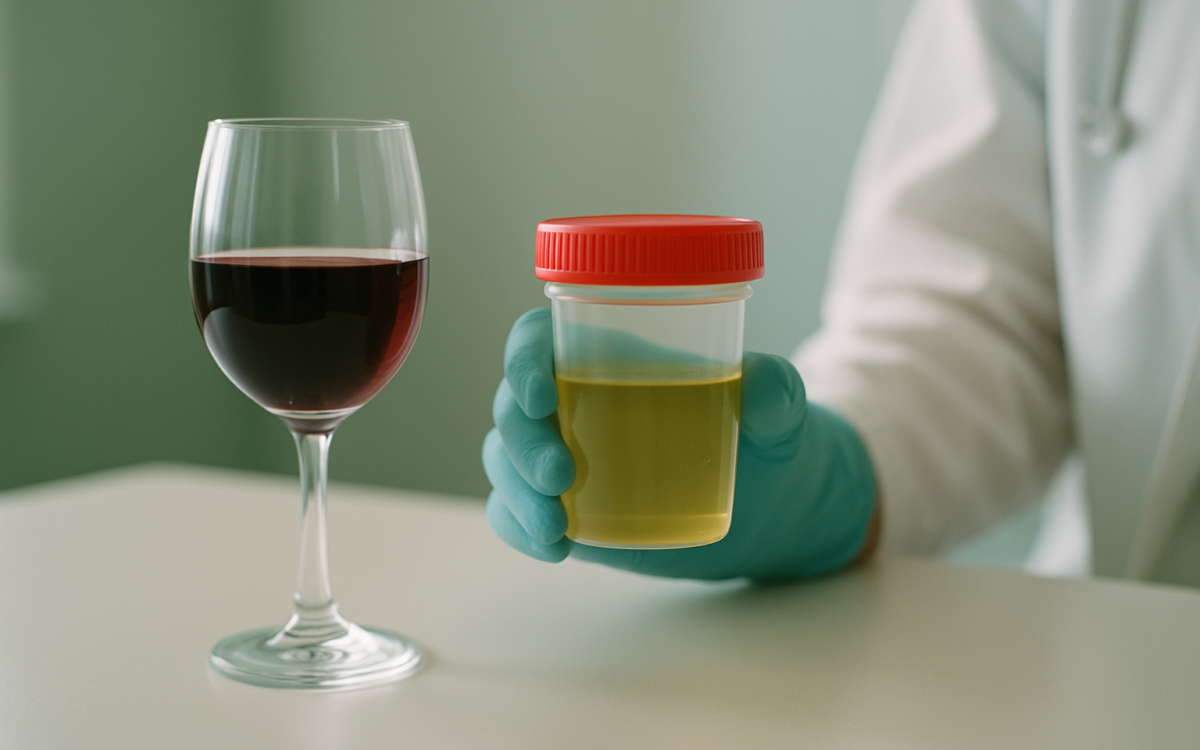
Alcohol is one of the most commonly consumed substances worldwide, and its effects can linger long after the last drink. Many people are curious about how long alcohol remains detectable in urine, whether for workplace testing, medical evaluations, or personal knowledge. Understanding this topic can help you navigate situations where alcohol consumption may be scrutinized.
How Alcohol is Metabolized in the Body
When you consume alcohol, your body begins to metabolize it almost immediately. The liver processes the alcohol, breaking it down into acetaldehyde, which is then further broken down into less harmful substances. This metabolic process doesn’t happen all at once and can vary significantly from person to person.
Urine Testing: How It Works
Urine tests are a common method for detecting alcohol consumption. These tests measure the presence of ethanol, the active ingredient in alcoholic beverages, as well as its metabolites. While alcohol itself can be detected quickly, it is the metabolites that can provide a clearer picture of when alcohol was consumed.
How Long is Alcohol Detectable in Urine?
The detection window for alcohol in urine can vary based on several factors:
- Time Frame: Typically, alcohol can be detected in urine for about 12 to 48 hours after consumption. However, in some cases, it can be detected for up to 80 hours, especially if high quantities were consumed or the test is using a more sensitive method.
- Metabolism Rate: Individual metabolic rates can differ due to factors such as age, sex, weight, and overall health. Someone with a faster metabolism might clear alcohol more quickly than someone with a slower rate.
- Quantity of Alcohol: The more alcohol consumed, the longer it stays in your system. Heavy drinkers might find that alcohol is detectable for longer periods compared to moderate drinkers.
- Hydration Levels: Being well-hydrated may aid in quicker elimination of alcohol from your system, while dehydration could slow the process.
Types of Urine Tests
There are different urine testing methods available, and they vary in sensitivity:
- Standard Urine Tests: These tests detect alcohol and its metabolites for a shorter period, usually up to 24 hours.
- EtG Testing: Ethyl glucuronide (EtG) testing is a more sensitive method that can detect alcohol use for up to 80 hours or more after consumption. This method looks for a byproduct of ethanol metabolism, making it a reliable indicator of recent alcohol intake.
International Context: Alcohol Testing and Treatments
In different cultures and countries, the implications of alcohol testing can vary significantly. For international patients seeking treatment options or assistance related to alcohol consumption, it’s essential to consider local regulations and available medical advice. Organizations like international patient services can offer guidance to those seeking treatment outside their home country, ensuring that patients receive appropriate care catered to their individual needs.
Legal and Employment Implications
Understanding alcohol detection times is critical, especially in legal or employment contexts. Many companies conduct random drug tests, and knowing how long alcohol remains detectable can help employees better navigate their work environment. Additionally, legal ramifications associated with driving under the influence can lead to serious consequences, including fines and loss of license.
When to See a Doctor
If you or someone you know is struggling with alcohol consumption, it may be time to seek professional help. Persistent or frequent drinking behavior can lead to a range of health issues, including addiction. Consulting with a healthcare provider can provide you with the support you need to make informed choices about alcohol use.
Conclusion
Understanding how long alcohol is detectable in urine can help you make informed decisions regarding alcohol consumption. Factors like metabolism, quantity consumed, and the type of testing can all play a role in detection times. If you have further questions about your alcohol consumption or testing, consulting a healthcare professional is always a good idea.
