
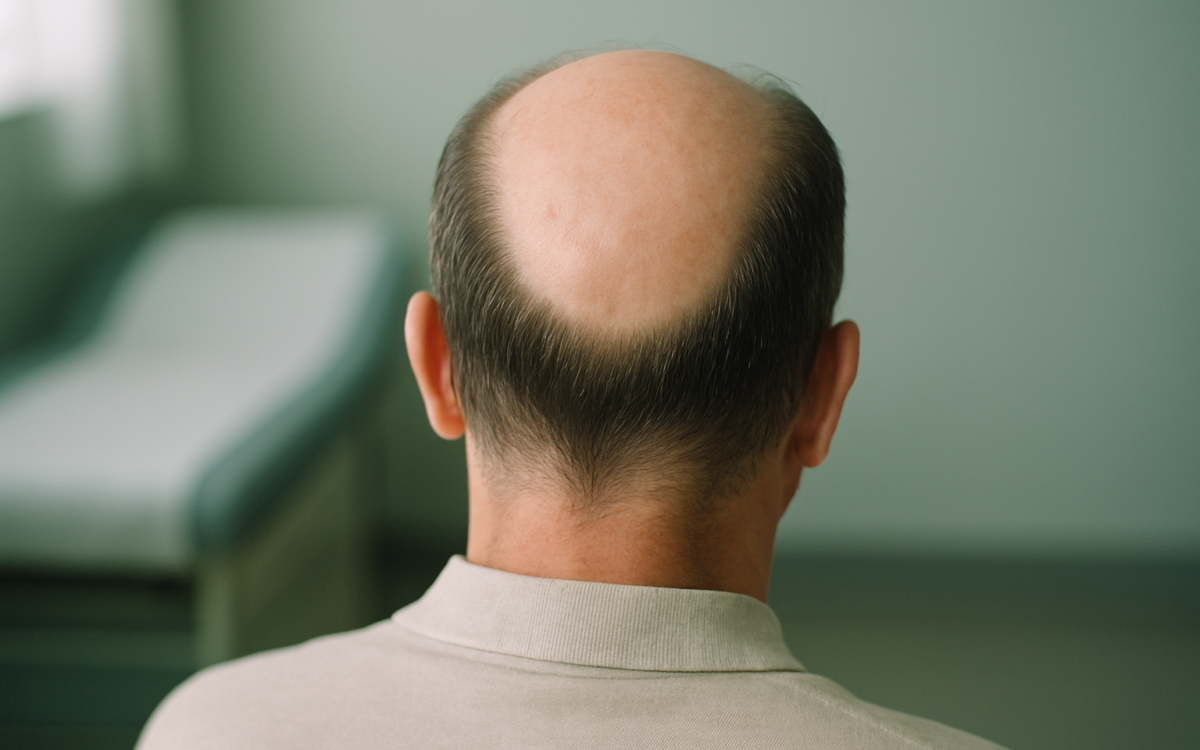
Alopecia pattern baldness, commonly known as androgenetic alopecia, is a form of hair loss that affects millions of individuals globally. For many, it can be a distressing experience as it alters one’s appearance and can impact self-esteem. Understanding what causes this condition and exploring available treatment options can help those affected navigate their choices.
What is alopecia pattern baldness?
Alopecia pattern baldness is a hereditary condition characterized by progressive hair thinning and loss. It typically follows a recognizable pattern. In men, hair loss often starts with a receding hairline and thinning at the crown, leading to partial or total baldness. Women, on the other hand, generally experience a more diffuse thinning across the crown while retaining their hairline.
Causes of alopecia pattern baldness
The primary cause of alopecia pattern baldness is genetic predisposition. If you have a family history of hair loss, you may be more likely to develop this condition yourself. The process is mainly driven by androgens, which are hormones that regulate various functions in the body, including hair growth.
Research shows that a specific androgen known as dihydrotestosterone (DHT) may play a significant role in hair follicle miniaturization. When DHT levels are elevated, it can shrink hair follicles, leading to thinner hair and, ultimately, hair loss over time. Factors that can influence or exacerbate hair loss include:
- Hormonal changes (e.g., during puberty, pregnancy, or menopause)
- Stress and anxiety
- Medical conditions such as thyroid disorders or autoimmune diseases
- Certain medications that may have hair loss as a side effect
Recognizing the signs
Understanding the early signs of alopecia pattern baldness is crucial for seeking timely interventions. Key indicators include:
- Thinning hair on the crown or at the hairline
- Wider parting in the hair
- Increased hair shedding during washing or combing
- Visible scalp through the hair
If you notice any of these signs, it doesn’t necessarily mean you will go bald, but it’s essential to monitor the changes.
Treatment options available
While there is no outright cure for alopecia pattern baldness, various treatment options can help manage and mitigate the condition. Here are the most common:
1. Medications
Two main medications are FDA-approved for treating hair loss:
- Minoxidil: Available over-the-counter, minoxidil is a topical solution or foam applied directly to the scalp. It can help stimulate hair growth and slow further loss. It is available in different strengths, and results can take several months to appear.
- Finasteride: This prescription oral medication works by inhibiting the conversion of testosterone to DHT, potentially slowing down hair loss. Like minoxidil, it may take time before noticeable results are seen.
2. Hair transplant surgeries
If you’re seeking a more permanent solution, hair transplant surgery may be an option. During this procedure, hair follicles are taken from areas of the scalp with dense hair (typically the back) and grafted into thinning or bald areas. This method can offer satisfactory results but may come with risks and costs that should be thoroughly considered.
3. Low-level laser therapy
Low-level laser therapy (LLLT) is a non-invasive treatment that uses laser light to stimulate hair follicles. Some studies suggest that LLLT can enhance hair density and improve the quality of hair but results may vary.
4. Lifestyle changes and home remedies
Adopting a healthy lifestyle may also support hair health. Consider the following:
- Eat a balanced diet rich in vitamins, minerals, and proteins.
- Reduce stress through activities such as yoga, meditation, or regular exercise.
- Avoid harsh hair treatments, such as excessive heat styling and chemical processing.
Though many home remedies claim to improve hair growth, scientific support for their effectiveness is often lacking, so exercise caution.
Living with alopecia pattern baldness
Coping with alopecia pattern baldness can be challenging, both emotionally and socially. Here are some tips to help manage the psychological impact:
- Stay informed: Understanding your condition and the options available can empower you.
- Connect with support groups: Sharing experiences with others who face similar challenges can help alleviate feelings of isolation.
- Consider professional help: If hair loss significantly affects your mood or self-esteem, talking to a therapist might be beneficial.
When to see a doctor
If you notice sudden or patchy hair loss, experience itching or discomfort on your scalp, or if hair loss is affecting your quality of life, it’s advisable to reach out to a healthcare provider. They can help determine the cause of your hair loss and discuss suitable treatment options.
Conclusion
Alopecia pattern baldness is a common condition that can affect one’s confidence, but numerous treatment options exist. While genetic factors play a significant role in this form of hair loss, understanding your choices and seeking support can make a difference. Always consult with a healthcare professional to explore the best course of action for your specific case and to maintain holistic well-being.
