
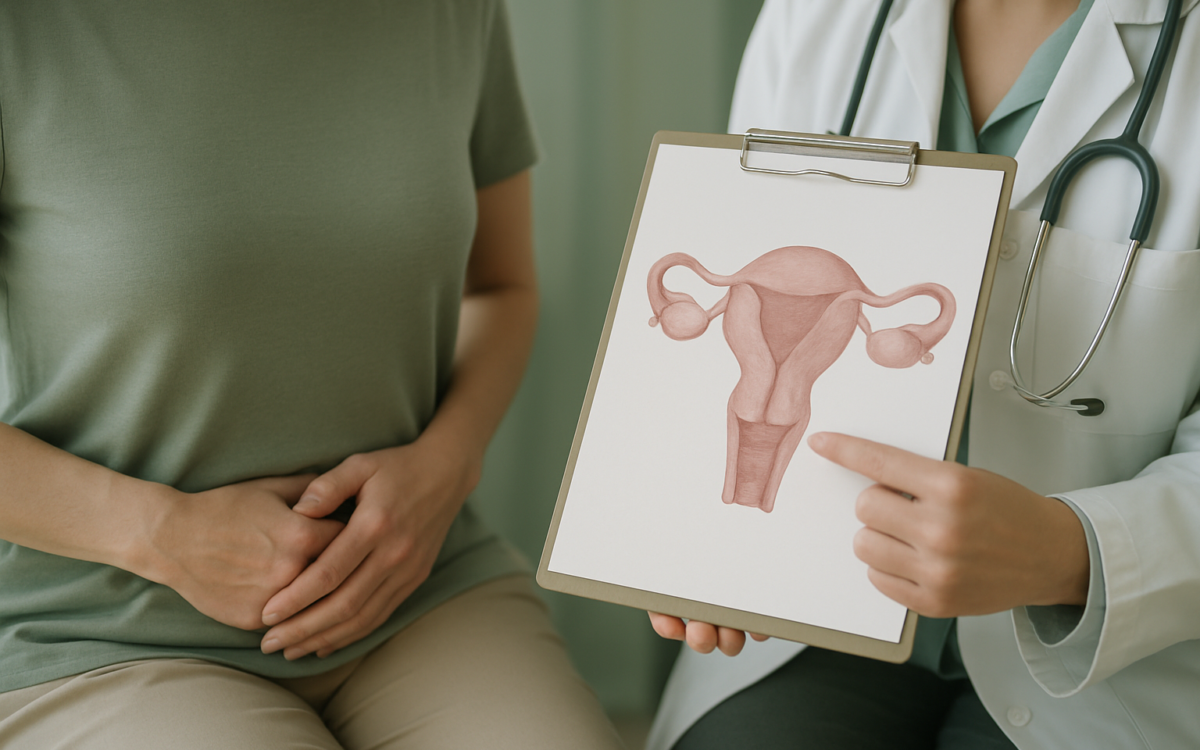
An enlarged uterus can be a source of concern for many women. It is a condition that may arise from various factors, including hormonal changes, growths, or underlying health conditions. Understanding the causes, symptoms, and appropriate management can help women navigate this condition more effectively.
What is an Enlarged Uterus?
The uterus, also known as the womb, is a muscular organ in a woman’s pelvis. When it expands beyond its normal size, it is referred to as an enlarged uterus. This condition can occur in women at any age but is most often observed during reproductive years.
Causes of an Enlarged Uterus
An enlarged uterus can result from various factors, each with its own underlying mechanism:
- Fibroids: These are noncancerous growths in the uterus made of muscle and fibrous tissue. They are common and can vary in size. Fibroids can cause the uterus to swell significantly and lead to complications like heavy menstrual bleeding.
- Adenomyosis: This occurs when the tissue that normally lines the uterus begins to grow into the muscle wall of the uterus. It can lead to swelling and discomfort, often presenting as painful or heavy periods.
- Pregnancy: During pregnancy, the uterus expands dramatically to accommodate the growing fetus. This is a natural and expected cause of uterine enlargement.
- Endometrial cancer: In rare cases, an enlarged uterus can indicate a more serious condition like endometrial cancer, especially if other symptoms are present.
- Hormonal imbalances: Conditions such as polycystic ovary syndrome (PCOS) can lead to hormonal changes that might cause uterine enlargement.
Common Symptoms Associated with an Enlarged Uterus
Women with an enlarged uterus may experience several symptoms, which can vary based on the underlying cause:
- Heavy menstrual bleeding: One of the most common symptoms, often resulting from fibroids or adenomyosis.
- Pelvic pain or discomfort: Pressure in the pelvis may occur, making activities like sitting or walking uncomfortable.
- Frequent urination: As the enlarged uterus presses on the bladder, it can lead to a more frequent urge to urinate.
- Difficulty emptying the bladder: Some women report trouble with complete bladder emptying due to pressure from the enlarged uterus.
- Changes in bowel habits: A large uterus can also affect bowel function, leading to constipation or changes in bowel habits.
These symptoms can significantly impact a woman’s quality of life, making understanding and management crucial.
Diagnostic Process
If a woman suspects she has an enlarged uterus or is experiencing related symptoms, consulting a healthcare provider is essential for diagnosis and management. The diagnostic process may include:
- Medical history: The doctor will inquire about menstrual cycles, symptoms, and any family history of uterine issues.
- Physical examination: A pelvic exam may help the doctor assess the size and shape of the uterus.
- Imaging tests: Ultrasound is commonly used to visualize the uterus and detect fibroids or other abnormalities. MRI may also be used for detailed imaging.
- Biopsy: In some cases, a biopsy may be needed to rule out cancer or other serious conditions.
Treatment Options for an Enlarged Uterus
The treatment for an enlarged uterus depends on the underlying cause, the severity of symptoms, and the woman’s overall health. Options may include:
- Watchful waiting: If the enlarged uterus is not causing significant symptoms, doctors might recommend monitoring the condition before taking further action.
- Medications: Hormonal therapies or medications for pain relief may alleviate symptoms. Birth control pills, for example, can help regulate heavy bleeding.
- Non-invasive procedures: Uterine artery embolization or MRI-guided focused ultrasound are options for reducing fibroid size without surgery.
- Surgery: In more severe cases, surgical options may include myomectomy (removal of fibroids) or hysterectomy (removal of the uterus) if necessary.
Each treatment option has its benefits and risks, so discussing them with a healthcare provider is crucial to determine the best course of action.
Living with an Enlarged Uterus
For many women, managing an enlarged uterus can mean adjusting lifestyle choices and seeking support. Some helpful considerations may include:
- Regular exercise: Staying active can help manage some symptoms and improve overall well-being.
- Healthy diet: A balanced diet rich in fruits, vegetables, and whole grains may help manage weight and hormonal balance.
- Support groups: Connecting with other women experiencing similar issues can offer emotional support and practical advice.
- Continued medical follow-ups: Regular check-ups with a healthcare provider can help monitor the condition and adjust treatment as necessary.
When to See a Doctor
Women should seek medical attention if they experience:
- Severe pelvic pain
- Heavy bleeding that soaks through one or more sanitary products every hour
- Enlargement of the abdomen
- Severe pressure symptoms affecting daily activities
- New, unexpected changes in menstrual cycle
These symptoms could indicate a more serious condition that requires immediate medical evaluation.
Understanding an enlarged uterus and its implications can empower women to seek the appropriate help. With the right information and medical guidance, many women find effective ways to manage their symptoms and maintain a healthy, active lifestyle.
