
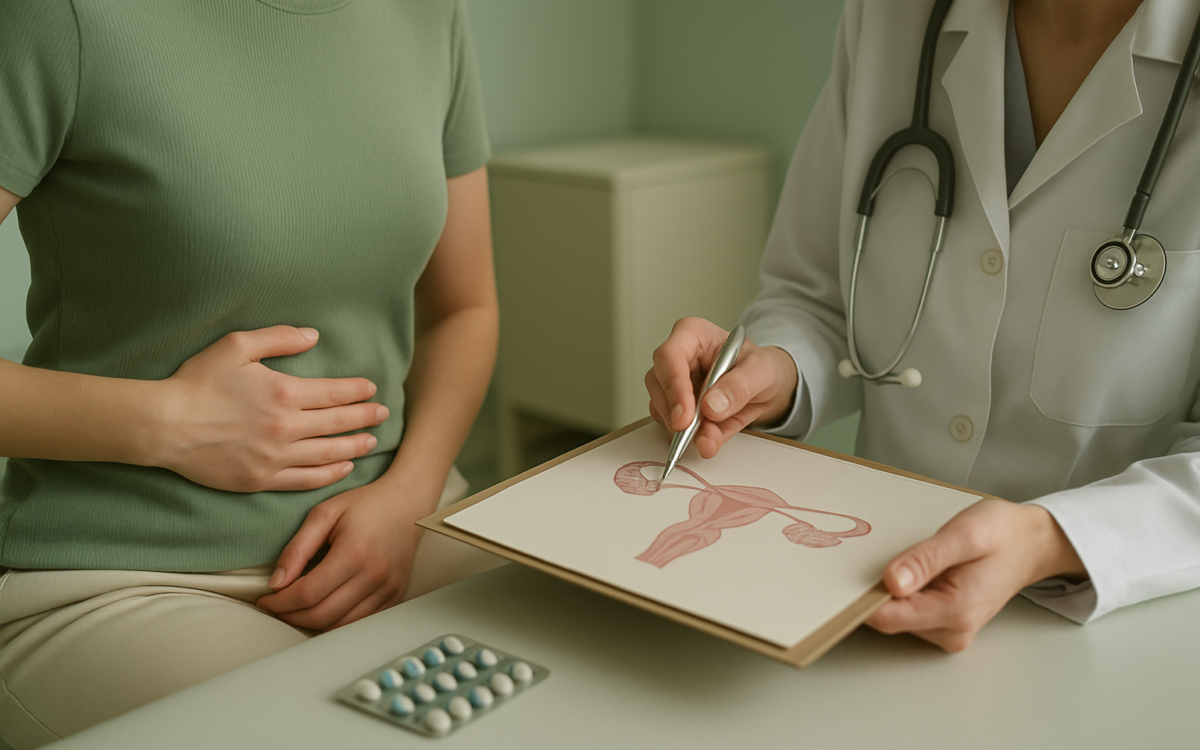
Polycystic Ovarian Disease (PCOD), often referred to as Polycystic Ovary Syndrome (PCOS), is a common hormonal disorder affecting people with ovaries. It can lead to various health issues, including irregular menstrual cycles, weight gain, and fertility challenges. While there is no one-size-fits-all cure, understanding the condition and exploring options for treatment can empower those affected to manage their symptoms more effectively.
What is Polycystic Ovarian Disease?
PCOD is characterized by hormonal imbalances that can cause multiple cysts to form on the ovaries. Hormones called androgens, which are more abundant in males but also present in females, can affect the menstrual cycle and lead to symptoms like acne, excessive hair growth, and weight gain. According to the National Institutes of Health, symptoms vary widely from person to person, making diagnosis sometimes challenging.
Identifying Symptoms
Common symptoms of PCOD include:
- Irregular or missed periods
- Excess body hair (hirsutism)
- Acne and oily skin
- Thinning hair on the scalp
- Weight gain or difficulty losing weight
If you notice these symptoms, it’s essential to consult your healthcare provider for an accurate diagnosis and to discuss potential management strategies.
Lifestyle Changes for Management
Adjusting your lifestyle can significantly impact the management of PCOD. Here are some tips to consider:
Healthy Eating
Adopting a balanced diet rich in whole foods can help regulate insulin levels and manage weight. Consider including:
- Fruits and vegetables
- Whole grains
- Lean proteins
- Healthy fats like avocados and nuts
Avoiding processed foods, sugar, and refined carbohydrates can also help maintain hormonal balance.
Regular Exercise
Engaging in regular physical activity can assist with weight management and improve insulin sensitivity. A combination of aerobic exercises, such as walking or cycling, and strength training can be particularly beneficial.
Medical Treatments
In some cases, lifestyle changes may not be enough to manage PCOD symptoms. Here are some medical treatment options that your healthcare provider may suggest:
Hormonal Birth Control
Hormonal contraceptives, including birth control pills, can help regulate menstrual cycles and reduce symptoms such as hirsutism and acne. These medications work by balancing hormone levels and preventing the ovarian cysts from forming.
Insulin Sensitizers
Medications like Metformin can help improve insulin sensitivity and may assist in weight management and menstrual regularity. This can also lower the risk of developing type 2 diabetes, which is more common among those with PCOD.
Fertility Treatments
If you are facing challenges with fertility, your doctor may recommend treatments such as ovulation induction agents or assisted reproductive technologies. Consulting with a fertility specialist can provide more tailored options.
Alternative and Holistic Approaches
Aside from medical treatments, some individuals find relief through alternative approaches:
Supplements
Certain supplements, such as inositol and omega-3 fatty acids, have shown promise in managing PCOD symptoms. Always consult your doctor before starting any new supplements to ensure they are safe for you.
Mindful Practices
Practices like yoga and meditation can help manage stress, which may adversely affect hormone levels. Regularly engaging in these activities can contribute to overall well-being.
When to See a Doctor
It’s essential to seek medical advice if you experience symptoms of PCOD or have concerns about your menstrual health. Early intervention can help manage symptoms and reduce the risk of complications, such as diabetes or heart disease. Always consult your healthcare provider before making changes to your treatment or lifestyle.
Polycystic Ovarian Disease is a manageable condition, and understanding the various treatment options available can help individuals lead healthier lives. Whether through lifestyle changes, medical treatments, or alternative methods, there are various paths to finding relief and balance.
