
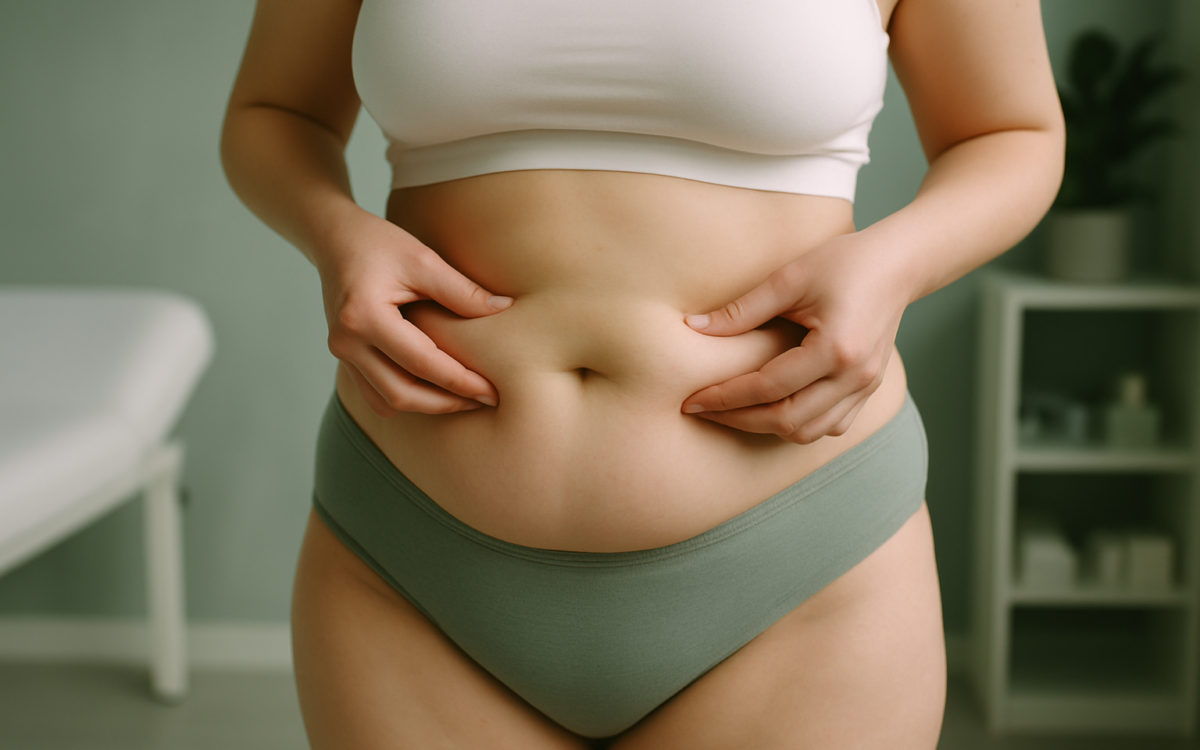
If you’ve noticed a bit of extra tissue in your lower abdomen that seems to hang over your pants, you may be familiar with the term FUPA, which stands for Fat Upper Pubic Area. While this term can be received with a lighthearted attitude, for many, this area can bring feelings of discomfort, embarrassment, or frustration. Understanding what causes FUPA and how to address it can help you feel more confident and comfortable in your body.
What Causes FUPA?
To effectively manage FUPA, it’s important to understand the potential causes behind it. FUPA can occur due to several factors:
- Weight Gain: Excess weight can accumulate in various parts of the body, including the lower abdomen.
- Genetics: Some individuals are genetically predisposed to store fat in certain areas.
- Hormonal Changes: Fluctuations in hormones, especially during puberty, pregnancy, and menopause, can impact fat distribution.
- Aging: As we age, metabolism slows down, and muscle tone may decrease, affecting body shape.
- Lack of Exercise: Sedentary lifestyles can contribute to weight gain and stubborn fat pockets.
Understanding these factors is the first step toward addressing FUPA effectively.
Healthy Eating Habits
Nutrition plays a critical role in managing body fat, including in the area known as FUPA. Here are some dietary tips to consider:
- Balanced Diet: Incorporate a variety of fruits, vegetables, whole grains, lean proteins, and healthy fats into your meals. Aim for a colorful plate to ensure a range of nutrients.
- Portion Control: Monitoring meal sizes can help with weight management. Listening to your body’s hunger cues is essential.
- Hydration: Drinking enough water can aid digestion and reduce bloating, which may contribute to the appearance of FUPA.
- Avoid Processed Foods: Minimize high-sugar and high-fat foods, which can lead to weight gain.
By focusing on nutrition, you can create a healthier eating pattern that supports weight management.
Exercise and Physical Activity
Regular physical activity is vital for reducing overall body fat and can help target areas prone to stubborn fat. Here’s how you can start:
- Aerobic Exercise: Activities like brisk walking, running, cycling, and swimming can help burn calories and fat.
- Strength Training: Building muscle through weight lifting or bodyweight exercises can increase your resting metabolic rate, helping you burn more calories at rest.
- Focus on Core Strength: Although spot reduction isn’t typically effective, strengthening your core can improve muscle tone in the abdominal area. Consider including exercises like planks or leg raises.
The key is to find activities you enjoy and will stick with over time. Consistency is vital in seeing results.
Body Positivity and Mental Health
Addressing the emotional aspects of dealing with FUPA is just as important as physical changes. Maintaining a positive self-image can help:
- Practice Self-Compassion: Understand that bodies come in all shapes and sizes. Be kind to yourself regardless of your current situation.
- Seek Support: Connecting with supportive friends or communities can provide encouragement and reduce feelings of isolation.
- Avoid Comparisons: Social media can create unrealistic standards. Focus on your journey rather than comparing yourself to others.
Remember that personal wellness is about more than appearance; it also includes mental and emotional well-being.
Cosmetic Options for FUPA
For those looking for more immediate results, cosmetic procedures are also an option. Here are some common approaches:
- Liposuction: This surgical procedure can remove fat from specific areas of the body, including the FUPA.
- Tummy Tucks: Abdominoplasty is a surgical option that removes excess skin and fat, providing a tighter abdominal appearance.
- Non-Surgical Options: Treatments such as CoolSculpting or ultrasound can target fat without surgery and may offer some benefits with less recovery time.
Before pursuing any cosmetic procedure, it’s crucial to consult with a qualified healthcare provider to discuss the potential risks and benefits, as well as your individual health needs.
When to See a Doctor
If you’re concerned about FUPA or your body’s appearance, it may be helpful to speak with a healthcare professional. You should consider an appointment if:
- You experience discomfort or pain in the abdominal area.
- You are struggling with body image issues that affect your mental health.
- You have underlying health conditions that may be impacting your ability to lose weight.
Only a doctor can provide personalized advice tailored to your unique health situation.
In conclusion, addressing FUPA involves a combination of understanding its causes, adopting healthy eating habits, engaging in regular exercise, and cultivating a positive self-image. Embracing a holistic approach not only assists in managing this specific concern but also contributes to overall well-being. Remember to consult with healthcare professionals for advice that is appropriate for you, and be gentle with yourself on this journey.
