
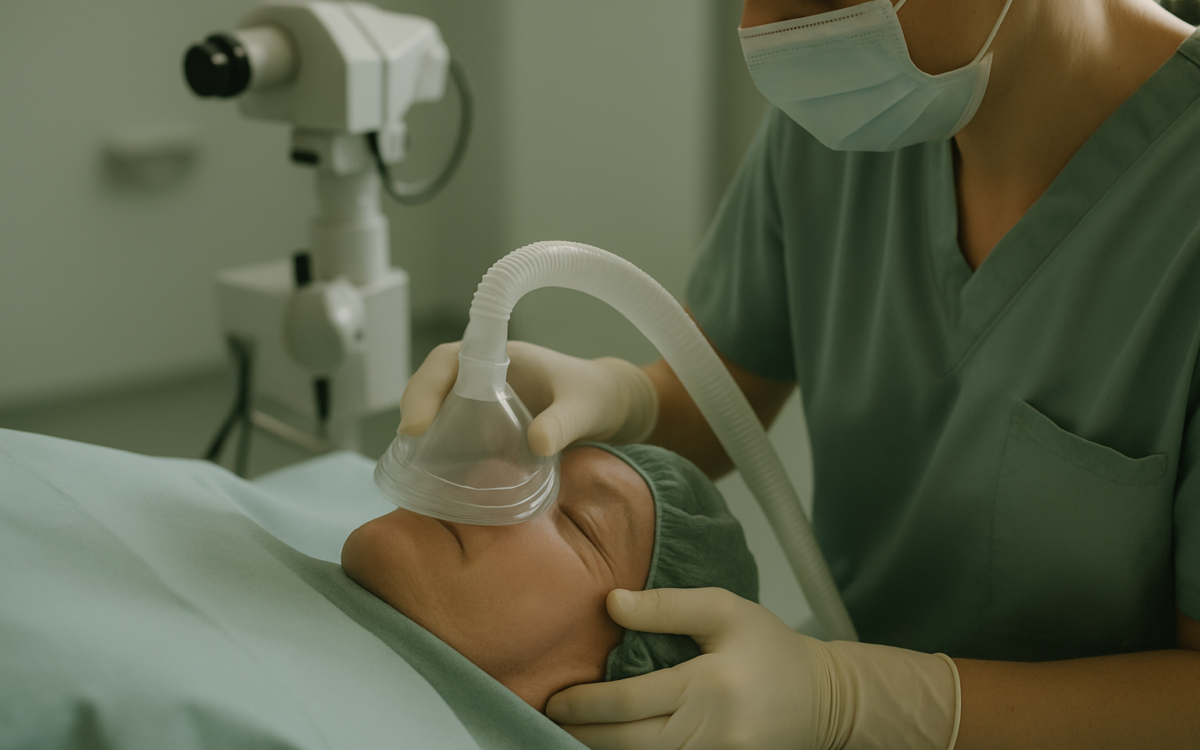
Cataract surgery is one of the most common surgical procedures performed today, with millions of people undergoing the operation each year to improve their vision. One of the most common questions patients have is about anesthesia: will they be put to sleep during the procedure? Understanding the different types of anesthesia used can help ease your mind and prepare you for this important step in restoring your eyesight.
What is Cataract Surgery?
Cataract surgery is performed to remove the cloudy lens of the eye, which affects vision, and replace it with an artificial lens. This outpatient procedure is typically quick, lasting about 15 to 30 minutes, depending on the complexity of the case. While the thought of undergoing eye surgery might seem daunting, cataract surgery is well-tolerated by most patients.
The Role of Anesthesia
When it comes to anesthesia for cataract surgery, most patients do not require full general anesthesia, which is when you are completely unconscious. Instead, cataract procedures generally use either local anesthesia or sedation, allowing you to remain awake but comfortable.
Types of Anesthesia Used in Cataract Surgery
- Local Anesthesia: This type of anesthesia numbs the specific area of the eye where the surgery is performed. An anesthetic eye drop is usually applied to ensure that you do not feel any pain during the procedure. The goal is to make you comfortable while you are awake. Many patients find this approach preferable, as it allows them to be aware of their surroundings.
- IV Sedation: In some cases, particularly for patients with anxiety about the procedure, slight sedation may be offered through an intravenous (IV) line. This helps relieve anxiety and promotes relaxation. You will still be conscious but may feel drowsy and more at ease. It’s important to note that even with IV sedation, you won’t be fully asleep.
- General Anesthesia: General anesthesia is rarely used for cataract surgery. Although some patients might need it due to certain health conditions or special considerations, it is generally avoided because the procedure is quick and can be performed safely with local anesthesia and sedation.
What to Expect on the Day of Your Surgery
On the day of your surgery, you will be given instructions on what to do before arriving at the clinic or hospital. It’s essential to discuss your specific anesthesia options with your healthcare provider beforehand. They will explain what you can expect, review your medical history, and answer any questions you may have.
Preparation Steps
Preparation may include fasting for a few hours before the surgery, as well as arranging transportation to and from the facility. Because of the sedation process, you won’t be able to drive yourself home afterward.
The Procedure
During the surgery, your surgeon will use specialized equipment to remove the cataract and insert a new, clear lens into your eye. Throughout the procedure, your medical team will monitor your comfort and reassure you. Most patients report feeling pressure rather than pain, and the procedure is typically completed very quickly.
Recovery and Aftercare
Recovery from cataract surgery is generally swift. You may experience some discomfort, blurry vision, or sensitivity to light during the first few days. Your doctor will provide instructions on caring for your eyes and managing any symptoms. Follow-up appointments will be scheduled to ensure the healing process is on track.
When to See a Doctor
If you experience any unusual pain, persistent vision changes, or signs of infection such as increased redness or discharge, it’s essential to reach out to your eye doctor. Monitoring your recovery and adhering to prescribed aftercare can help ensure the best outcomes following cataract surgery.
Conclusion
Cataract surgery is a routine procedure that can significantly improve your quality of life. Understanding the anesthesia options can help demystify the process and make you feel more comfortable. Remember to discuss your concerns and preferences with your healthcare team, as they are there to support you every step of the way. For more information on cataract surgery and recovery, you can visit trusted sources like the Mayo Clinic or the National Institutes of Health.
