
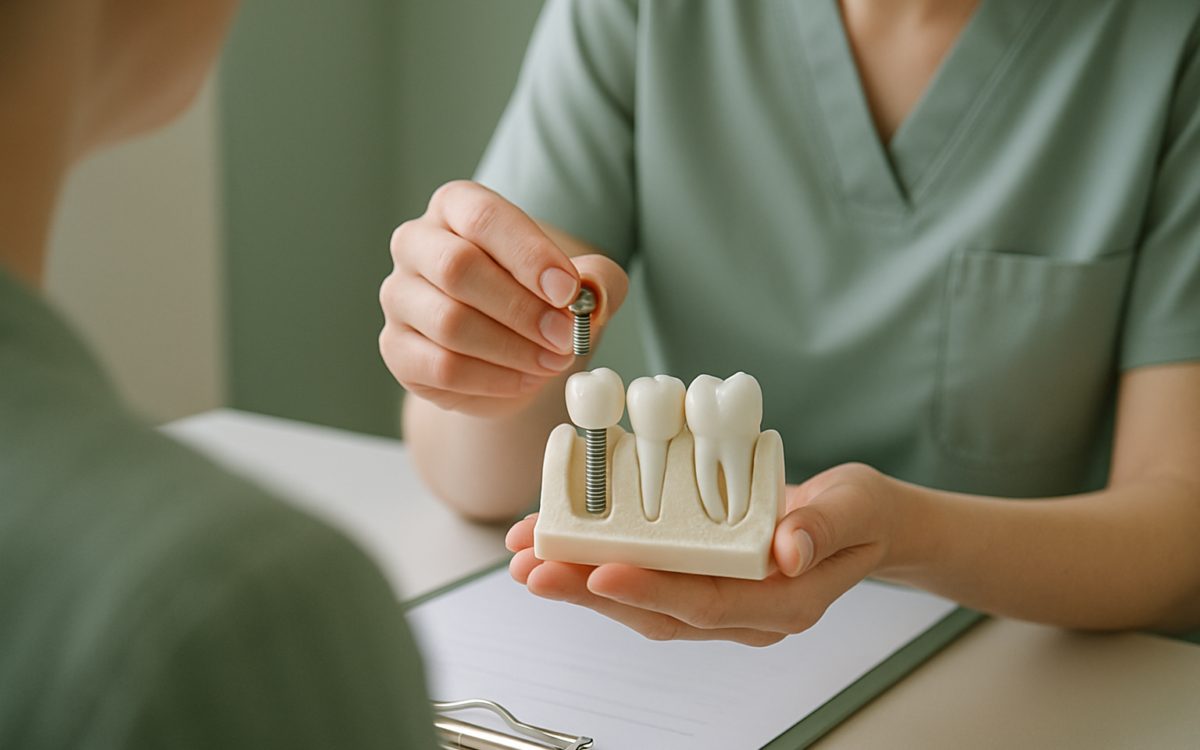
When it comes to replacing missing teeth, dental implants have become a popular choice for many. Among the options available, Aspen Dental implants have drawn attention for their accessible approach to tooth replacement. In this article, we’ll delve into what Aspen dental implants involve, their benefits, the procedure, and how to care for them.
What Are Dental Implants?
Dental implants are artificial tooth roots placed into the jawbone to support replacement teeth or bridges. Typically made from titanium, they fuse with the jawbone through a process called osseointegration. This provides a sturdy foundation for dental crowns, ensuring a natural look and feel.
Why Choose Aspen Dental Implants?
Aspen Dental is known for delivering a variety of dental services, including dental implants. Here are some reasons why you might consider Aspen dental implants:
- Affordability: Aspen Dental typically offers competitive pricing and financing options compared to other dental practices.
- Comprehensive Care: Many Aspen Dental locations provide a full suite of dental services, often making it easier for patients to receive all their dental care under one roof.
- Experienced Team: Aspen Dental employs skilled professionals who specialize in various fields of dentistry, including implantology, ensuring quality care.
Understanding the Dental Implant Procedure
The process of getting dental implants usually involves several key steps:
Initial Consultation
The first step is a thorough evaluation of your dental health. A dentist will assess your mouth, take X-rays, and discuss your medical history to ensure you are a good candidate for dental implants.
Implant Placement
Once you’re approved for the procedure, the dentist will surgically place the titanium implant into your jawbone. This procedure typically requires local anesthesia or sedation to keep you comfortable.
Healing and Integration
After the implant is placed, there’s a healing period of several weeks to months. During this time, the implant will bond with the bone. This is crucial for ensuring the implant is stable and secure.
Abutment Placement
Once healed, a small connector called an abutment is attached to the implant. This will hold the crown in place.
Crown Placement
Finally, a custom-made crown is secured to the abutment, completing the dental implant process. The crown is designed to match your natural teeth for a seamless look.
What to Expect After the Procedure
The recovery period varies by individual, but it generally includes some swelling and discomfort for a few days. Pain management can be handled with over-the-counter medications, but follow your dentist’s guidance on what’s best for you. Regular follow-ups will ensure everything is healing properly.
How to Care for Your Dental Implants
<pProper care is essential to the longevity of your dental implants:
- Oral Hygiene: Maintain a regular brushing and flossing routine to keep your implants and surrounding gums healthy.
- Regular Check-Ups: Visit your dentist for regular cleanings and check-ups to monitor the health of your implants.
- Avoid Hard Foods: While dental implants are durable, it’s best to avoid very hard foods that could potentially damage them.
Potential Risks and Complications
Like any medical procedure, dental implants come with their risks. Some potential complications include:
– Infection at the implant site
– Nerve damage
– Sinus issues (in the case of upper jaw implants)
It’s crucial to discuss these risks with your dentist before undergoing the procedure to make an informed decision.
When to See a Doctor
If you experience excessive pain, swelling, or signs of infection (such as fever or drainage from the implant site), reach out to your dentist immediately. Early intervention can prevent more serious issues.
Conclusion
Aspen dental implants can be a transformative solution for individuals seeking to restore their smiles after tooth loss. With their advantages, including affordability and comprehensive care options, they represent a practical choice for many. If you’re considering dental implants, consult with a trusted professional to explore your options and ensure the best outcome for your oral health.
For more information about dental implants and overall oral health, you can visit the Mayo Clinic and the National Institutes of Health.
