
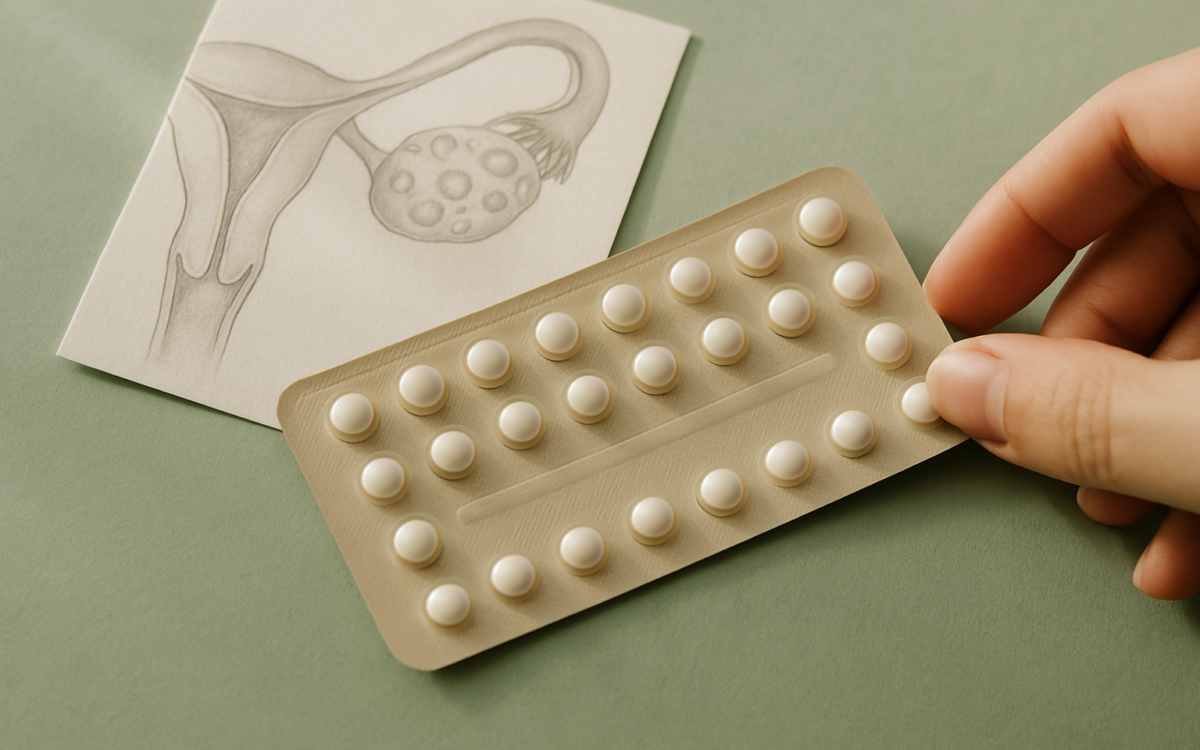
Polycystic Ovary Syndrome (PCOS) is a condition affecting many women and can lead to various health issues such as irregular menstrual cycles, weight gain, and fertility challenges. Thankfully, managing PCOS is possible, and one effective method many doctors recommend is the use of birth control pills.
What is PCOS?
PCOS is a hormonal disorder that affects how the ovaries function. Women with PCOS may have an imbalance of hormones, leading to problems like insulin resistance, higher testosterone levels, and irregular periods. According to the NIH, PCOS affects around 6% to 12% of women of reproductive age.
How Do Birth Control Pills Help?
Birth control pills contain hormones that can help regulate the menstrual cycle and provide several benefits for women with PCOS:
- Regulating Menstrual Cycles: Birth control pills help restore regular menstrual cycles, which can be irregular in women with PCOS.
- Reducing Androgen Levels: These pills can lower the levels of testosterone in the body, potentially reducing symptoms such as acne and excessive hair growth.
- Improving Fertility: For women who wish to conceive, regulating hormonal levels can improve fertility.
Types of Birth Control Pills
There are different types of hormonal birth control pills available, which include:
- Combination Pills: These contain both estrogen and progestin. They are the most common type prescribed for women with PCOS.
- Progestin-Only Pills: These contain only progestin and may be prescribed for women who cannot take estrogen.
Pill Usage and Effectiveness
Typically, birth control pills are taken daily to maintain hormonal balance. As with any medication, consistent use increases effectiveness. Women with PCOS should discuss their specific needs and any potential side effects with their healthcare provider. The Mayo Clinic reports that most women can start seeing improvements in their symptoms within a few months of beginning treatment.
Potential Side Effects
While many women benefit from birth control pills for managing PCOS, there can be side effects. These may include:
- Nausea or vomiting
- Headaches
- Weight gain
- Increased risk of blood clots
It’s crucial to discuss any concerns and potential side effects with a healthcare provider before beginning any new medication.
Beyond Birth Control Pills
While birth control pills can significantly improve symptoms of PCOS, they are not the only solution. A well-rounded approach might include:
- Healthy Diet: A balanced diet can help manage symptoms and aid in maintaining a healthy weight.
- Regular Exercise: Engaging in regular physical activity can improve insulin sensitivity and overall well-being.
- Medication for Insulin Resistance: Some women may also be prescribed medications to improve insulin sensitivity, which can help manage symptoms.
When to See a Doctor
If you suspect you might have PCOS or if you’re experiencing symptoms that could indicate hormonal imbalance, it’s essential to consult a healthcare provider. Symptoms like irregular menstrual cycles, excessive hair growth, or sudden weight gain are signals that it’s time for a discussion. Your doctor can help create a tailored treatment plan that includes birth control pills or explore other options.
In conclusion, birth control pills can be a valuable tool in managing PCOS. They help regulate menstrual cycles, decrease excess testosterone, and relieve distressing symptoms. Always consult with your healthcare provider to determine the best treatment path for your unique situation. For more detailed information on PCOS and its management, consider visiting the World Health Organization‘s website.
