
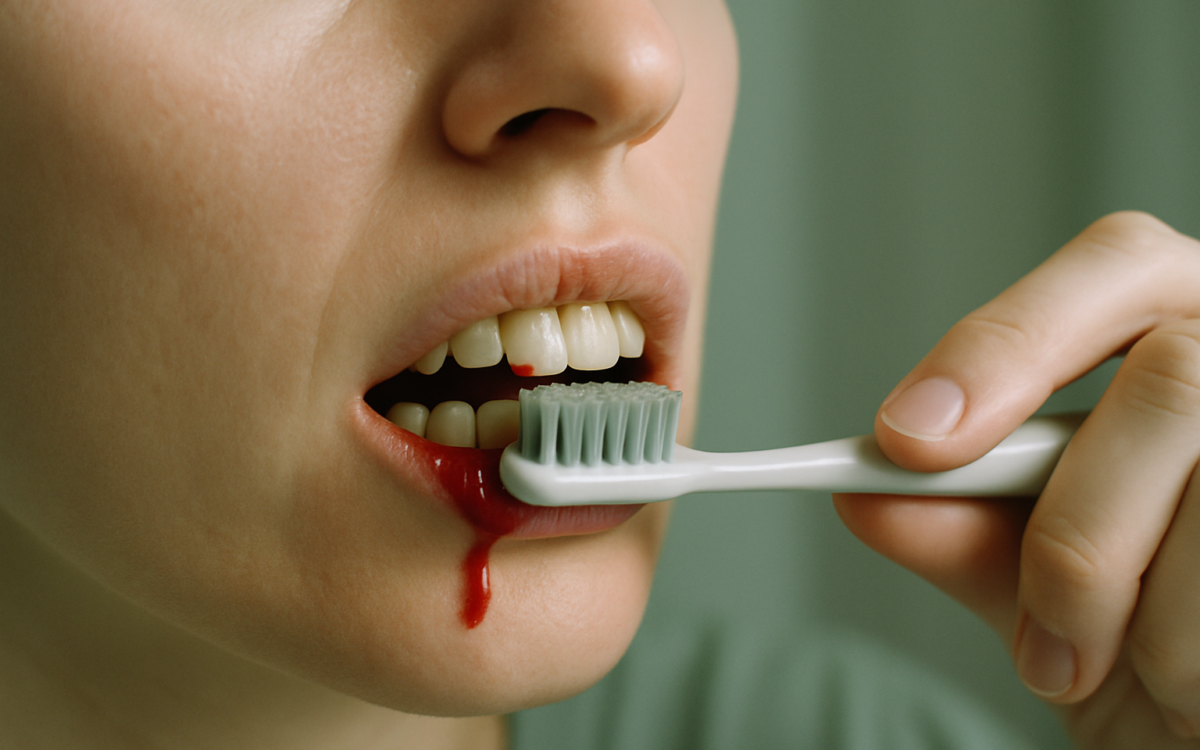
Noticing blood on your toothbrush after you brush your teeth can be alarming. While it’s common, it often signals an issue that needs attention. Understanding why your gums bleed can help you take the right steps towards better oral health.
Causes of Bleeding Gums
There are several reasons your gums might bleed when you brush. Here are the most common causes:
Poor Oral Hygiene
One of the primary reasons for bleeding gums is inadequate oral hygiene. If plaque—a sticky film of bacteria—is allowed to build up on the teeth, it can lead to inflammation of the gums, known as gingivitis. According to the National Institute of Dental and Craniofacial Research, gingivitis is a common and mild form of gum disease that is often reversible with improved oral care.
Gum Disease
If left untreated, gingivitis can progress to periodontitis, a more severe form of gum disease. Periodontitis can lead to gum separation from the teeth and potential tooth loss. Symptoms include persistent bad breath, swollen gums, and, yes, bleeding during brushing or flossing. The CDC notes that nearly half of adults over 30 have some form of gum disease.
Vitamin Deficiencies
Sometimes the cause of bleeding gums can be linked to a lack of essential vitamins in your diet. For example, vitamin C deficiency, known as scurvy, can lead to weakened blood vessels and bleeding gums. This is less common in well-nourished populations, but if your diet is lacking in fruits and vegetables, it could be a factor.
Brushing Technique
Your brushing technique can also impact your gum health. Brushing too hard or using a toothbrush with hard bristles can irritate your gums, leading to bleeding. It’s crucial to use a soft-bristled brush and to apply gentle pressure when brushing your teeth. The Mayo Clinic recommends brushing twice daily for optimal oral health but emphasizes the importance of technique.
Other Medical Conditions
In some cases, underlying health problems can contribute to bleeding gums. Conditions like diabetes, blood disorders, or hormonal changes (such as those experienced during pregnancy) can all affect gum health. If your gums bleed frequently, it might be worth discussing your overall health with a doctor or dentist.
Medications
Certain medications can increase the likelihood of gum bleeding. Blood thinners, for example, are designed to prevent clotting but can also lead to increased bleeding in the gums. Make sure to inform your dentist about any medications you’re taking.
How to Prevent Bleeding Gums
Preventing bleeding gums starts with good oral hygiene practices:
- Brush twice a day with a soft-bristled toothbrush.
- Floss daily to remove plaque and food particles between teeth.
- Use an antimicrobial mouthwash to help reduce plaque.
- Visit your dentist regularly for cleanings and check-ups.
- Maintain a balanced diet rich in vitamins and minerals.
When to See a Doctor
If you experience persistent bleeding while brushing that does not improve with improved oral care, it is essential to seek professional advice. It could be indicative of a more serious condition requiring attention. Schedule an appointment with your dentist to identify the underlying cause of the bleeding gums.
Conclusion
Bleeding gums when brushing your teeth is a red flag that should not be ignored. While it can stem from simple causes, such as poor oral hygiene, it might also point to more significant health issues. By understanding the potential reasons behind your gum bleeding and taking proactive steps toward better dental care, you can help ensure your gums remain healthy and free from discomfort.
