
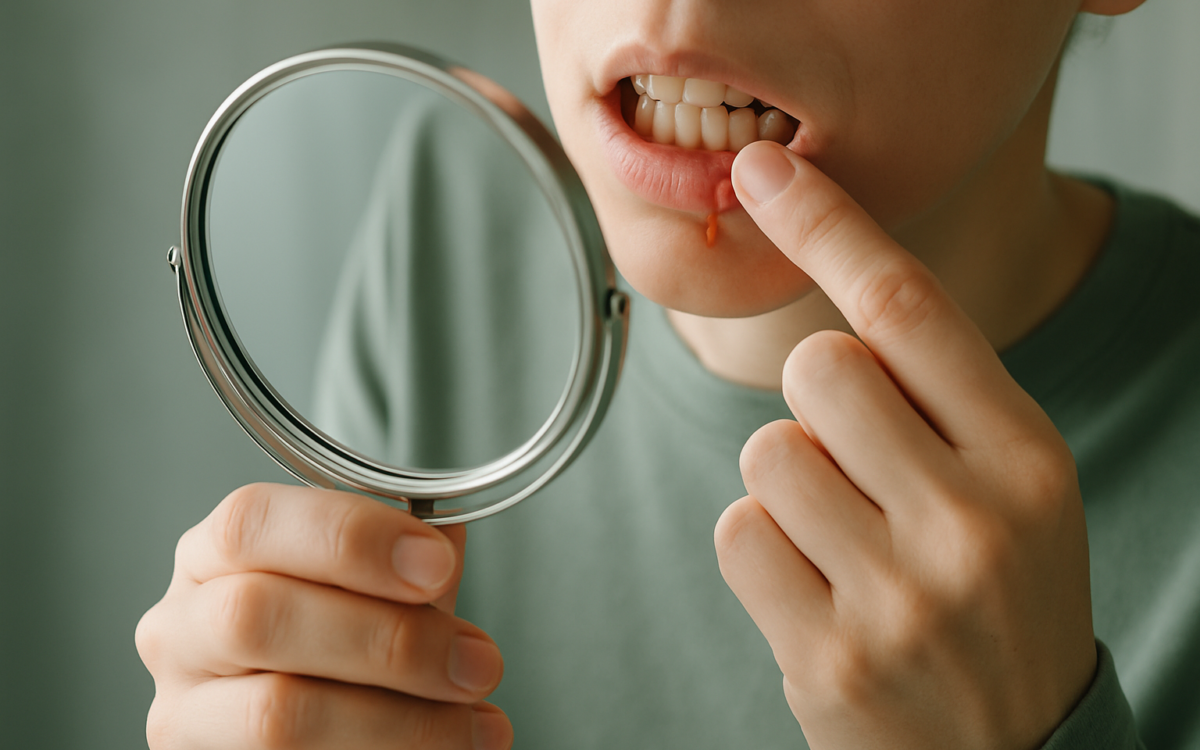
Seeing blood from your gums can be alarming, but it’s a common issue that many people experience at some point in their lives. While it may be tempting to brush it off, understanding why your gums are bleeding is important for your overall health. This article will explore the various causes of bleeding gums, preventive measures, and when it’s essential to seek medical attention.
What Causes Blood from Gums?
There are several reasons why your gums might bleed. Below are some of the most common causes:
- Poor Oral Hygiene: One of the leading causes of bleeding gums is a lack of proper oral care. When plaque—a sticky film of bacteria—builds up on your teeth and gums, it can lead to gum disease, which often manifests as bleeding, especially when brushing or flossing.
- Gingivitis: Gingivitis is a mild form of gum disease characterized by inflammation and irritation of the gums. Symptoms often include redness, swelling, and bleeding from the gums. If left untreated, gingivitis can progress to more serious conditions.
- Periodontitis: This more severe form of gum disease occurs when gingivitis is left unchecked. It can affect the bone that holds your teeth in place and lead to tooth loss. Bleeding from the gums is a common symptom of periodontitis.
- Hormonal Changes: Hormonal fluctuations, such as those experienced during puberty, menstruation, pregnancy, or menopause, can make gums more sensitive and prone to bleeding.
- Health Conditions: Certain health conditions like diabetes, blood disorders, and autoimmune diseases can also contribute to gum bleeding. Individuals with diabetes are at higher risk for infections, including those affecting the gums.
- Vitamin Deficiencies: A lack of essential vitamins, particularly vitamin C (which can lead to scurvy), can weaken the gums and make them prone to bleeding.
- Medications: Some medications, especially blood thinners, can increase the likelihood of bleeding gums. Talk to your doctor if you suspect your medications might be affecting your gum health.
Signs and Symptoms Associated with Bleeding Gums
Along with bleeding, other symptoms may signal an issue with your gums. Paying attention to these signs can help you address problems before they escalate:
- Swollen or inflamed gums
- Persistent bad breath
- Pus between the teeth and gums
- Loose teeth
- A change in the way your teeth fit together when you bite down
How to Prevent Bleeding Gums
Preventing gum bleeding is largely about maintaining good oral hygiene practices. Here are some tips:
- Brush Regularly: Brush your teeth at least twice a day using fluoride toothpaste. Use a soft-bristled toothbrush to avoid irritating your gums.
- Floss Daily: Flossing is crucial for removing plaque from areas your toothbrush cannot reach. Make it a daily habit to floss gently.
- Regular Dental Visits: Schedule regular check-ups and cleanings with your dentist. Professional cleanings can help remove plaque buildup and catch potential problems early.
- Healthy Diet: Eating a balanced diet rich in fruits, vegetables, and whole grains can help support gum health. Be sure to include foods high in vitamin C.
- Avoid Smoking: Tobacco use can significantly worsen oral health and increase your risk of gum disease. Quitting smoking can lead to improved gum health.
Home Remedies for Mild Bleeding Gums
If you experience occasional bleeding from your gums, consider these home remedies:
- Salt Water Rinse: Rinsing your mouth with warm salt water can help reduce inflammation and cleanse your gums. Mix one teaspoon of salt in a glass of warm water and rinse for 30 seconds.
- Hydrogen Peroxide Rinse: This may help kill bacteria in your mouth and promote healing. Dilute hydrogen peroxide with equal parts water, swish it in your mouth, and spit it out. Avoid swallowing it.
- Ice Packs: If your gums are swollen, applying an ice pack can help reduce inflammation and numb the pain.
When to See a Doctor
While bleeding from the gums can often be a minor issue, you should reach out to a healthcare professional if:
- The bleeding is persistent or worsens over time.
- You experience additional symptoms like severe pain, swelling, or a fever.
- You have a health condition, such as diabetes or a blood disorder, that may complicate gum health.
- You notice any changes in the alignment or stability of your teeth.
Conclusion
Finding blood from your gums can be concerning, but understanding the possible causes and preventative measures can help you maintain healthy gums. By practicing good oral hygiene and monitoring your gum health, you can prevent or manage blood from your gums effectively. Always consult a healthcare provider if you have persistent concerns or symptoms. Your oral health is an essential part of your overall well-being!
