
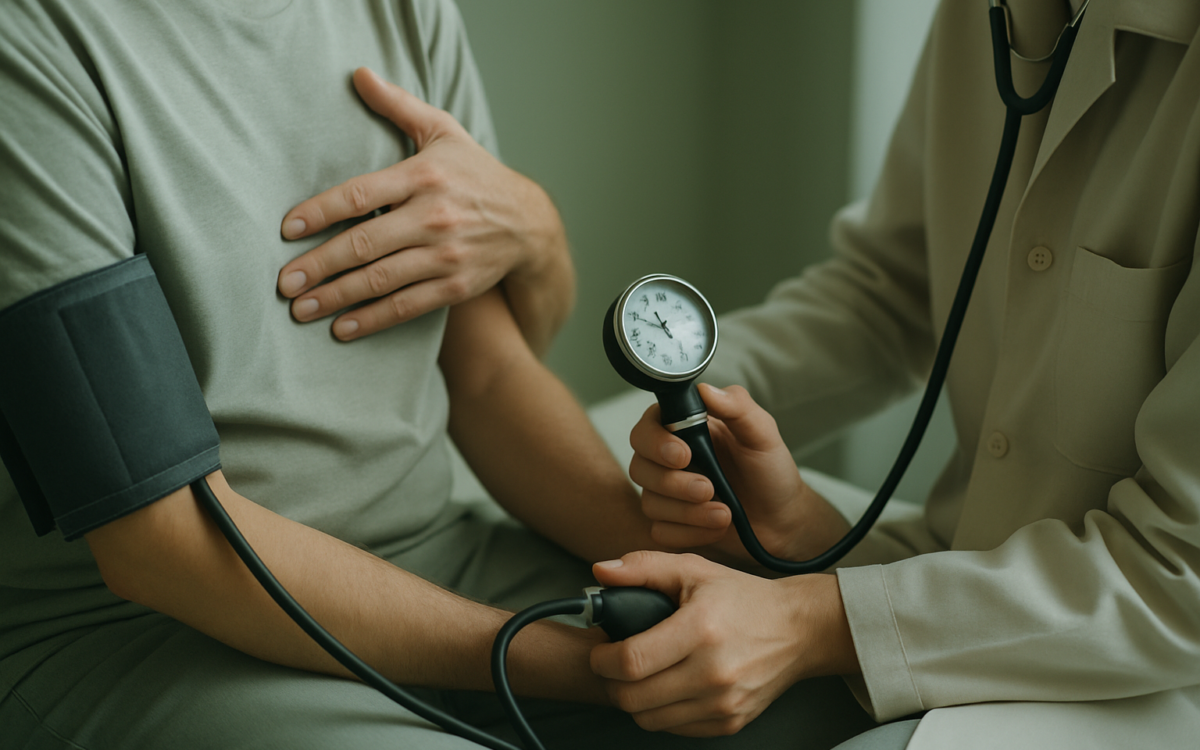
Blood pressure is a vital measure of your overall health, yet many people are unaware of the symptoms related to abnormal blood pressure levels. High blood pressure, also known as hypertension, and low blood pressure, or hypotension, can both lead to serious health issues if left unchecked. Understanding the signs and symptoms of these conditions is essential for maintaining good health. In this article, we will discuss the symptoms of high and low blood pressure, helping you recognize when intervention might be necessary.
What Is Blood Pressure?
Blood pressure refers to the force of blood pushing against the walls of your arteries. It is expressed with two numbers: systolic (the top number) measures the pressure in your arteries when your heart beats, while diastolic (the bottom number) measures the pressure when your heart rests between beats. A normal blood pressure reading is typically around 120/80 mmHg. However, when these numbers rise or drop significantly, they can indicate health problems.
Symptoms of High Blood Pressure
High blood pressure often goes unnoticed because it typically does not present any warning signs until it reaches dangerously high levels. However, there are some symptoms you might experience. It’s crucial to be aware of these indicators:
- Headaches: Frequent or severe headaches can be a symptom of hypertension.
- Dizziness: Feelings of dizziness or light-headedness may signal a problem.
- Nosebleeds: Unexplained nosebleeds can sometimes occur with high blood pressure.
- Shortness of Breath: You may experience difficulty breathing during daily activities.
- Visual Changes: Blurred vision or other visual disturbances can be associated with hypertension.
It’s important to note that these symptoms often don’t appear until blood pressure reaches a level called hypertensive crisis (>180/120 mmHg). At this point, immediate medical attention is necessary.
Symptoms of Low Blood Pressure
Low blood pressure, or hypotension, can also cause a range of symptoms that may affect your daily life. Here are some common signs:
- Weakness: You might feel unusually weak or fatigued.
- Confusion: Low blood pressure can lead to confusion or difficulty concentrating.
- Blurred or Diminished Vision: Like high blood pressure, low blood pressure can also affect your vision.
- Nausea: Feelings of nausea can sometimes accompany hypotension.
- Fainting: Experiencing fainting spells or dizziness upon standing can indicate a drop in blood pressure.
These symptoms arise when blood pressure is significantly below normal levels, often below 90/60 mmHg. If you notice these symptoms frequently, it’s essential to consult with a healthcare provider.
How Blood Pressure Affects Your Body
Both high and low blood pressure can lead to serious health complications over time. High blood pressure can cause damage to your heart, kidneys, and other vital organs. It may result in:
- Heart disease
- Stroke
- Kidney damage
- Vision loss
Low blood pressure can also cause problems like fainting or shock. In severe cases, it can lead to organ damage due to inadequate blood flow. Understanding these risks emphasizes the importance of monitoring your blood pressure regularly.
When to Monitor Blood Pressure
Regular monitoring of blood pressure is vital, especially if you have a family history of hypertension, heart disease, or other risk factors. Here are some situations when you should consider checking your blood pressure:
- You experience symptoms like those mentioned above.
- You have a known diagnosis of high or low blood pressure.
- You are pregnant, as pregnancy can affect blood pressure.
- You are taking medications that may influence blood flow.
How to Manage Blood Pressure Symptoms
Effective management of blood pressure symptoms often requires lifestyle adjustments. Here are some tips to help maintain a healthy blood pressure:
- Eat a Balanced Diet: Incorporate fruits, vegetables, whole grains, and lean proteins while reducing salt intake.
- Stay Active: Regular exercise can improve your heart health and help maintain healthy blood pressure levels.
- Limit Alcohol and Caffeine: Consumption of alcohol and caffeine can affect blood pressure, so moderation is key.
- Manage Stress: Engage in relaxation techniques like meditation, yoga, or deep breathing to keep stress levels in check.
- Monitor Your Blood Pressure: Keep track of your readings, and discuss any worrying trends with your healthcare provider.
When to See a Doctor
If you experience severe symptoms associated with high or low blood pressure, such as persistent headaches, dizziness, vision changes, or fainting, it’s essential to seek medical attention immediately. Additionally, if you regularly monitor your blood pressure and notice persistent high readings (above 130/80 mmHg) or signs of low blood pressure, discussing these changes with a healthcare professional is crucial for your overall well-being.
Conclusion
Understanding the symptoms of high and low blood pressure is vital for early detection and intervention. While high blood pressure might be termed a silent killer due to the lack of noticeable symptoms, low blood pressure can also present its own challenges. Regular monitoring and awareness of your body’s signals can empower you to take charge of your health. Stay informed, and don’t hesitate to reach out to a healthcare professional if you have concerns about your blood pressure.
