
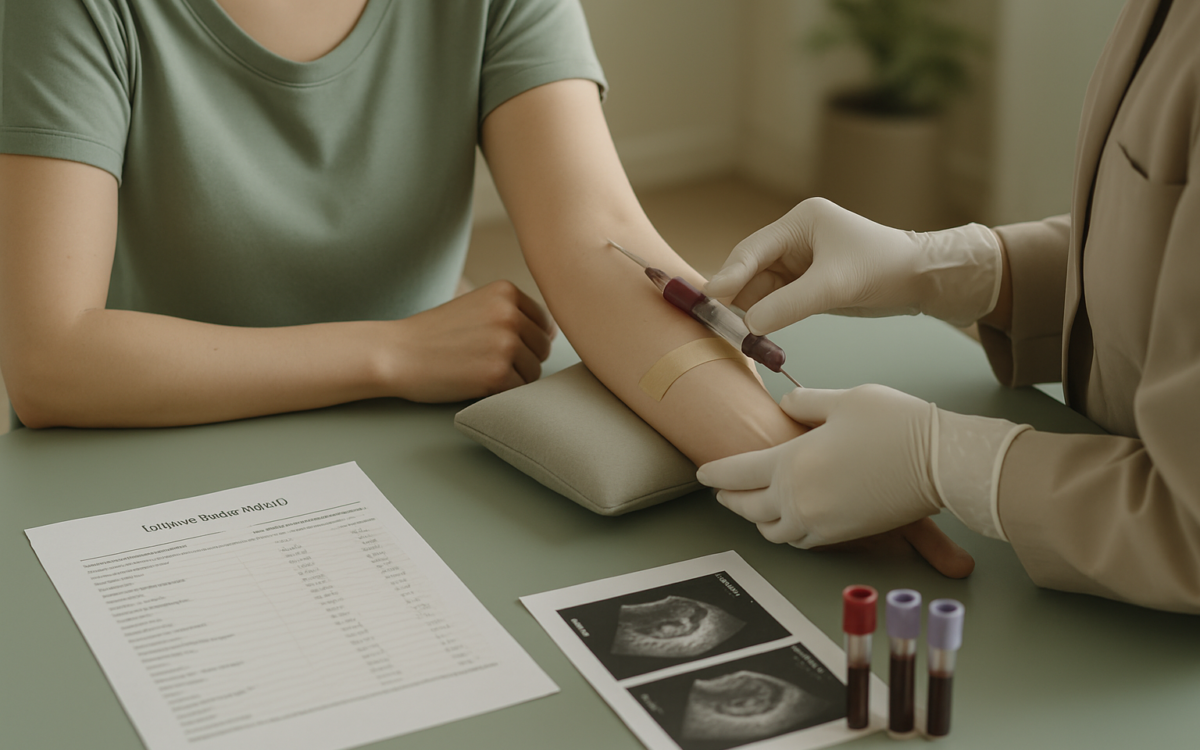
Polycystic Ovary Syndrome (PCOS) is a hormonal disorder affecting many women, marked by irregular menstrual cycles, weight gain, and excessive hair growth. Due to its complex nature, identifying PCOS often requires a thorough evaluation, including blood work. Understanding what a blood workup for PCOS includes can help women take informed steps toward managing their health.
What is PCOS?
PCOS is a common condition that affects how a woman’s ovaries function. Women with PCOS may produce higher levels of androgens, often referred to as male hormones, which can lead to a range of symptoms.
These symptoms can vary but often include:
- Irregular or missed menstrual periods
- Excess facial or body hair
- Acne and oily skin
- Weight gain or obesity
- Thinning hair on the scalp
Besides these symptoms, women with PCOS may also be at a higher risk for other health issues, including type 2 diabetes and heart disease. Thus, early diagnosis and proper management are essential.
The Role of a Blood Workup in Diagnosis
A blood workup for PCOS helps healthcare professionals diagnose the condition by evaluating hormonal levels and overall health. The tests generally fall into a few categories:
Hormone Testing
Hormonal imbalances are a hallmark of PCOS. A simple blood test can measure levels of:
- Luteinizing hormone (LH) and Follicle-stimulating hormone (FSH): These hormones regulate the menstrual cycle. In PCOS, the ratio of LH to FSH may be altered.
- Testosterone: Elevated levels of this male hormone can indicate PCOS. Women with PCOS often have higher-than-normal testosterone levels.
- Estrogen: Monitoring estrogen levels can help understand ovarian function and overall hormonal balance.
Insulin Levels
Insulin resistance is common in women with PCOS. A blood test can measure blood sugar and insulin levels. Higher insulin levels can indicate insulin resistance, which is associated with obesity and type 2 diabetes. Managing insulin levels is crucial for overall health in women with PCOS.
Additional Blood Tests
In addition to hormone and insulin tests, other blood tests might be recommended:
- Lipid Profile: This test measures cholesterol and triglyceride levels, which can be affected by PCOS.
- Thyroid Function Tests: Since thyroid issues can mimic or coexist with PCOS, testing thyroid hormone levels can provide a clearer health picture.
- Comprehensive Metabolic Panel (CMP): This can assess overall health and organ function, including liver and kidney health.
Preparing for Your Blood Workup
Preparing for a blood workup can help ensure accurate results. Here are some steps you can take:
- Fast if Necessary: Some tests, like glucose levels, may require fasting. Your healthcare provider will instruct you on this.
- Stay Hydrated: Drinking water is usually encouraged, but check with your healthcare provider for specific instructions.
- List Medications: Inform your doctor about any medications, supplements, or herbal products you’re taking, as these can affect test results.
Interpreting Your Blood Test Results
Once the results are in, your healthcare provider will explain what they mean. Normal ranges can vary, so it’s essential to discuss any abnormal results in the context of your symptoms and medical history.
For example, if your testosterone levels are elevated, your doctor may suggest lifestyle changes or medications to help manage PCOS symptoms. Each woman’s experience with PCOS is unique, requiring personalized management.
Managing PCOS Beyond Blood Workups
A blood workup is just one step in managing PCOS. Here are additional ways to support your health:
- Maintain a Healthy Weight: Weight management can help regulate menstrual cycles and improve insulin sensitivity.
- Follow a Balanced Diet: Eating a diet rich in fruits, vegetables, whole grains, and lean proteins can support overall health.
- Regular Exercise: Physical activity can improve insulin sensitivity and support weight management.
- Medication: Depending on your symptoms, medications like birth control pills, insulin-sensitizing agents, or anti-androgens may be prescribed.
When to See a Doctor
If you experience symptoms of PCOS, such as irregular periods or excessive hair growth, it is essential to consult your doctor. Early diagnosis can lead to better management of the condition and help reduce risks associated with PCOS.
Conclusion
A blood workup for PCOS is a vital part of understanding your health. It provides critical information that can help guide diagnosis and management options. Each woman’s journey with PCOS is unique, and through informed choices and support, it is possible to manage symptoms and improve quality of life.
For more information on PCOS and related conditions, visit NIH.
