
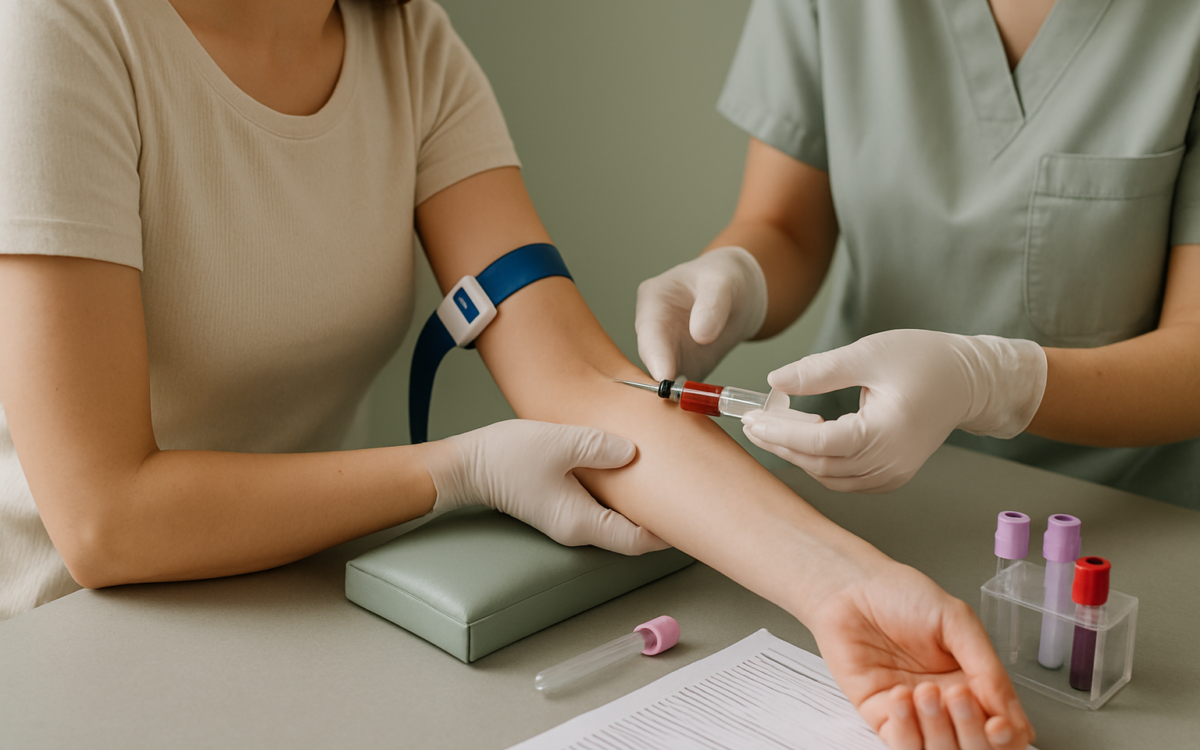
Polycystic Ovary Syndrome (PCOS) is a common hormonal disorder that affects many women of reproductive age. Understanding your body and its signals is key to managing this condition. Bloodwork is an essential tool for diagnosing and monitoring PCOS, providing vital information about hormone levels, insulin resistance, and overall health. This article will guide you through the types of blood tests relevant to PCOS and what the results may indicate.
What is PCOS?
PCOS is characterized by a range of symptoms, including irregular menstrual cycles, weight gain, and increased levels of male hormones known as androgens. While the exact cause remains unclear, factors like genetics and insulin resistance are believed to play a significant role. Understanding how bloodwork fits into this picture can illuminate the path to better management.
The Role of Bloodwork in Diagnosing PCOS
To diagnose PCOS, healthcare providers often rely on blood tests alongside physical examinations and medical histories. The primary blood tests include:
- Hormone Levels: Blood tests can measure levels of hormones such as luteinizing hormone (LH), follicle-stimulating hormone (FSH), testosterone, and estrogen. In women with PCOS, LH levels are usually higher than FSH, leading to an imbalance.
- Insulin Resistance Tests: Insulin resistance is prevalent among women with PCOS. Tests like fasting insulin levels or glucose tolerance tests help assess how well your body is responding to insulin.
- Lipid Profile: This test measures cholesterol and triglyceride levels, providing insight into the risk of heart disease, which is higher in women with PCOS.
Hormonal Imbalances and Implications
Hormonal imbalances are a hallmark of PCOS. High levels of androgens can cause symptoms like acne, excessive hair growth, and thinning hair. Monitoring hormone levels through bloodwork helps track these imbalances. For instance, if testosterone levels are elevated, healthcare providers may explore treatment options that can help restore balance.
Understanding Insulin Resistance and Its Importance
Insulin resistance is another common issue in women with PCOS. When the body becomes less responsive to insulin, it can lead to higher insulin levels, weight gain, and increased risk of type 2 diabetes. Bloodwork can determine insulin sensitivity, which is crucial since managing insulin levels can greatly improve PCOS symptoms.
For women considering international treatment options, various clinics, such as acibademinternational.com, offer comprehensive evaluations and specialized treatment plans for managing PCOS, including dietary and lifestyle interventions.
Other Tests Related to PCOS Management
In addition to hormone and insulin assessments, other tests may be recommended based on individual symptoms:
- Thyroid Function Tests: Thyroid issues can mimic or exacerbate PCOS symptoms. Checking thyroid hormones helps rule out hypothyroidism or hyperthyroidism.
- Prolactin Levels: High prolactin levels can cause menstrual irregularities and may be tested to ensure there isn’t another underlying issue affecting hormonal balance.
Following Up on Your Bloodwork Results
Interpreting bloodwork results can be complex. It’s essential to discuss your findings with a healthcare provider who can contextualize your numbers based on your individual health and symptoms. For instance, slightly elevated testosterone may be normal for some women but indicate PCOS in others.
Regular monitoring can help track changes over time. Based on the results, your healthcare provider may recommend lifestyle changes, medications, or further investigation into associated health issues.
When to See a Doctor
If you experience symptoms such as irregular periods, significant weight gain, male-pattern baldness, or severe acne, it’s advisable to consult a healthcare provider. Early diagnosis and management of PCOS can prevent complications such as diabetes, heart disease, and endometrial cancer.
Additionally, if you have concerns about your blood test results or if you don’t feel that your symptoms are being managed effectively, reaching out to your doctor is important. They can provide guidance tailored uniquely to your situation.
In conclusion, understanding bloodwork’s role in diagnosing and managing PCOS can empower women in their health journeys. By staying informed and proactive, you can navigate the complexities of PCOS with confidence.
