
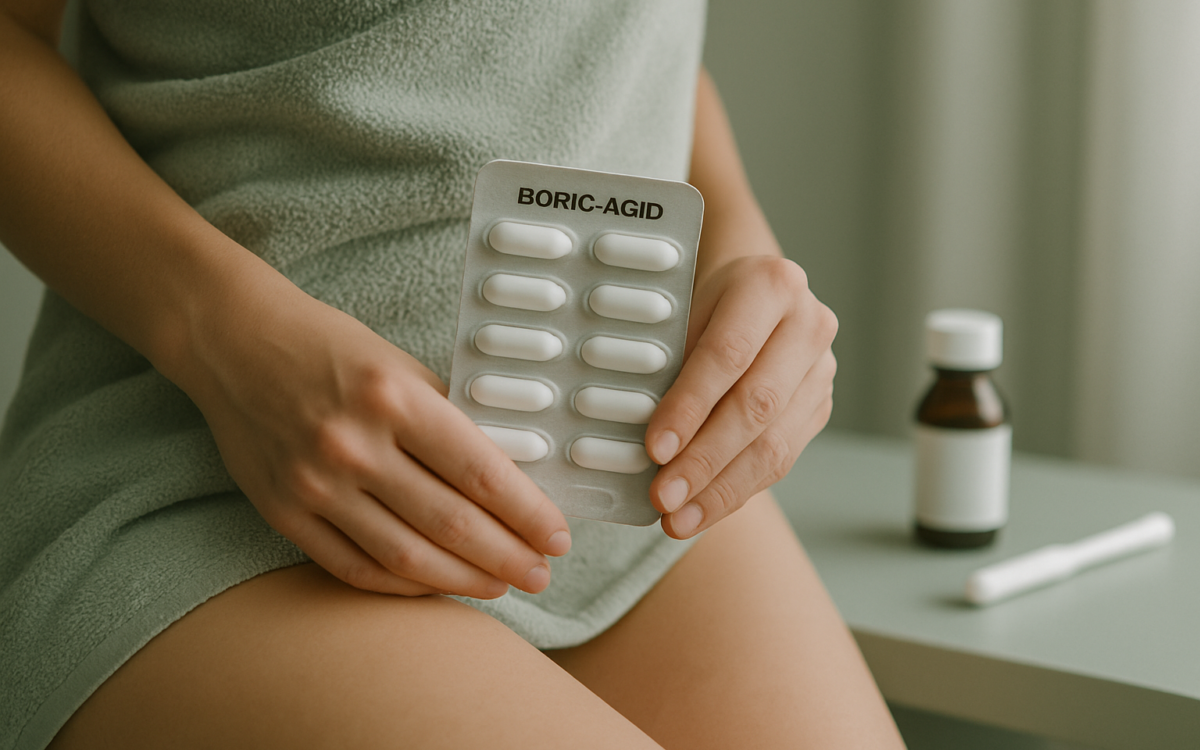
Yeast infections are common, affecting millions of women each year. They occur when the natural balance of microorganisms in the vagina is disrupted, often leading to discomfort, itching, and other unpleasant symptoms. While many people turn to over-the-counter treatments or prescription medications, another option, boric acid, has gained attention for its effectiveness in treating recurrent yeast infections.
What is Boric Acid?
Boric acid is a naturally occurring compound that has antifungal and antibacterial properties. It has been used in various forms for decades, including as a pest control agent and in some medical applications. In the realm of women’s health, boric acid has emerged as an alternative treatment for yeast infections, especially for those who experience chronic issues. When used properly, it can help restore the natural balance of bacteria and yeast in the vagina.
How Does Boric Acid Work?
Boric acid works by creating an environment in the vagina that is hostile to harmful microorganisms while promoting the growth of healthy ones. It lowers the pH level in the vaginal area, which can help inhibit the overgrowth of yeast, particularly Candida albicans, the primary culprit behind most yeast infections. Studies indicate that boric acid has significant antifungal properties, which make it an effective option for those dealing with resistant yeast infections or those who cannot tolerate conventional antifungal medications.
Using Boric Acid for Yeast Infections
For women considering boric acid as a treatment option, it is typically used in the form of vaginal suppositories. Here’s a brief guide on how it is usually administered:
- Consult a Healthcare Provider: Before using boric acid, it’s important to talk with a healthcare professional to ensure it’s safe and appropriate for your situation.
- Dosage: The common dose involves a capsule inserted into the vagina once daily, usually at bedtime, for up to two weeks. Always follow the instructions provided by your doctor.
- Possible Side Effects: While many women tolerate boric acid well, some might experience irritation or a burning sensation. If this occurs, it’s advisable to stop using it and consult your healthcare provider.
The Effectiveness of Boric Acid
Research has shown that boric acid can be particularly beneficial for women who suffer from recurrent yeast infections, defined as four or more incidents within a year. In a clinical study published by the National Institutes of Health, boric acid was found to be effective in treating vulvovaginal candidiasis when traditional antifungal treatments were not effective (NIH). Its ability to act as a natural antifungal agent makes it a strong candidate for those seeking alternatives.
Who Should Consider Boric Acid?
Boric acid may be an option for women who:
- Have recurrent yeast infections that do not respond to over-the-counter treatments
- Are looking for a natural alternative to prescription antifungal medications
- Prefer to avoid ingredients found in many over-the-counter treatments
However, it is essential for women who are pregnant or breastfeeding to avoid using boric acid unless recommended by a healthcare provider. Ingesting boric acid can be harmful, and it is only safe for use when applied locally.
Precautions and Risks
While boric acid can be an effective treatment for yeast infections, there are important precautions to consider:
- Avoid Oral Ingestion: Boric acid is toxic if swallowed. Always use it as prescribed and never ingest it.
- Check for Allergies: Some individuals might have sensitivities or allergies to boric acid. It is important to monitor for any unusual reactions.
- Consult About Other Conditions: Women with existing health issues, such as kidney problems or specific vaginal conditions, should discuss boric acid use with their doctor.
When to See a Doctor
If you suspect you have a yeast infection or have been experiencing recurring symptoms, it’s vital to see a healthcare professional. Symptoms such as severe itching, unusual discharge, or a burning sensation during urination can indicate an infection that may require medical attention. Additionally, if treatments are not alleviating your symptoms or if they persist, consulting your doctor can help determine the underlying cause and appropriate treatment options.
Conclusion
Boric acid offers a promising alternative for managing yeast infections, especially for those who experience recurring episodes. Its antifungal properties and ability to restore vaginal pH can provide relief, but it is essential to approach its use carefully and under the supervision of a healthcare provider. By maintaining open communication with your doctor and considering all of your treatment options, you can make informed decisions about your health.
