
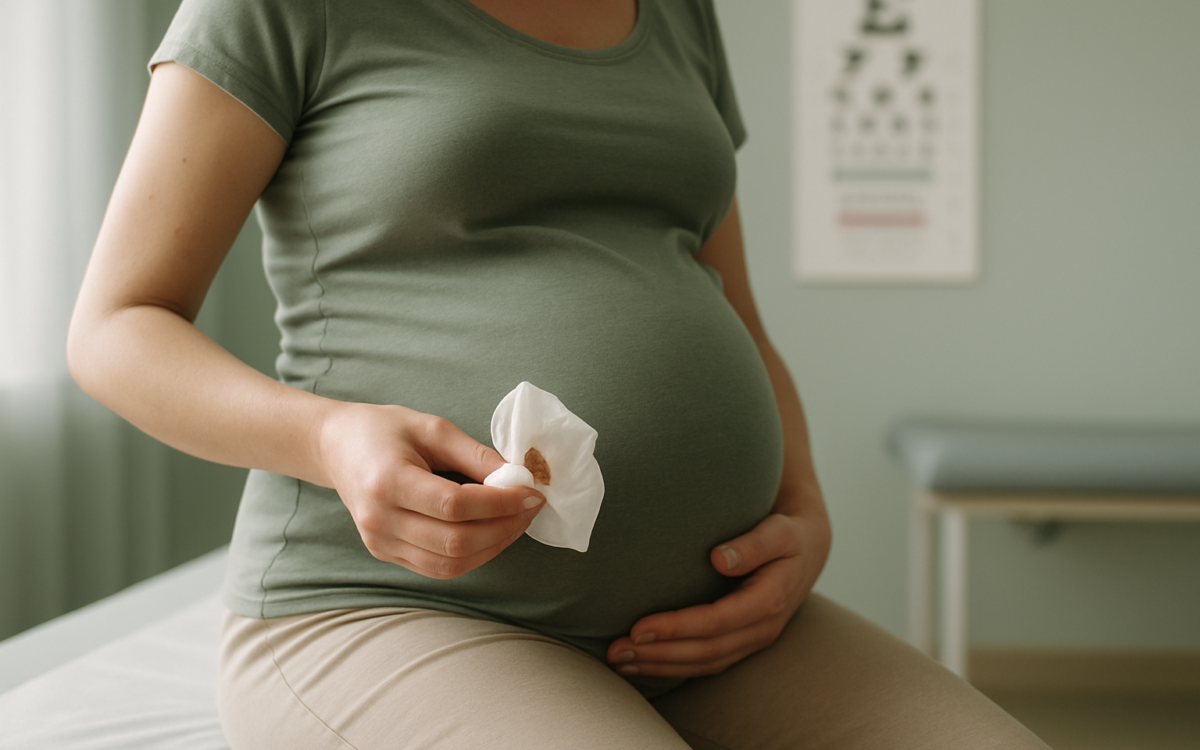
During pregnancy, many women experience various changes in their bodies, and one common concern is the occurrence of brown discharge. This can be worrying, especially for first-time mothers, but understanding why it happens can help ease fears and improve well-being.
What Is Brown Discharge?
Brown discharge typically consists of old blood mixed with vaginal secretions. When blood takes longer to leave the body, it can oxidize, causing it to appear brown rather than red. This kind of discharge can occur during different stages of pregnancy and has several possible causes.
Possible Causes of Brown Discharge During Pregnancy
There are multiple reasons for brown discharge during pregnancy. Here are some of the most common:
- Implantation Bleeding: In early pregnancy, when the fertilized egg attaches to the uterine lining, some women may experience a small amount of light spotting that can appear brown.
- Hormonal Changes: As the body adjusts to the hormonal shifts of pregnancy, some women might notice brown discharge as a natural part of these changes.
- Cervical Changes: The cervix becomes more sensitive and vascular during pregnancy, making it more prone to bleeding, especially after intercourse or pelvic exams.
- Infections: Certain infections can cause changes in discharge, including brown color. It’s vital to monitor any additional symptoms.
- Miscarriage or Ectopic Pregnancy: Although less common, brown discharge can sometimes be a sign of a miscarriage or ectopic pregnancy. If you notice additional symptoms, like severe cramping or bright red bleeding, seek medical help immediately.
When Is Brown Discharge Normal?
For many women, brown discharge is a normal part of pregnancy, especially in the early weeks. If it is light and not accompanied by any other symptoms, it’s often considered typical. However, it is essential to stay vigilant for any changes in your body or accompanying symptoms that may indicate a more serious issue.
Signs of Concern: When to Consult Your Doctor
While brown discharge can be common and benign, there are situations where it is critical to consult your healthcare provider:
- If the discharge is accompanied by bright red blood.
- If you experience significant pelvic pain or cramping.
- If you have fever or chills, which may suggest an infection.
- If you notice a change in the discharge’s smell or consistency that concerns you.
- If the discharge persists for an extended period.
Managing Anxiety Around Brown Discharge
Experiencing brown discharge can trigger anxiety for expectant mothers. It’s essential to focus on your mental and emotional health by discussing your concerns with your partner or a healthcare provider. Consider keeping a journal to track your symptoms and feelings, which can help you identify patterns and discuss them during appointments.
Additionally, many pregnant women seek alternative care or treatment options. If you’re considering treatments abroad or an international perspective on maternal care, resources like acibademinternational.com may offer insight into globally recognized providers and practices.
A Note on Brown Discharge in Later Pregnancy
For women in the later stages of pregnancy, brown discharge can still occur but may be related to different factors. It might indicate cervical changes leading up to labor. In some cases, it’s normal for the body to prepare for childbirth, but closer monitoring during this time is advised. As always, if you feel uncertain, reach out to your healthcare provider.
Conclusion
Understanding brown discharge during pregnancy is vital for expectant mothers. While it can often be normal and harmless, remaining aware of other symptoms and knowing when to seek medical advice is essential. Embrace your pregnancy journey with knowledge and support, and remember that your healthcare provider is a valuable resource for any concerns you may have.
