
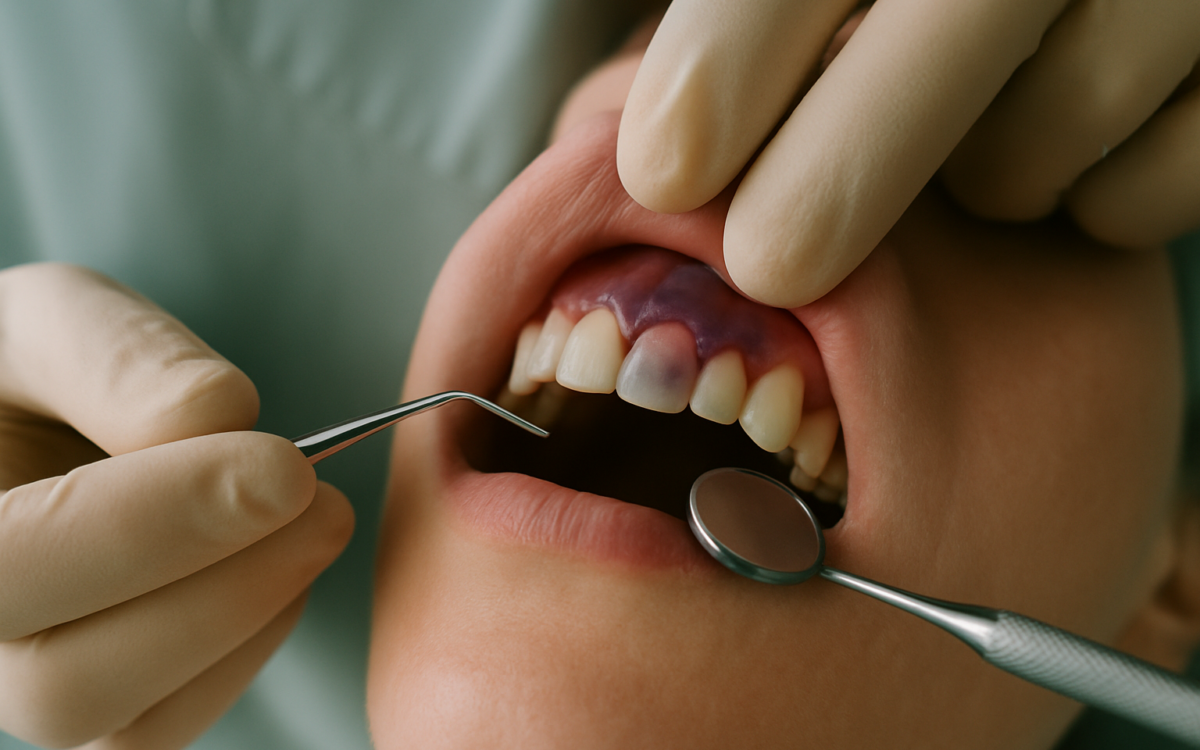
Bruised gums can be a surprising and uncomfortable experience. Whether it’s due to injury, a dental procedure, or an underlying health condition, understanding the causes and care for bruised gums can help you maintain your oral health. In this article, we will explore the common causes, symptoms, treatment options, and tips for preventing bruised gums.
What are bruised gums?
Bruised gums refer to soft tissue injuries in the mouth that can result in discoloration, swelling, and tenderness. Bruising occurs when blood vessels break under the skin, leading to the pooling of blood in the surrounding tissue. This can happen in the gums just like any other area of the body.
Common causes of bruised gums
Understanding the reasons behind bruised gums can help you identify potential management strategies. Here are several common causes:
- Trauma: Accidental injury from hard foods, vigorous brushing, or dental tools can damage the gum tissue, leading to bruising.
- Dental procedures: Professional cleaning, tooth extractions, or other dental work may also result in temporary bruising.
- Medical conditions: Conditions that affect blood clotting, such as hemophilia or certain medications, can increase the likelihood of bruising.
- Hormonal changes: Hormonal fluctuations during pregnancy or menstruation may make gums more sensitive and prone to bruising.
- Gum disease: Gingivitis and periodontitis can weaken gum tissue, making it more susceptible to injury.
Symptoms to look for
Bruised gums may present a variety of symptoms. Here are key indicators to watch for:
- Discoloration: The most noticeable sign is a change in color—gums may appear purple, red, or black.
- Swelling: Bruised gums may become swollen or inflamed, indicating irritation or injury.
- Pain or tenderness: You may experience discomfort when touching the area or while eating.
- Bleeding: If bruised gums are bleeding, it may indicate a more serious issue.
Caring for bruised gums
If you find yourself with bruised gums, there are several strategies you can implement to promote healing:
- Rinse with salt water: A gentle saltwater rinse can reduce inflammation and promote healing. Mix one teaspoon of salt in a glass of warm water and rinse your mouth.
- Maintain oral hygiene: Though it may be uncomfortable, keep brushing and flossing to prevent infection. Use a soft-bristled toothbrush to avoid further irritation.
- Cold compress: Applying a cold compress to the outside of the mouth can help numb the area and reduce swelling.
- Avoid irritants: Stay away from spicy foods, acidic drinks, and tobacco products while your gums heal.
When to see a doctor
While bruised gums can often be treated at home, it’s essential to seek medical attention under certain circumstances. Contact your healthcare provider if you:
- Have persistent or severe pain
- Experience significant bleeding
- Notice a worsening condition such as swelling or fever
- Have bruised gums frequently or without an apparent cause
Preventing bruised gums
Taking proactive steps can significantly lessen the likelihood of bruised gums:
- Use a soft toothbrush: A soft-bristled toothbrush is gentler on your gums and less likely to cause injury.
- Practice gentle flossing: Be careful while flossing, ensuring that you don’t force the floss into the gum tissue.
- Regular dental check-ups: Regular visits to the dentist can help identify potential problems early and maintain gum health.
- Manage existing health conditions: Work with your healthcare provider to manage conditions that might affect gum health.
For more detailed information on gum health and related topics, the National Institutes of Health and the Mayo Clinic offer valuable resources.
In conclusion, while bruised gums can be uncomfortable and concerning, understanding their causes and care can empower you to take control of your oral health. Most cases can be managed with home remedies and prevention strategies, but don’t hesitate to consult a healthcare provider if symptoms persist or worsen.
