
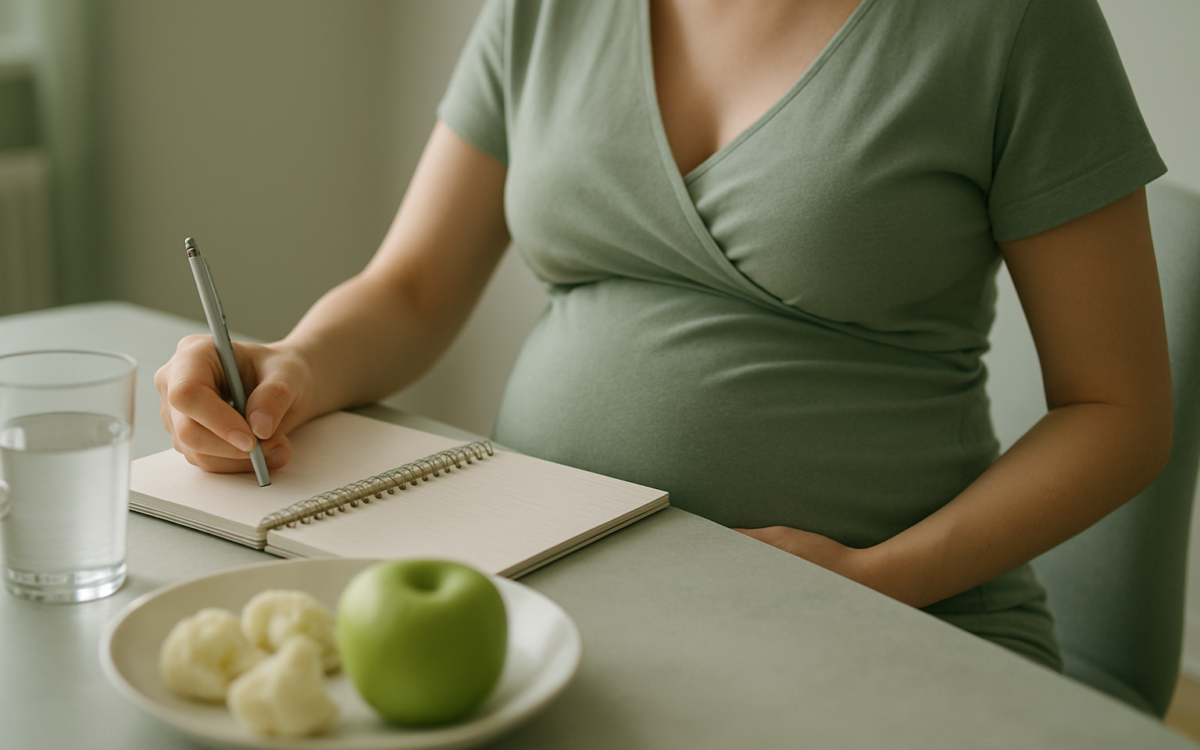
Pregnancy is a beautiful journey, but it also brings many questions, especially regarding nutrition and caloric intake. One common concern for expectant mothers is, “How many calories should I consume while pregnant?” Understanding your energy needs during this important time is crucial for both your health and the development of your baby.
The Basics of Caloric Intake During Pregnancy
During pregnancy, your body goes through significant changes. It’s not just your baby growing; your body is also working hard to support this new life. As a result, your caloric needs will increase. But how much more do you need? Generally, the recommendation is to increase your calorie intake by about 300 to 500 calories per day, especially during the second and third trimesters. This can lead to an increase in healthy weight gain, which is essential for the growth of your baby and your own well-being.
Caloric Needs by Trimester
Your caloric needs can vary throughout your pregnancy. Here’s a breakdown by trimester:
- First Trimester: Most women do not need to significantly increase their caloric intake during the first trimester. In fact, you can generally continue with your pre-pregnancy caloric intake. Focus on nutrient-dense foods rather than just calories.
- Second Trimester: During this phase, aim for an increase of approximately 340 calories per day. This is when your baby begins to grow more rapidly.
- Third Trimester: In this stage, an increase to around 450 additional calories daily is often recommended, as your baby is putting on weight and preparing for birth.
Overall, these numbers can vary based on your individual health, activity level, and whether you’re carrying multiples. Therefore, it’s important to consult with a healthcare provider to tailor these recommendations to your unique circumstances.
Quality of Calories Matters
While knowing the number of calories to consume is important, the quality of those calories is just as crucial. It’s not enough to simply increase your caloric intake; you should aim to consume foods rich in nutrients. Incorporate a variety of food groups:
- Fruits and Vegetables: Aim for colorful selections to ensure a range of vitamins and minerals.
- Whole Grains: Foods like brown rice, quinoa, and whole-grain bread provide fiber and energy.
- Lean Proteins: Sources such as chicken, fish, tofu, and legumes are essential for your baby’s growth.
- Dairy: Full-fat yogurt, milk, and cheese offer calcium and vitamin D.
Additionally, avoid empty calories present in sugary snacks and beverages, as these can contribute to unwanted weight gain and do not offer the nutrients you and your baby need.
Managing Weight Gain During Pregnancy
Healthy weight gain is an integral part of pregnancy. The amount of weight you should aim to gain depends on your pre-pregnancy body mass index (BMI). For instance:
- Underweight (BMI less than 18.5): Gain 28-40 pounds
- Normal weight (BMI 18.5-24.9): Gain 25-35 pounds
- Overweight (BMI 25-29.9): Gain 15-25 pounds
- Obese (BMI 30 or greater): Gain 11-20 pounds
Keep in mind that most of this weight gain is due to the growth of your baby, placenta, amniotic fluid, and changes in your body. Regular check-ups with your doctor will help monitor your weight gain and ensure that you are on the right track.
Staying Active During Pregnancy
Physical activity is beneficial during pregnancy, provided you have no medical complications. It can help balance your caloric intake and promote a healthy weight gain. The CDC recommends at least 150 minutes of moderate-intensity aerobic activity, like walking or swimming, each week for pregnant women. However, always talk to your healthcare provider about what level of activity is safe for you.
When to See a Doctor
If you have concerns about your weight gain or caloric intake during pregnancy, it’s essential to consult your healthcare provider. Issues to discuss can include:
- Excessive weight gain
- Inadequate weight gain
- Unusual cravings or aversions to certain foods
- Questions about exercise and activity levels
Your doctor can provide personalized recommendations based on your health history and circumstances.
Conclusion
Understanding your caloric needs during pregnancy is a vital aspect of ensuring both your health and the health of your growing baby. Focus on increasing the quality and quantity of your food intake, monitor your weight gain, stay active, and stay in close contact with your healthcare provider to navigate this exciting yet challenging time. With the right support and information, you can help foster a healthy environment for both you and your baby.
