
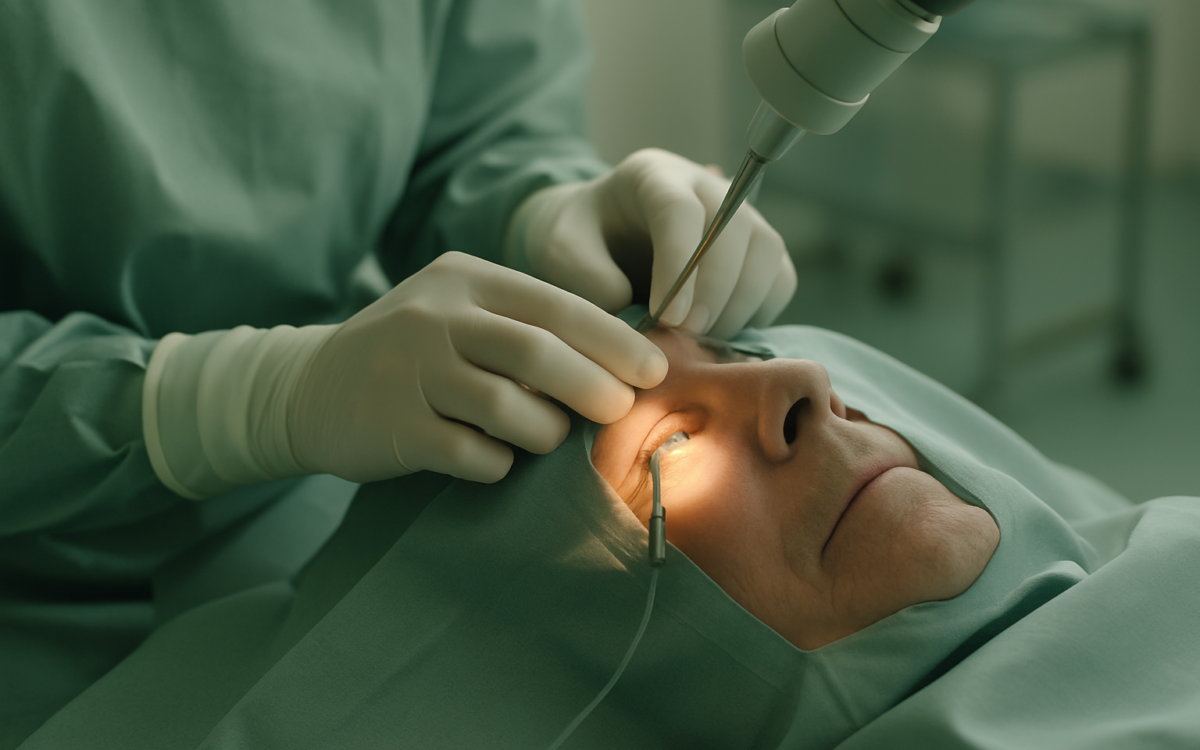
Cataracts are a common vision problem, especially as we age. They occur when the lens of the eye becomes cloudy, leading to blurred vision, difficulty seeing at night, and sensitivity to light. For many people, the solution is cataract surgery, a procedure that can significantly improve quality of life. In this article, we will explore what cataract surgery entails, the different types of procedures available, what to expect during recovery, and when it’s the right time to consult a doctor.
What is cataract surgery?
Cataract surgery is a procedure that removes the cloudy lens from your eye and replaces it with an artificial lens, known as an intraocular lens (IOL). This surgery is often performed as an outpatient procedure, meaning you can go home the same day. The main goal is to restore clear vision, allowing you to return to daily activities with improved eyesight.
Types of cataract surgery
There are primarily two types of cataract surgery:
- Phacoemulsification: This is the most common type of cataract surgery. The surgeon makes a small incision in the eye and uses ultrasound waves to break up the cloudy lens. The pieces are then gently sucked out, and the IOL is inserted through the same incision.
- Extracapsular cataract extraction: This method is less common and is typically used for more advanced cataracts. The surgeon makes a larger incision to remove the entire cloudy lens in one piece, followed by the insertion of an IOL. This method may require a longer recovery time.
Both surgeries are effective, and the choice often depends on the individual case and the surgeon’s recommendation.
Preparation for surgery
Before the surgery, your eye doctor will conduct a comprehensive eye examination. This may include tests to measure your visual acuity, assess the size and shape of your eye, and determine the appropriate power of the IOL. You may also be given specific instructions, such as:
- Avoiding certain medications, particularly blood thinners.
- Arranging for someone to drive you home after the surgery.
- Using eye drops as prescribed to minimize the risk of infection.
It’s essential to follow these recommendations closely to ensure the best possible outcome.
What to expect during the operation
Cataract surgery typically lasts about 15 to 30 minutes. Here’s a brief overview of the steps involved:
- Anesthesia: Local anesthesia is usually administered to numb the eye, and you may also receive a sedative to help you relax.
- Procedure: The surgeon will make a small incision in the eye to access the lens. Depending on the type of surgery, phacoemulsification or extracapsular extraction will be performed to remove the cloudy lens.
- Replacement: Once the cloudy lens is removed, the IOL is inserted through the same incision.
- Closing: The incision is so small that it often doesn’t require stitches; it will heal on its own.
Most patients report minimal discomfort during the surgery. You will be encouraged to avoid rubbing your eye after the procedure and may need to wear an eye shield while sleeping.
Recovery after cataract surgery
Recovery from cataract surgery is generally quick, but it varies from person to person. Here’s what you can typically expect:
- Immediate post-operative care: You will likely have blurred vision right after the surgery, but this should improve within a few days.
- Follow-up appointments: You’ll have a follow-up appointment the day after the surgery to check your eye and vision.
- Eye drops: Your doctor will prescribe antibiotic and anti-inflammatory eye drops to prevent infection and reduce swelling.
- Activity restrictions: For a short period, you’ll need to avoid strenuous activities, swimming, and bending over.
Full recovery can take several weeks, and your vision may continue to improve during this time.
Potential risks and complications
Like any surgery, cataract surgery carries some risks. While serious complications are rare, they can include:
- Infection: This can occur if bacteria enter the eye during surgery.
- Bleeding: Though uncommon, bleeding inside the eye can happen.
- Retinal detachment: This is a serious condition where the retina pulls away from its normal position, leading to vision loss.
It’s crucial to discuss these risks with your eye doctor, who can provide detailed information based on your individual circumstances.
When to see a doctor
If you experience any of the following symptoms, it’s essential to contact your eye doctor:
- Sudden changes in vision or an increase in blurry vision.
- Flashes of light, floating spots, or a curtain-like shadow over your vision.
- Severe eye pain or discomfort.
- Signs of infection, such as redness, swelling, or discharge.
Acting quickly can help prevent complications and protect your vision.
Overall, cataract surgery is a safe and effective way to restore clear vision and improve quality of life. If you notice symptoms of cataracts or have questions about the procedure, consult your doctor. Understanding the ins and outs of cataract surgery can empower you to make informed health decisions.
For more information, check out the National Institutes of Health or the Mayo Clinic.
