
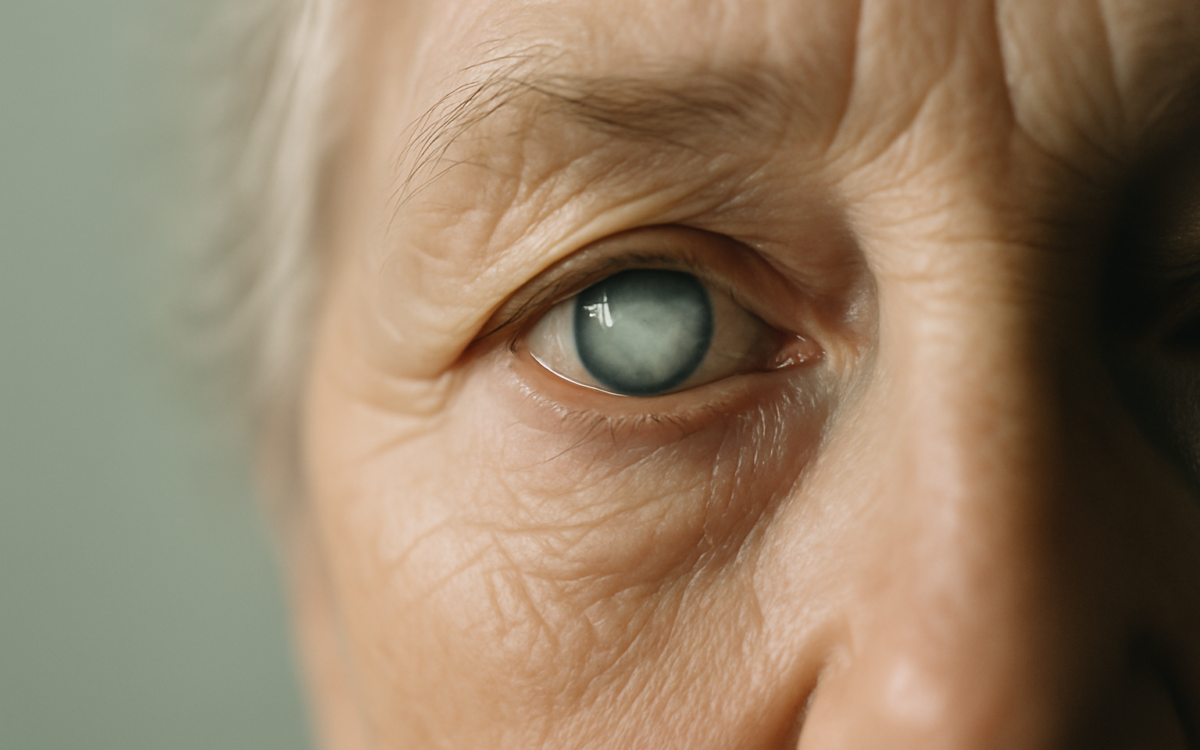
Cataracts are one of the leading causes of vision impairment worldwide. They tend to develop gradually and can significantly affect your quality of life. Many people may not realize they have cataracts until they notice changes in their vision. Understanding cataracts and how they appear can help you recognize this condition and seek timely medical advice.
What Are Cataracts?
A cataract forms when the clear lens of the eye becomes cloudy. This cloudiness can block or distort the passage of light to the retina, leading to blurred vision and difficulties with glare or seeing at night. Cataracts typically develop slowly, and in the early stages, they may not significantly impact your daily activities.
Common Symptoms of Cataracts
Recognizing the early signs of cataracts can be crucial for maintaining good vision. Here are some common symptoms:
- Blurred or hazy vision, similar to looking through a foggy window.
- Difficulty with night vision, often becoming apparent while driving.
- Seeing halos around lights, particularly at night.
- Frequent changes in prescription glasses or contact lenses.
- Colors appearing faded or yellowed.
- A sense of glare or sensitivity to bright lights.
Cataract Eye Picture: What Do They Look Like?
When discussing cataracts, it’s helpful to visualize what they look like in the eye. A cataract eye pic shows the cloudy lens compared to a healthy lens. The image typically illustrates a clear lens on one side and a cloudy lens on the other side, highlighting the difference in transparency. This visual comparison can make it easier to understand how cataracts affect vision.
What Causes Cataracts?
There are several factors that can lead to the development of cataracts:
- Aging: The most common cause of cataracts, they usually develop later in life as proteins in the eye lens break down.
- Genetics: Family history can play a role, indicating a hereditary component to cataract development.
- Health conditions: Conditions like diabetes or issues with the metabolic system may increase the risk of cataracts.
- Environmental factors: Exposure to UV rays from sunlight, smoking, and heavy alcohol consumption can increase susceptibility.
- Trauma or surgery: Previous eye injuries or surgeries can result in cataract formation.
Diagnosis and Treatment Options
If you think you might have cataracts, visiting an eye specialist is crucial. During a comprehensive eye exam, your doctor can assess your vision and check the health of your eyes. They might use a slit lamp to get a close-up view of the eye’s internal structures, including the lens.
Currently, the only effective way to treat cataracts is through surgery. This involves removing the cloudy lens and replacing it with an artificial one. This outpatient procedure is usually quick and has a high success rate, helping many regain clear vision.
Preventing Cataracts
While some risk factors for cataracts, like age and genetics, are unavoidable, certain lifestyle choices can help mitigate the risk:
- Wear sunglasses that block UV rays.
- Quit smoking and limit alcohol consumption.
- Eat a balanced diet rich in fruits and vegetables, particularly dark leafy greens.
- Maintain a healthy weight and exercise regularly.
Research and Future Directions
Ongoing research continues to investigate the causes and treatment of cataracts. Innovative therapies, such as medications to prevent or reverse cataracts, are being explored. Staying informed about the latest developments can empower you to make better decisions regarding your eye health.
When to See a Doctor
If you notice any changes in your vision, such as blurriness, difficulty seeing at night, or increased sensitivity to light, it’s important to consult an eye care professional. Early detection can lead to more effective treatment options.
In conclusion, cataracts are a common eye condition that can significantly alter your vision. Recognizing symptoms, understanding what cataracts look like, and knowing when to seek help can make a difference in maintaining your sight. If you have further questions about cataracts or other eye health issues, don’t hesitate to speak to your doctor.
