
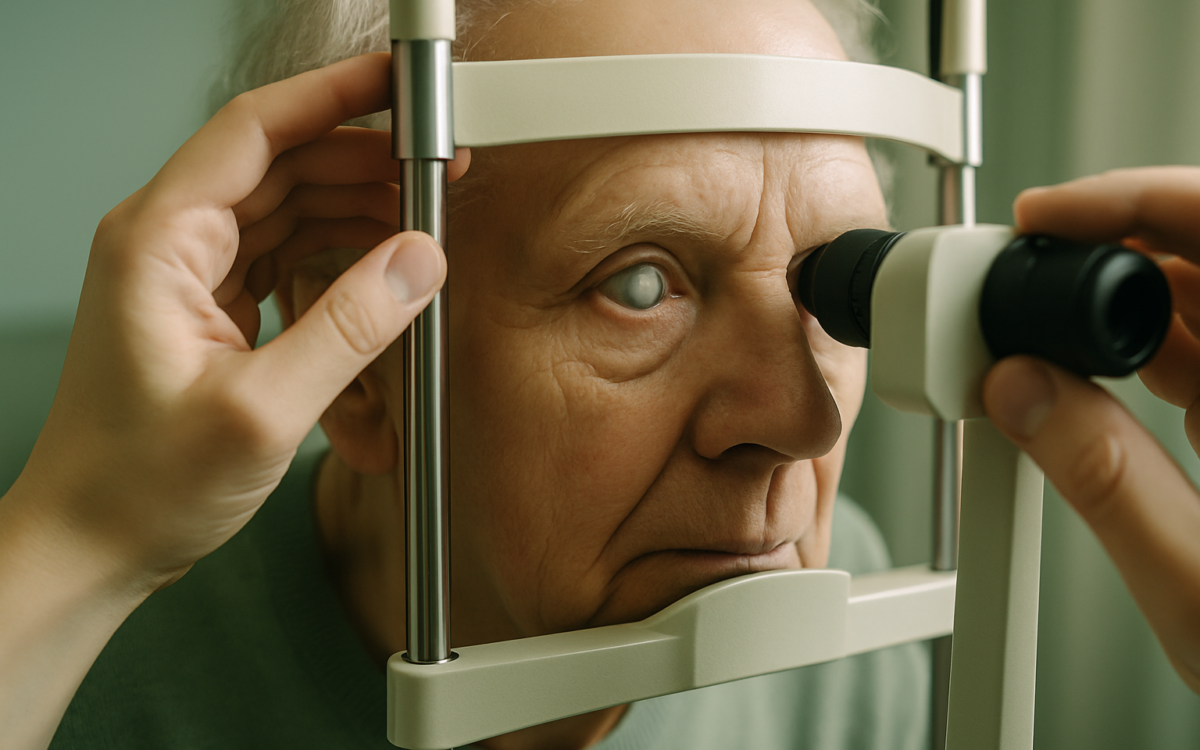
Cataracts are a common eye condition that affects millions of people worldwide. They occur when the lens of the eye becomes cloudy, leading to blurred vision and difficulty seeing clearly. If you’ve ever noticed that colors are less vibrant or that headlights seem too bright at night, you could be experiencing the early signs of cataracts. Understanding what cataracts are and how they develop is essential for maintaining good eye health.
What Are Cataracts?
Cataracts develop when proteins in the lens of the eye clump together, forming a cloudy area. This cloudiness prevents light from passing through the lens clearly, which can impair vision. Cataracts often develop slowly over time and can affect one or both eyes.
Common Symptoms of Cataracts
The symptoms of cataracts can vary, but some of the most common signs to look out for include:
- Blurry or cloudy vision
- Difficulty seeing at night
- Sensitivity to light and glare
- Faded colors
- Double vision
- Frequent changes in prescription glasses or contact lenses
If you notice any of these symptoms, it’s important to pay attention as they may indicate the presence of cataracts.
Causes of Cataracts
Cataracts can develop due to various reasons, including:
Aging
The most common cause of cataracts is aging. As we get older, changes in the lens of the eye can lead to clouding. Most cataracts are age-related and can occur as early as in your 40s or 50s, although they typically become more noticeable after age 60.
Genetics
Some individuals may have a genetic predisposition to developing cataracts, meaning they are more likely to develop the condition due to family history.
Other Health Factors
Certain health conditions can also contribute to the formation of cataracts, including:
- Diabetes
- Hypertension
- Obesity
- Prolonged use of corticosteroids
- Previous eye surgery or trauma
Additionally, exposure to ultraviolet (UV) light from the sun can increase your risk of developing cataracts over time.
Diagnosing Cataracts
If you suspect you have cataracts, a comprehensive eye exam by an eye care professional will be necessary for diagnosis. During the exam, the doctor will:
- Evaluate your vision using an eye chart
- Check for cloudiness in the lens
- Assess the overall health of your eyes
With the findings from the exam, your eye care professional will discuss appropriate treatment options.
Treatment Options for Cataracts
As cataracts progress, treatment methods vary depending on the severity of your symptoms. Here are the primary options available:
1. Eyeglasses or Contact Lenses
In the early stages, changing your prescription for glasses or contact lenses may help enhance your vision without the need for surgical intervention.
2. Surgery
If cataracts significantly impair your daily activities, surgery may be recommended. Cataract surgery involves removing the cloudy lens and replacing it with a clear, artificial lens. This procedure is typically safe and effective, restoring clear vision for most patients. According to the Mayo Clinic, cataract surgery is one of the most common surgeries performed in the United States.
3. Lifestyle Changes
Making certain lifestyle changes can help slow the progression of cataracts. These include:
- Wearing sunglasses that block UV rays
- Eating a healthy diet rich in antioxidants
- Maintaining a healthy weight
- Avoiding smoking and excessive alcohol consumption
While these changes won’t reverse cataracts, they can support overall eye health.
Preventing Cataracts
While not all cataracts can be prevented, some steps can be taken to reduce your risk:
- Control underlying health conditions like diabetes and hypertension
- Protect your eyes from UV light exposure
- Maintain regular eye exams for early detection
For more information on eye health and the prevention of cataracts, consider visiting reputable sources like the National Institutes of Health.
When to See a Doctor
If you notice any changes in your vision, particularly blurriness or difficulty seeing at night, it’s important to see an eye care professional as soon as possible. Regular eye exams are key to detecting cataracts and other eye conditions early on before they become more serious.
In conclusion, cataracts are a common yet manageable condition. Regular eye exams and awareness of lifestyle factors that may contribute to their development are vital. If you experience symptoms of cataracts, consult your doctor to determine the best course of action for your vision health.
