
Cataracts are one of the leading causes of vision impairment in older adults. As we age, the lenses of our eyes gradually become clouded, leading to blurred vision and other visual challenges. Although cataracts are a common eye condition, understanding the solutions available can help maintain clear vision and eye health. In this article, we’ll dive into what cataracts are, their symptoms, possible solutions, and the importance of staying proactive about eye care.
What Are Cataracts?
Cataracts occur when proteins in the lens of your eye clump together, leading to cloudiness. This clouding blocks light from entering the eye, resulting in blurry or hazy vision. Various factors can contribute to the formation of cataracts, including age, certain medical conditions, medications, and lifestyle choices.
Symptoms of Cataracts
Recognizing the symptoms of cataracts early can be beneficial for effective treatment. Common symptoms include:
- Blurry or cloudy vision
- Difficulty seeing at night
- Sensitivity to light or glare
- Halos around lights
- Fading or yellowing of colors
- Frequent changes in glasses or contact lens prescriptions
If you notice any of these symptoms, it’s important to consult with an eye care professional.
Preventive Measures for Cataracts
While not all cataracts can be prevented, there are several lifestyle choices that may help reduce your risk:
- Regular Eye Check-ups: Schedule routine eye exams to monitor changes in your vision.
- Protect Your Eyes: Wear sunglasses with UV protection when outdoors to shield your eyes from harmful rays.
- Quit Smoking: If you smoke, seek help to quit. Smoking is linked to an increased risk of cataracts.
- Healthy Diet: Eat a balanced diet rich in antioxidants. Foods like green leafy vegetables, fruits, and fish can promote eye health.
- Manage Health Issues: Conditions like diabetes can exacerbate cataract development, so it’s crucial to manage these effectively.
Treatment Options for Cataracts
When cataracts interfere with daily life, treatments may be necessary. Here are some common solutions:
1. Prescription Glasses
In the early stages of cataracts, vision can often be improved with prescription glasses or contact lenses. New glasses may enhance clarity and make activities like reading more manageable.
2. Cataract Surgery
Cataract surgery is a common and typically safe procedure. It involves removing the cloudy lens and replacing it with a clear artificial lens, called an intraocular lens (IOL). According to the Mayo Clinic, this surgery is highly effective, with many patients reporting immediate improvements in vision.
3. Eye Drops and Medications
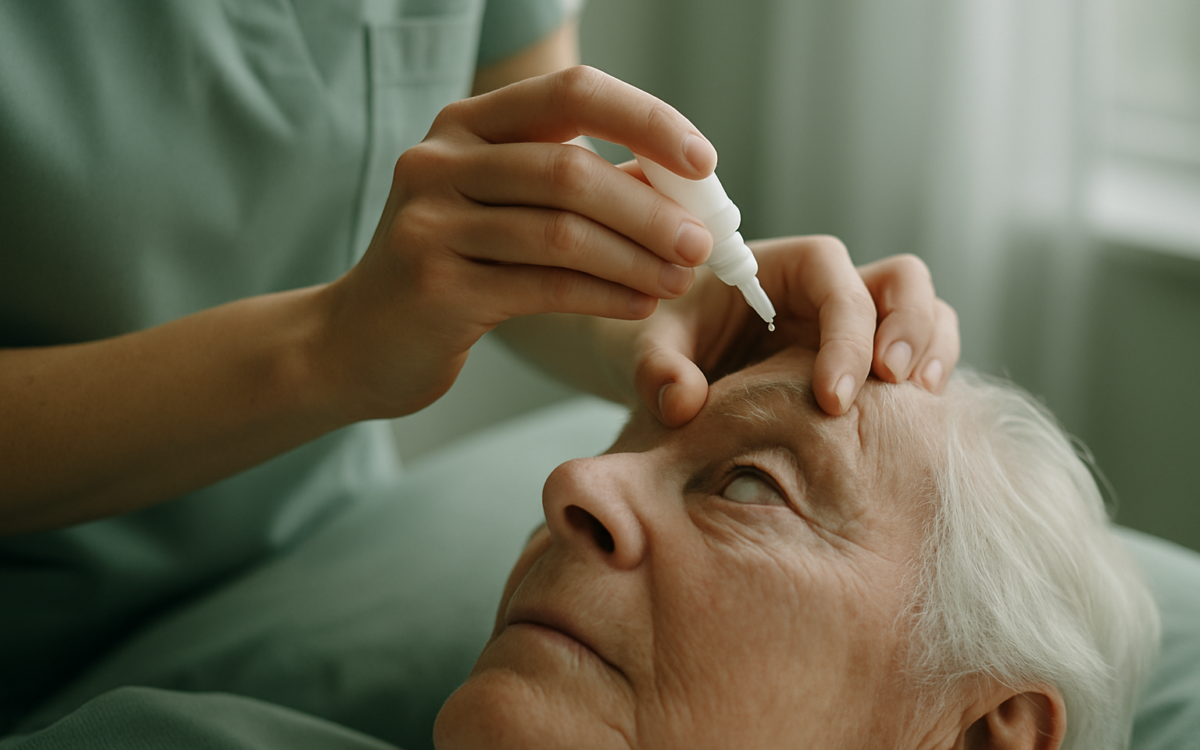
Recently, studies have shown the potential for eye drops to treat cataracts. These drops target the underlying protein changes in the lens. However, research is ongoing, and these treatments are not yet widely available. It’s essential to consult with an eye doctor for the latest options.
Living With Cataracts
Coping with cataracts can involve adjusting your daily habits. Here are some strategies to help improve your comfort and quality of life:
- Use Bright Lighting: Improve visibility at home and in public spaces by ensuring adequate lighting.
- Avoid Driving at Night: Avoid driving after dark if you experience glare from oncoming headlights or difficulty seeing.
- Engage in Vision Therapy: Some therapy programs can help improve visual skills. Speak to your doctor for recommendations.
When to See a Doctor
If you experience changes in your vision, it’s important to see an ophthalmologist as soon as possible. Regular eye exams can help detect cataracts early on, allowing for better treatment outcomes.
Conclusion
Cataracts can significantly affect your quality of life, but understanding your options is key to managing this condition. By being proactive about eye health, exploring treatment options, and maintaining a healthy lifestyle, you can take important steps towards clearer vision. Remember, if you notice any changes in your eyesight, consult with an eye care professional, who can guide you on the best solutions tailored to your needs.
