
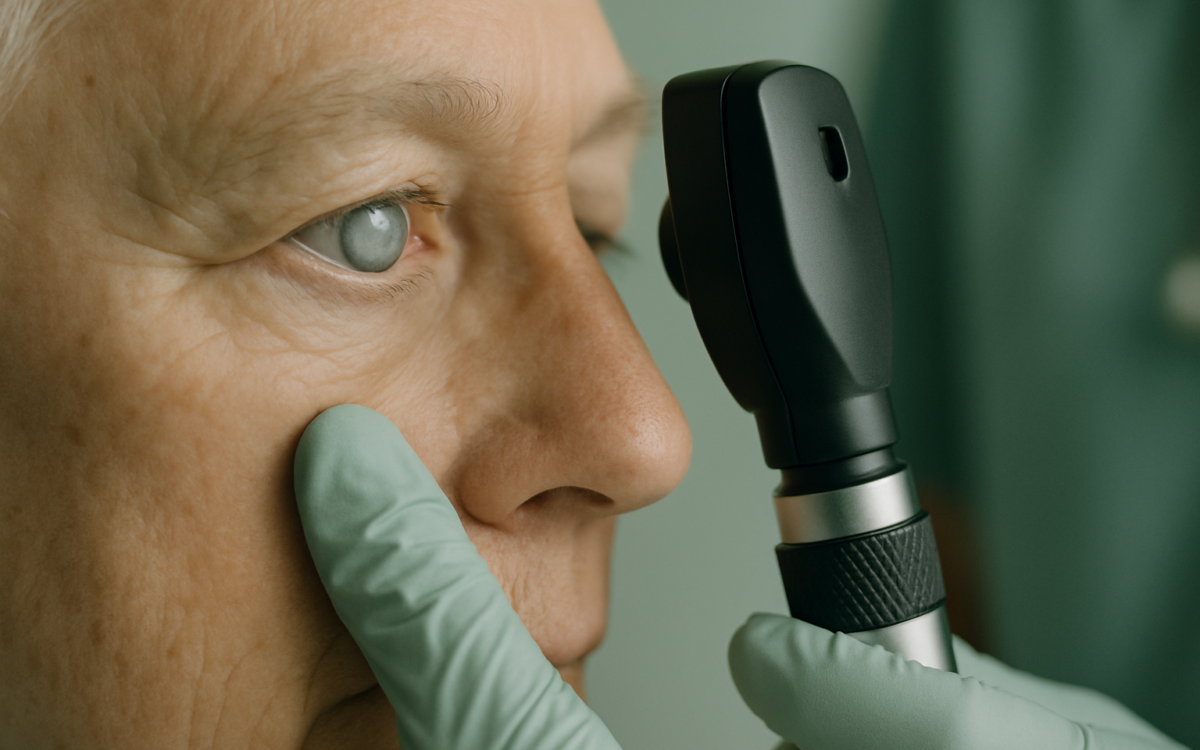
Cataracts, sometimes referred to as catrax eye, are one of the most common eye conditions that affect millions of people worldwide. In simple terms, cataracts occur when the lens of the eye becomes cloudy, leading to vision impairment. Whether it’s difficulty seeing at night, blurriness, or faded colors, cataracts can significantly impact your quality of life. This article will explore the causes, symptoms, and treatment options for cataracts, as well as when to seek medical advice.
What Are Cataracts?
Cataracts form when the proteins in the lens of your eye clump together, causing the lens to become cloudy. This process can occur naturally as part of aging, though other factors can also contribute to cataract formation. According to the National Heart, Lung, and Blood Institute, cataracts are often prevalent among older adults, but they can also develop due to various health issues or lifestyle factors.
Causes of Cataracts
Several factors can lead to the development of cataracts. Here are some of the most common causes:
- Aging: The primary cause of cataracts is aging. As you grow older, the lens of your eye becomes less flexible and the proteins within it can break down.
- Diabetes: Individuals with diabetes are at a higher risk of developing cataracts due to increased levels of glucose in the body.
- Sun Exposure: Prolonged exposure to ultraviolet (UV) rays can increase the risk of cataract formation. Wearing sunglasses can help protect your eyes.
- Smoking and Alcohol: Both smoking and excessive alcohol consumption are linked to an increased risk of cataracts.
- Family History: Genetics can play a role; if cataracts run in your family, you may be more likely to develop them.
Symptoms to Look Out For
Recognizing the symptoms of cataracts early can help in seeking timely treatment. Some common signs include:
- Blurry Vision: One of the first symptoms noticed is often distant or close objects appearing blurry.
- Difficulty with Night Vision: Many individuals find it challenging to see in low light conditions as cataracts develop.
- Faded Colors: Colors may appear less vibrant, making everything look washed out.
- Glare and Halos: Bright lights may cause glare or halos around them, making it hard to drive at night.
- Frequent Changes in Prescription: If you find yourself needing frequent updates to your glasses or contact lens prescription, cataracts could be a reason.
Diagnosing Cataracts
If you suspect you have cataracts, it’s essential to consult an eye care professional. During an eye exam, the doctor will carry out several tests:
- Visual Acuity Test: This standard eye chart test measures how well you see at different distances.
- Slit Lamp Exam: A slit lamp allows the doctor to examine the structures in your eye thoroughly.
- Retinal Examination: Using a special lens, your doctor can get a better view of the lens and retina.
Early diagnosis can lead to better control over the progression of cataracts and help maintain your vision.
Treatment Options for Cataracts
Treatment for cataracts primarily depends on the severity of the condition. Here are the common options:
- Eyeglasses or Contact Lenses: When cataract symptoms are mild, prescription glasses can help improve vision.
- Cataract Surgery: If cataracts significantly affect your daily life, surgery may be necessary. During this procedure, the cloudy lens is removed and replaced with a clear artificial lens. Cataract surgery is generally safe and effective, with a high success rate.
Before going for surgery, it’s essential to discuss the risks and benefits with your doctor, including the type of lens that best suits your needs.
Preventive Measures and Eye Health
While not all cataracts can be prevented, there are certain lifestyle choices that can help reduce the risk:
- Wear Sun Protection: Use UV-blocking sunglasses when outdoors to protect your eyes from harmful rays.
- Maintain a Healthy Diet: Eating foods rich in antioxidants, such as fruits and vegetables, can support overall eye health.
- Avoid Smoking: Quitting smoking can significantly lower your risk of developing cataracts and other eye health issues.
- Regular Eye Exams: Keep up with regular appointments to monitor your eye health and catch any potential issues early.
When to See a Doctor
If you notice any changes in your vision, such as blurriness, difficulty seeing at night, or increased sensitivity to light, it’s vital to consult an eye care professional. Although cataracts are common, timely diagnosis and treatment can prevent further vision loss.
In summary, understanding what catrax eye or cataracts are, how they develop, and recognizing their symptoms is crucial for maintaining eye health. Regular check-ups and adopting healthy lifestyle practices can go a long way in preserving your vision. While many people live with cataracts, seeking appropriate treatment when necessary is essential for a better quality of life.
