
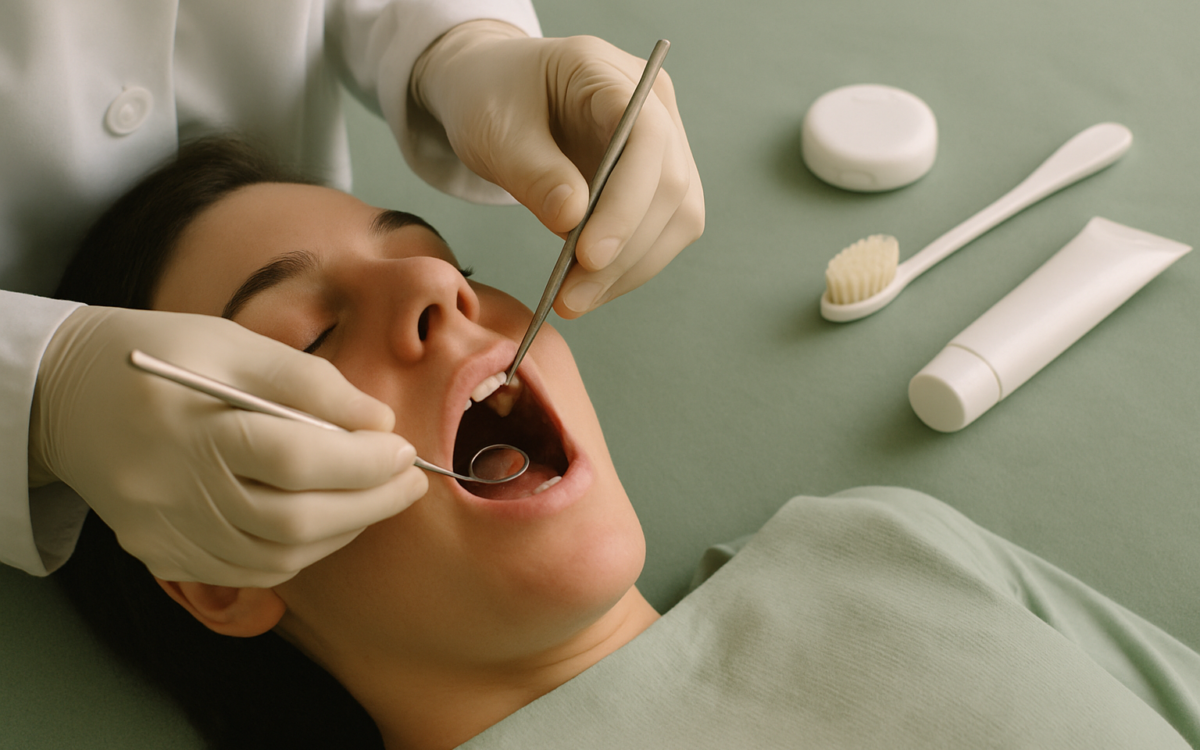
Cavities, also known as dental caries, are one of the most common health issues affecting people worldwide. They occur when the hard surface of your teeth is damaged due to acids produced by bacteria that thrive on sugars. While many individuals experience cavities at some point in their lives, understanding how to prevent them and the steps to take if they occur can help maintain your dental health and save on costly treatments.
What Are Cavities?
Cavities form when the enamel, the outer layer of your teeth, is attacked by acids. These acids are byproducts of the bacteria that live in your mouth. When you consume sugary or starchy foods, these bacteria feed on the leftover sugars and produce acids that erode tooth enamel. Over time, this leads to a hole, or cavity, in the tooth.
Symptoms of Cavities
Identifying cavities early can help prevent further damage. Here are some common symptoms:
- Toothache or pain when biting down
- Sensitivity to hot or cold foods and drinks
- Visible holes or pits in your teeth
- Staining on the surface of the teeth
- Bad breath that doesn’t go away
If you notice any of these symptoms, it’s essential to consult a dentist. Ignoring the problems can lead to more severe complications like infections or even tooth loss.
How to Prevent Cavities
Prevention is the best strategy when it comes to cavities. Here are several effective ways to keep your teeth healthy and cavity-free:
Good Oral Hygiene
Brushing your teeth twice a day with fluoride toothpaste is crucial. Fluoride helps to remineralize enamel, making it more resistant to decay. Don’t forget to floss daily, as this removes plaque and food particles stuck between your teeth where your toothbrush can’t reach.
Healthy Dietary Choices
Your diet can significantly impact your dental health. Limit sugary snacks and beverages, as sugars feed the bacteria that cause cavities. Instead, focus on a balanced diet rich in:
- Fruits and vegetables
- Whole grains
- Lean proteins
- Dairy products rich in calcium
Chewing sugar-free gum can also help, as it stimulates saliva production, which helps to neutralize acids and repair tooth enamel.
Regular Dental Check-Ups
Visiting your dentist regularly for check-ups and cleanings is essential. Your dentist can detect early signs of cavities and help you address them before they become serious issues. Professional cleanings remove plaque and tartar build-up, further reducing the likelihood of cavities.
Home Remedies and Treatments for Mild Cavities
In some initial stages of cavity formation, you may explore home remedies to reduce further decay:
Fluoride Treatments
Fluoride can be applied in higher concentrations through dental treatments or mouth rinses. This can help strengthen weakened enamel before a cavity forms. Always consult your dentist for recommendations tailored to your needs.
Oil Pulling
Some people suggest oil pulling as a home remedy to reduce bacteria buildup in the mouth. Swishing a tablespoon of coconut or sesame oil for 15-20 minutes can help remove plaque and improve oral hygiene.
International Treatment Options
If you’re seeking advanced dental treatment, consider looking into treatment in Turkey. Many international dental tourism programs offer high-quality dental care at competitive prices, along with state-of-the-art facilities and experienced dentists.
When to See a Doctor
If you experience severe tooth pain, swelling around the tooth, fever, or your symptoms persist despite good oral hygiene practices, it’s essential to see a dentist as soon as possible. Early intervention is key to preventing further deterioration of dental health.
Conclusion
Cavities are preventable and manageable when you take the right steps toward oral hygiene and regular dental check-ups. By being aware of the causes and practicing good dental care, you can keep your smile healthy and bright. Remember to consult your dentist for personalized advice and treatment options.
