
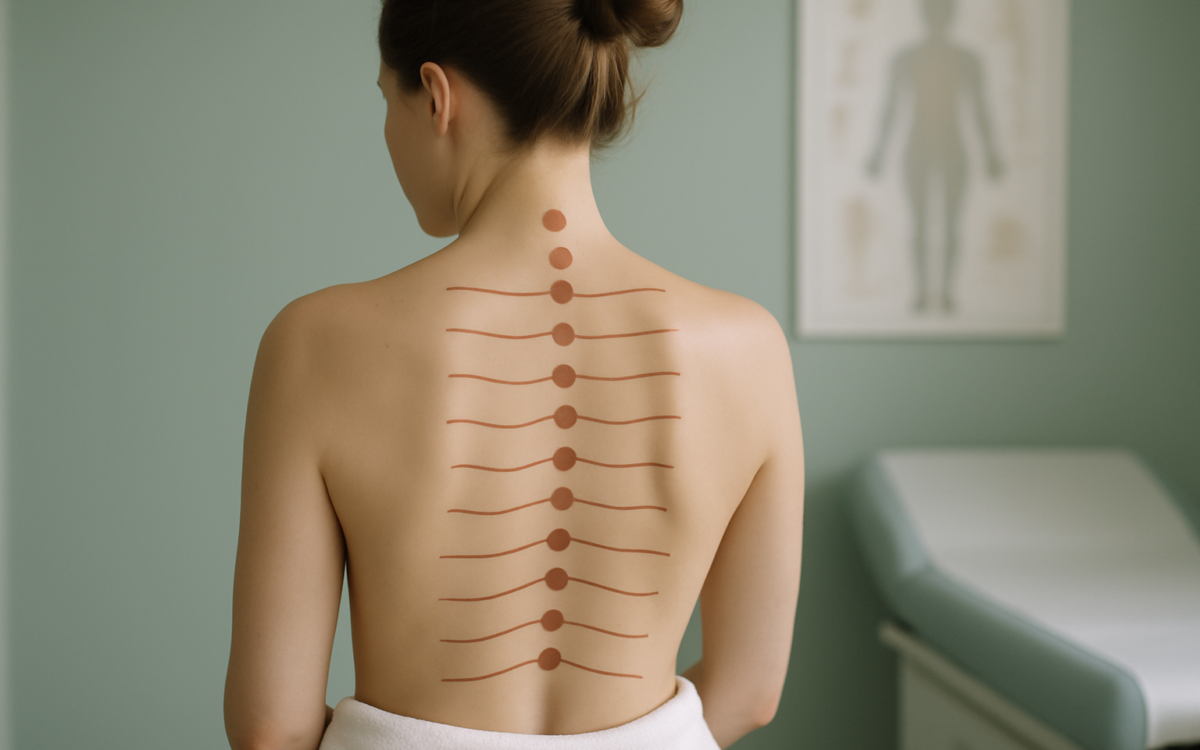
Cervical dermatomes are regions on your skin that correspond to specific spinal nerves in the neck. Understanding these areas can help you and your healthcare provider pinpoint the source of different sensations or pain. When these nerves become compressed or damaged, they can cause discomfort, numbness, or tingling in the skin areas they supply. Knowing about cervical dermatomes can empower you to better understand your health and communicate effectively with your doctor.
What are dermatomes?
Dermatomes are areas of skin that are supplied by sensory nerve fibers from a single spinal root. Our body has several dermatomes, which are mapped to various levels of the spine—cervical, thoracic, lumbar, and sacral. Each dermatome receives signals related to touch, temperature, and pain. There are approximately 30 dermatomes in the human body, with cervical dermatomes being particularly significant because they cover the head, neck, shoulders, arms, and parts of the hands.
Mapping cervical dermatomes
The cervical region of your spine is made up of seven vertebrae, labeled C1 through C7. Each of these vertebrae is connected to specific dermatomes. Here’s a brief overview of the key cervical dermatomes and their corresponding areas:
- C1: This dermatome mainly affects the scalp region.
- C2: Sensation in the back of the head.
- C3: Supplies sensation to the neck.
- C4: Covers the shoulders and upper part of the chest.
- C5: Responsible for sensation in the upper arm and shoulder.
- C6: Connects to the thumb side of the hand.
- C7: Supplies the middle finger.
- C8: Involved with sensations in the pinky finger and parts of the hand.
Why are cervical dermatomes important?
Understanding the function of cervical dermatomes is crucial for diagnosing various medical conditions. When a person experiences numbness, tingling, or pain in one of the areas corresponding to a cervical nerve, it can indicate potential issues with the cervical spine, such as herniated discs or cervical radiculopathy. Early diagnosis can lead to more effective treatment, which may include physical therapy, medications, or more advanced interventions.
Common conditions affecting cervical dermatomes
Several medical conditions can impact cervical dermatomes, leading to discomfort and other symptoms. Some common issues include:
- Cervical radiculopathy: This occurs when a spinal nerve in the neck is compressed or irritated. Symptoms can include pain radiating into the shoulder or arm, numbness, or muscle weakness.
- Herniated cervical disc: A herniated disc in the neck can compress nearby nerves, leading to symptoms such as neck pain, tingling, and weakness in the arms.
- Cervical spondylosis: Age-related wear and tear on the cervical spine can trigger pain or stiffness, sometimes affecting dermatomes in the arms or shoulders.
International treatment approaches
For those seeking advanced care for cervical issues, exploring international treatment options can be beneficial. Healthcare systems like that of Acibadem International offer a variety of specialized services. Patients may have access to innovative research, state-of-the-art procedures, and experts in cervical health. Traveling for treatment can sometimes lead to quicker resolutions for conditions like cervical radiculopathy or herniated discs, depending on the patient’s location and available services.
Living with cervical nerve issues
If you experience symptoms related to cervical dermatomes, lifestyle adjustments may aid in managing discomfort. Here are some strategies:
- Physical therapy: Working with a physical therapist can enhance mobility, strengthen muscles, and provide relief.
- Proper ergonomics: Maintain good posture and ergonomically suitable work environments to alleviate pressure on the cervical spine.
- Regular exercise: Engage in low-impact activities like walking or swimming to support spinal health.
When to see a doctor
If you experience persistent or severe symptoms such as numbness, tingling, or weakness along your arms, hands, or neck, it’s essential to consult a healthcare provider. Early assessment and diagnosis can lead to earlier interventions and potential recovery.
In conclusion, understanding cervical dermatomes is an important aspect of recognizing and addressing issues related to nerve health. By learning about the connections between specific areas of the skin and their corresponding spinal nerves, you can communicate more effectively with your healthcare provider, pinpoint problems more accurately, and take informed steps towards managing your health.
