
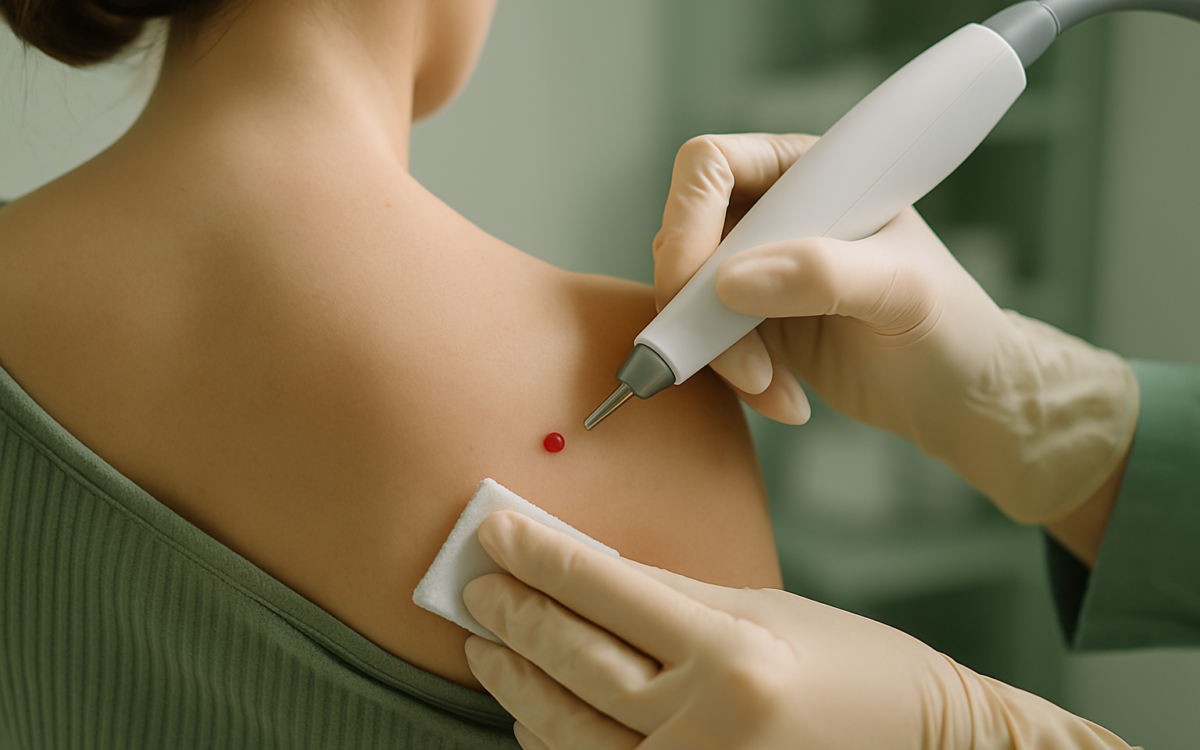
Cherry angiomas are common skin growths that can appear anywhere on the body. They are usually harmless and often don’t require treatment. However, some individuals choose to remove them for cosmetic reasons or because they become irritated. In this article, we will explore what cherry angiomas are, why people opt for their removal, the various methods available, and when it may be necessary to consult with a healthcare professional.
What Are Cherry Angiomas?
Cherry angiomas, also known as cherry hemangiomas, are benign vascular tumors made up of small blood vessels. These growths typically present as raised, red, or purple spots on the skin and may vary in size from a pinhead to several millimeters in diameter. They are most commonly found on the trunk, arms, and shoulders and are more prevalent in adults over 30.
Causes of Cherry Angiomas
The exact cause of cherry angiomas is not well understood, but several factors are believed to contribute to their development:
- Genetics: A family history of cherry angiomas may increase the likelihood of developing them.
- Age: The incidence of cherry angiomas tends to increase with age.
- Hormonal changes: Fluctuations in hormone levels, possibly due to pregnancy or hormonal therapies, may also play a role.
While cherry angiomas are benign, it’s essential to differentiate them from other skin conditions. If a red spot or growth changes in appearance, consulting a healthcare professional is recommended.
Why Consider Removal?
While many people leave cherry angiomas alone, there are several reasons one might consider removal:
- Cosmetic concerns: Some individuals feel that cherry angiomas detract from their appearance and may seek removal for aesthetic reasons.
- Irritation: If a cherry angioma is frequently irritated, for example, by clothing or jewelry, removal may be necessary.
- Uncertainty: In rare cases, an unusual growth may resemble a cherry angioma but could require further evaluation to rule out malignancy.
Ultimately, the decision to remove a cherry angioma should be made in consultation with a healthcare professional, who can assess the growth and suggest the best course of action.
Methods of Cherry Angioma Removal
There are various methods for removing cherry angiomas, each with its benefits and drawbacks:
1. Cryotherapy
This method involves freezing the cherry angioma with liquid nitrogen. The cold temperature destroys the blood vessels, leading to the growth falling off within a few days. Cryotherapy is quick and effective but may cause temporary redness and swelling.
2. Electrosurgery
Electrosurgery uses a high-frequency electrical current to remove the angioma. This method cauterizes the surrounding tissue, minimizing bleeding. Like cryotherapy, it usually requires only local anesthesia and has a quick recovery time.
3. Laser Treatment
Laser therapy employs focused light to target the blood vessels within the cherry angioma. This method is often preferred for larger growths or when multiple angiomas are present. Recovery is typically quick, but multiple sessions may be necessary for complete removal.
4. Surgical Excision
For larger or more complex cherry angiomas, surgical excision may be the best option. This procedure involves cutting out the growth and may leave a small scar. It’s usually performed under local anesthesia.
Before choosing a removal method, it’s essential to discuss the options with a qualified healthcare provider, who can offer personalized recommendations based on the specific characteristics of the cherry angioma.
Risks and Side Effects
While cherry angioma removal is usually safe, some risks and side effects may occur, including:
- Scarring: Any procedure that involves cutting or burning the skin can result in scarring.
- Infection: As with any surgical procedure, there is a risk of infection following removal.
- Change in skin color: The treated area may become lighter or darker than the surrounding skin.
It’s important to follow post-treatment care instructions provided by your healthcare provider to minimize these risks.
When to See a Doctor
If you notice any new growths on your skin or if an existing cherry angioma changes in size, color, or shape, it’s important to consult a healthcare professional. Unexplained changes can sometimes signal a need for further evaluation to rule out more serious conditions.
Conclusion
Cherry angiomas are common skin growths that can generally be left untreated unless they cause cosmetic concerns or irritation. For those considering removal, several effective methods are available, each with its risks and benefits. Understanding these can help guide decision-making and improve confidence about skin health. Always consult with a healthcare provider for personalized advice and treatment options.
