
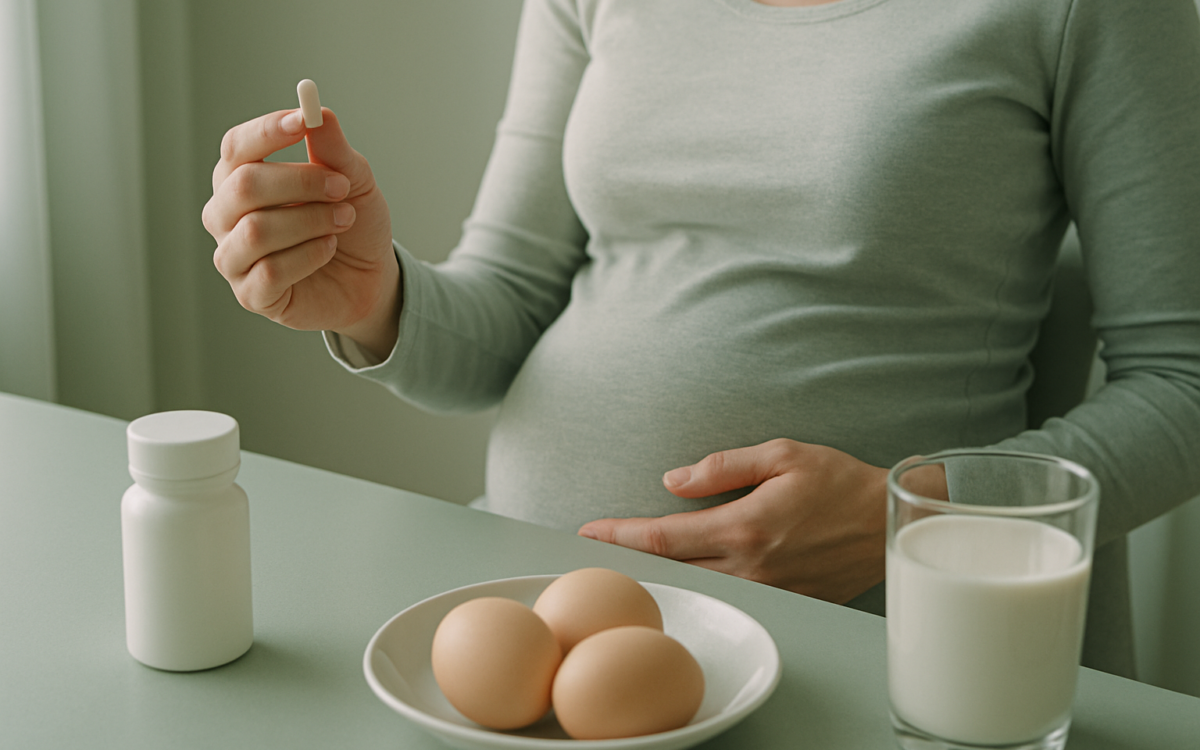
Pregnancy is an exciting time filled with numerous changes and choices, especially regarding nutrition. One nutrient that deserves your attention is choline. While it might not be as well-known as folic acid or iron, choline plays a crucial role in the development of your baby’s brain and overall health. But how much choline do you need during pregnancy, and how can you ensure you’re getting enough?
What is choline?
Choline is an essential nutrient that is similar to B vitamins. It is involved in several vital processes in the body, such as cell structure, metabolism, and neurotransmitter synthesis. It is particularly important during pregnancy because it supports fetal brain development and function. Adequate choline intake can also help reduce the risk of neural tube defects and support overall growth.
How much choline do you need during pregnancy?
The recommended dietary allowance (RDA) for choline during pregnancy is generally set at 450 mg per day. This amount is higher than for women who are not pregnant, reflecting the increased needs for fetal development. The Institute of Medicine indicates that during lactation, the requirement increases to 550 mg per day, emphasizing the importance of choline not just during pregnancy but also during breastfeeding.
Why is choline important during pregnancy?
Choline is critical for several key reasons:
- Brain Development: Choline is vital for the proper development of the brain and spinal cord. Studies have shown that adequate choline intake during pregnancy is linked to improved cognitive function in children.
- Membrane Formation: Cells are surrounded by membranes, and choline is essential for the formation of these membranes, which are important for cellular communication and function.
- Gene Regulation: Choline plays a role in the regulation of genes that are involved in fat metabolism and brain development.
- Potential Risk Reduction: Some research suggests that adequate choline intake may lower the risk of certain developmental disorders in children.
Food sources of choline
Getting enough choline from your diet is not too difficult. Here are some excellent food sources rich in choline:
- Eggs: One large egg contains approximately 147 mg of choline, making them one of the best sources.
- Meat: Beef and chicken are both good sources of choline.
- Fish: Salmon and other fatty fish also provide a healthy amount of choline.
- Dairy Products: Milk, yogurt, and cheese can contribute to your choline intake.
- Legumes and Nuts: Foods like soybeans, kidney beans, and peanuts contain choline as well.
- Whole Grains: Some whole grains have moderate amounts of choline.
Tips to increase choline intake
If you are looking to boost your choline intake during pregnancy, consider these practical tips:
- Start your day with a hearty breakfast that includes eggs or a smoothie with dairy and nuts.
- Add legumes or beans to salads and soups for an easy choline booster.
- Opt for whole grains like quinoa or barley, which can add both fiber and choline to your meals.
- Include fish in your weekly menu, aiming for those rich in omega-3 fatty acids.
- If needed, consider discussing choline supplementation with your healthcare provider.
Are there any risks from too much choline?
While choline is essential, it is also important not to consume it in excessive amounts. High intakes of choline can lead to side effects such as low blood pressure, sweating, fishy body odor, and gastrointestinal distress. The tolerable upper intake level (UL) for choline is set at 3,500 mg per day for adults, but this is much higher than the needs of most pregnant women. Always consult your healthcare provider if you have concerns about your choline levels.
When to see a doctor
If you are uncertain about your choline intake or have questions about your dietary needs during pregnancy, it is a good idea to consult with your healthcare provider or a registered dietitian. They can provide personalized recommendations based on your individual health and dietary habits.
In summary, choline is a vital nutrient that should not be overlooked during pregnancy. With the right knowledge about how much you need and where to find it, you can support your baby’s development and your own health through adequate choline intake.
