
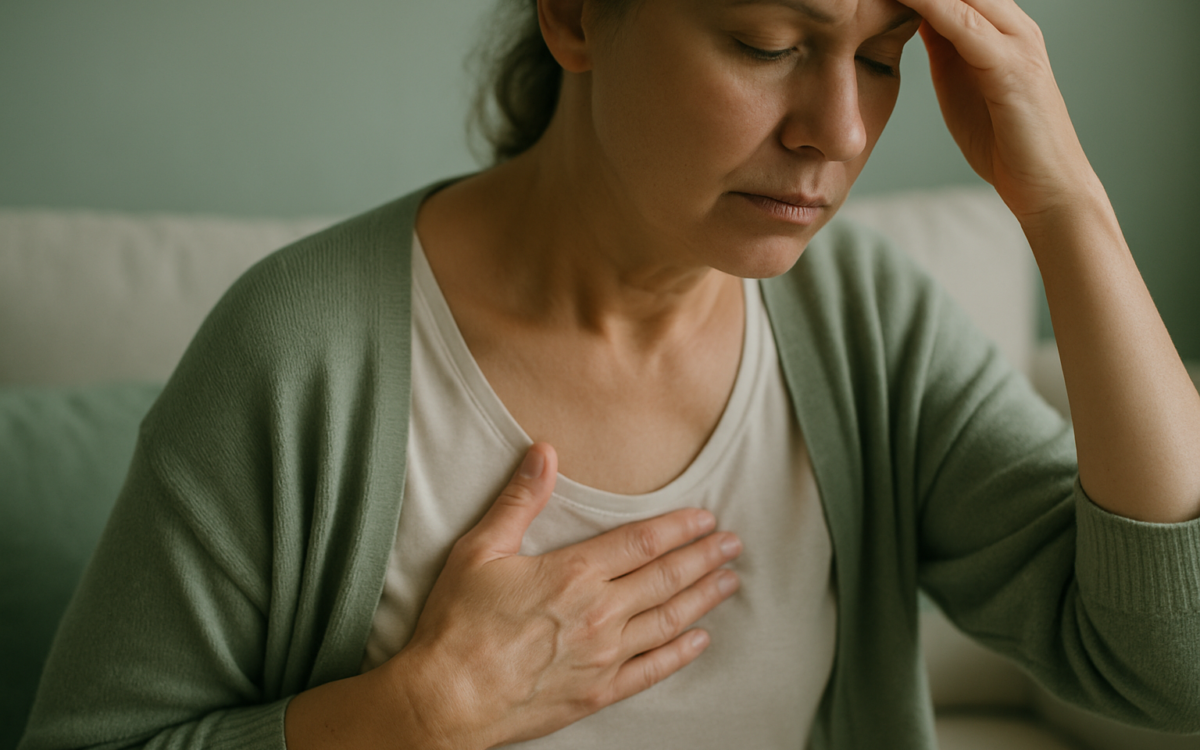
Climacterium, often referred to as the climacteric phase, marks a significant transition in a woman’s life as she approaches menopause. This period can bring about various physical and emotional symptoms due to hormonal fluctuations. While every woman’s experience is unique, understanding the common symptoms can empower you to better manage this phase of life.
What is the Climacterium?
The climacterium is the time leading up to and following menopause, characterized by a gradual decline in a woman’s estrogen levels. Menopause is defined as having occurred when a woman has not had a menstrual period for 12 consecutive months. This transitional phase can start in a woman’s late 30s to early 50s and typically lasts several years. During this period, many women experience various climacterium symptoms.
Common Climacterium Symptoms
As women undergo this transition, they may encounter a range of symptoms. Some of the most common include:
- Hot Flashes: Sudden feelings of heat, often accompanied by sweating. Hot flashes can vary in intensity and frequency.
- Night Sweats: Hot flashes that occur during sleep, often leading to disrupted sleep patterns.
- Irregular Periods: Changes in menstrual cycle length, flow, and frequency.
- Mood Swings: Emotional fluctuations, anxiety, and irritability can become more pronounced during this time.
- Vaginal Dryness: Decreased estrogen levels can lead to less natural lubrication, causing discomfort during intercourse.
Physical Changes During Climacterium
With the decline in estrogen, a woman’s body experiences several physical changes. It’s important to recognize and understand these changes:
- Weight Gain: Shifts in hormones can affect metabolism, leading to weight gain in some women.
- Changes in Hair and Skin: Some may notice thinning hair, reduced skin elasticity, and increased dryness.
- Bone Density Loss: Reduced estrogen can contribute to bone thinning, increasing the risk of osteoporosis.
Emotional Repercussions
While many women focus on the physical aspects of climacterium, emotional symptoms are equally significant. The hormonal shifts can lead to mood swings, anxiety, and even depression. These feelings are often compounded by life stressors such as family dynamics, career demands, and aging. Recognizing these emotional changes is crucial for seeking support and treatment.
Strategies for Managing Symptoms
There are various strategies that women can adopt to help manage the symptoms associated with climacterium:
- Lifestyle Changes: Regular physical activity, a well-balanced diet, and maintaining a healthy weight can mitigate some symptoms.
- Stress Management: Mindfulness practices, yoga, and meditation can help reduce stress and improve mental well-being.
- Support Networks: Connecting with friends, support groups, or mental health professionals can provide comfort and share coping strategies.
- Medical Treatments: Some women may consider hormone therapy or other medications to manage more severe symptoms. It’s important to consult a healthcare provider for personalized advice.
Seeking Professional Help
Understanding when it’s time to seek medical help during climacterium is crucial. If symptoms like severe mood swings, debilitating hot flashes, or significant changes in sleep patterns interfere with your daily life, it is a good idea to consult with a healthcare professional. They can help assess your symptoms and recommend appropriate treatments. For more information on managing menopause and climacterium symptoms, consider exploring resources from the Mayo Clinic and the World Health Organization.
Conclusion
The climacterium is a natural life phase that marks the transition into menopause. While it can bring a variety of symptoms, understanding and preparing for these changes can make the journey more manageable. Whether through lifestyle adjustments, emotional support, or medical treatments, women can navigate this transition with grace and resilience.
