
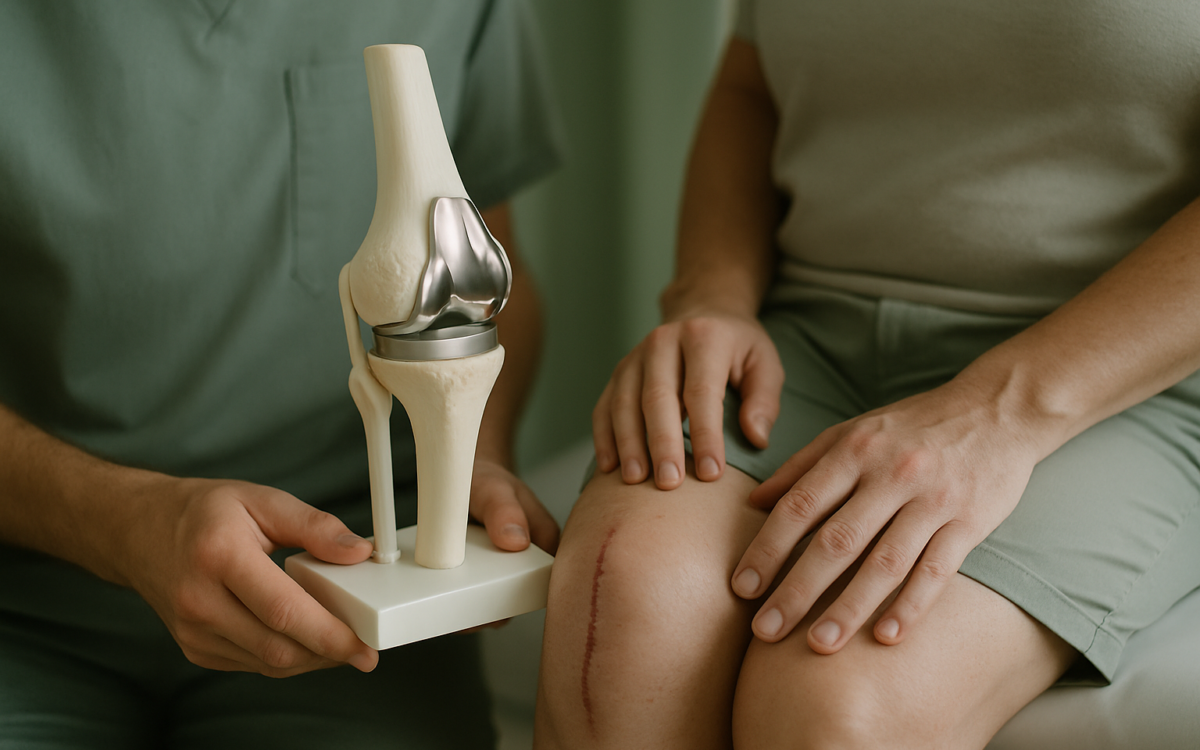
Knee pain can significantly affect daily activities, making simple tasks difficult or even impossible. For many, the journey to relieve this pain might lead to the option of a complete knee joint replacement. This surgery can restore mobility, reduce pain, and improve quality of life for those suffering from severe knee problems.
What is complete knee joint replacement?
Complete knee joint replacement, also known as total knee arthroplasty, is a surgical procedure that replaces damaged portions of the knee with artificial components. This treatment is usually recommended for individuals suffering from chronic knee pain due to conditions like osteoarthritis, rheumatoid arthritis, or post-injury damage.
The surgery involves removing the damaged cartilage and bone from the knee joint and replacing it with metal and plastic parts designed to mimic the natural structure and function of a healthy knee. According to the National Institutes of Health, this procedure has a high success rate and can significantly relieve pain and restore function.
Who needs a knee joint replacement?
Not everyone with knee pain will require a complete joint replacement. Candidates typically include individuals who have:
- Persistent pain that limits daily activities
- Not responded to satisfactory relief from medications or physical therapy
- Significant knee deformity or instability
- A decrease in quality of life due to knee problems
A thorough evaluation by an orthopedic surgeon is essential to determine if knee joint replacement is the best option. They will assess your medical history, conduct a physical examination, and may suggest imaging tests to understand the knee’s condition better.
Benefits of complete knee joint replacement
Undergoing knee joint replacement can lead to numerous benefits, including:
- Improved mobility: Many patients experience a significant increase in knee flexibility, allowing them to return to activities they previously enjoyed.
- Pain relief: One of the most common reasons for having this surgery is to alleviate the chronic pain caused by damaged knee joints.
- Enhanced quality of life: With less pain and improved function, individuals often find their overall sense of well-being greatly improves post-surgery.
- Long-lasting results: Many knee replacements can last 15 years or more, depending on factors like patient activity level and adherence to post-operative care.
According to the Mayo Clinic, these benefits can lead to a more active lifestyle and a return to normal routines, which is often closely associated with improved mental health.
The knee replacement process
The complete knee joint replacement procedure typically follows these steps:
- Preparation: Before surgery, patients undergo medical evaluations to ensure they are fit for the operation. This may include pre-operative tests, discussions about anesthesia, and instructions for the day of surgery.
- Surgery: The operation is performed under general or regional anesthesia and can take 1 to 2 hours. The surgeon makes an incision in the knee to access the joint, removes damaged parts, and installs the prosthesis.
- Recovery: After the surgery, patients usually spend a few days in the hospital. Rehabilitation begins almost immediately, focusing on gradual mobility and strength-building exercises.
- Long-term care: Follow-up appointments will monitor the healing process, and physical therapy may continue at home or an outpatient center.
Understanding what to expect during each stage can help patients feel more prepared for the experience, reduce anxiety, and foster a positive outlook for recovery.
Potential risks and considerations
As with any surgery, complete knee joint replacement comes with its risks. Some potential complications include:
- Infection at the surgical site
- Blood clots in the legs or lungs
- Joint stiffness or continued pain
- Prosthesis-related issues, such as looseness or wear over time
Discussing these risks with a healthcare provider is crucial, as they can provide personalized advice and information to address concerns.
When to see a doctor
If you experience ongoing knee pain that affects your daily activities, it may be time to consult a doctor. Other reasons to seek medical advice include:
- Swelling or stiffness that doesn’t improve with rest
- Difficulty walking or climbing stairs
- Persistent pain despite treatment
Early intervention can lead to better management of knee issues and may even delay the need for surgery.
Conclusion
Complete knee joint replacement can be a life-changing procedure for those suffering from severe knee issues. It offers the potential for pain relief and improved mobility, enabling individuals to reclaim their lives. If you think you might be a candidate for this surgery, reach out to a healthcare provider to discuss your options and determine the best course of action for your health.
