
Imagine being able to eat your favorite foods without worry or smile with confidence again. For many, complete mouth dental implants can make that dream a reality. This innovative procedure provides a stable, long-lasting solution for individuals facing significant tooth loss. In this article, we’ll dive into what complete mouth dental implants are, their benefits, how the process works, and important considerations to keep in mind.
What Are Complete Mouth Dental Implants?
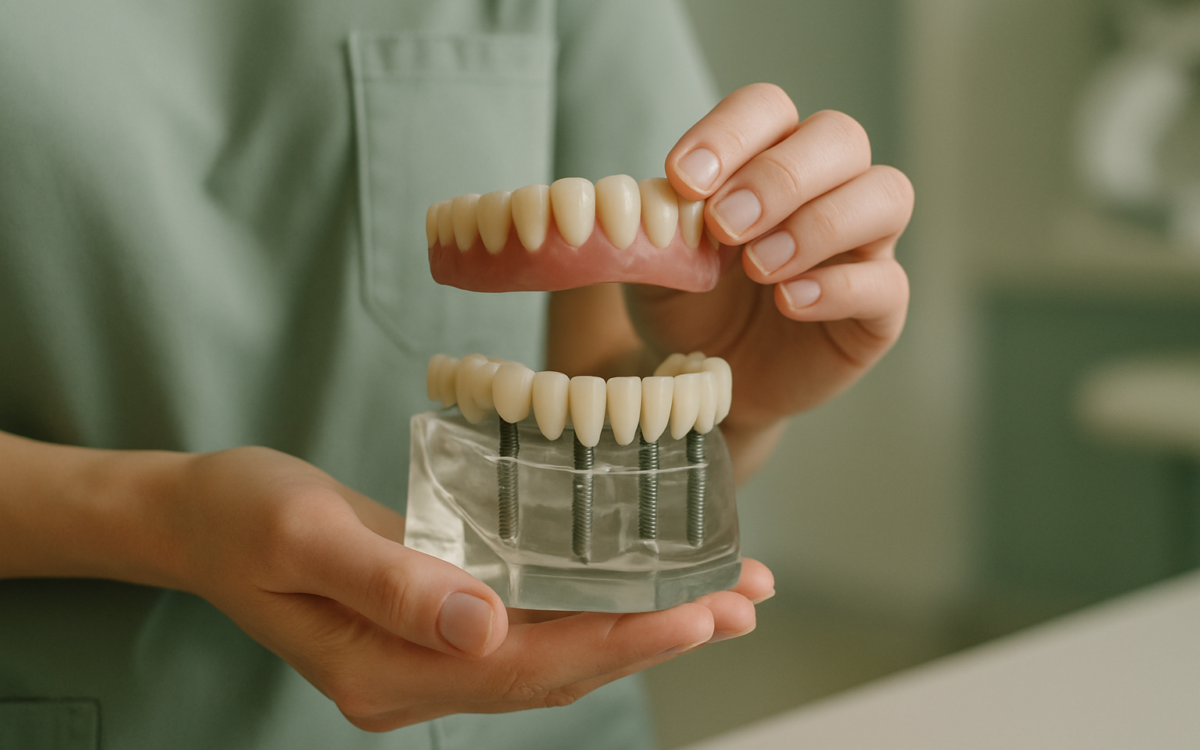
Complete mouth dental implants, often referred to as full-arch implants or implant-supported dentures, are a type of dental restoration designed for those who have lost most or all of their teeth. Instead of relying on traditional dentures that can slip or cause discomfort, full-arch implants use a series of titanium implants placed directly into the jawbone. A set of artificial teeth is then anchored to these implants, providing a stable and secure solution.
Benefits of Complete Mouth Dental Implants
- Restoration of Function: These implants allow individuals to chew and bite into food with ease, greatly improving their quality of life.
- Enhanced Aesthetics: Full-arch implants can significantly enhance facial appearance by restoring the natural contour of the face.
- Permanent Solution: Unlike traditional dentures, which require frequent adjustments and replacements, dental implants are designed to be a long-term solution.
- Bone Preservation: Implants help stimulate the jawbone, preventing bone loss that often occurs after tooth loss.
- Improved Speech: With a stable set of teeth, individuals can speak more clearly without the worry of dentures slipping.
Who Is a Good Candidate?
While many people can benefit from complete mouth dental implants, there are certain criteria that need to be met. Generally, good candidates:
- Have lost most or all of their teeth.
- Have healthy gums and sufficient bone density to support the implants.
- Are non-smokers or willing to quit smoking, as it can hinder the healing process.
- Are committed to maintaining proper oral hygiene.
Before proceeding, your dentist or oral surgeon will conduct a thorough evaluation, including imaging tests, to determine if you are a suitable candidate.
The Implant Process Explained
The process of getting complete mouth dental implants typically involves several steps:
Initial Consultation
The journey starts with an initial consultation. Your dentist will assess your oral health, take x-rays, and discuss your medical history. This is also a great opportunity to voice any concerns you may have and to learn about the procedure.
Implant Placement
During a surgical procedure, titanium implants are inserted into the jawbone through the gums. This usually takes a few hours and is performed under local anesthesia. After the implants are placed, a healing period of several months is required to allow the bone to fuse with the implants, a process known as osseointegration.
Abutment Placement
Once the implants have fused with the jawbone, a second minor surgery is performed to place abutments on each implant. Abutments are the connectors that hold the artificial teeth in place.
Final Restoration
After the gums have healed, your dentist will attach the final restoration — a custom-made set of artificial teeth designed to resemble your natural smile. This step may also involve adjustments to ensure comfort and functionality.
Post-Procedure Care
After receiving complete mouth dental implants, proper care is crucial for a successful outcome. Here are some tips for maintaining your new smile:
- Practice excellent oral hygiene by brushing at least twice a day and flossing daily.
- Visit your dentist regularly for check-ups and professional cleanings.
- Avoid chewing on hard objects, like ice or hard candies, to protect your new implants.
- Follow any specific care instructions provided by your dentist.
By maintaining good oral hygiene and following aftercare recommendations, many people enjoy their implants for years, even decades.
Potential Risks and Considerations
Like any surgical procedure, getting dental implants carries certain risks. Some potential complications include:
- Infection: After surgery, the implant site can become infected, which could jeopardize the implant.
- Nerve Damage: In some cases, implants can damage nearby nerves, leading to pain, numbness, or tingling.
- Sinus Issues: Depending on implant placement, it may extend into the sinus cavities, leading to sinus problems.
- Failed Integration: In some instances, the implant may not fuse properly with the bone, leading to failure.
Discussing these potential risks with your dentist is important so you can weigh the pros and cons of the procedure.
When to See a Doctor
If you are experiencing dental issues such as severe tooth loss, gum disease, or chronic dental pain, it’s time to consult your dentist to explore options like complete mouth dental implants. A professional evaluation can help determine your eligibility and guide you toward the best solution for your oral health.
In conclusion, complete mouth dental implants are a remarkable solution for those who have lost most or all teeth. With their numerous benefits and transformative potential, they can restore not only function and aesthetics but also confidence and quality of life. If you think this might be a viable option for you, reach out to your dental provider for an assessment and guidance.
