
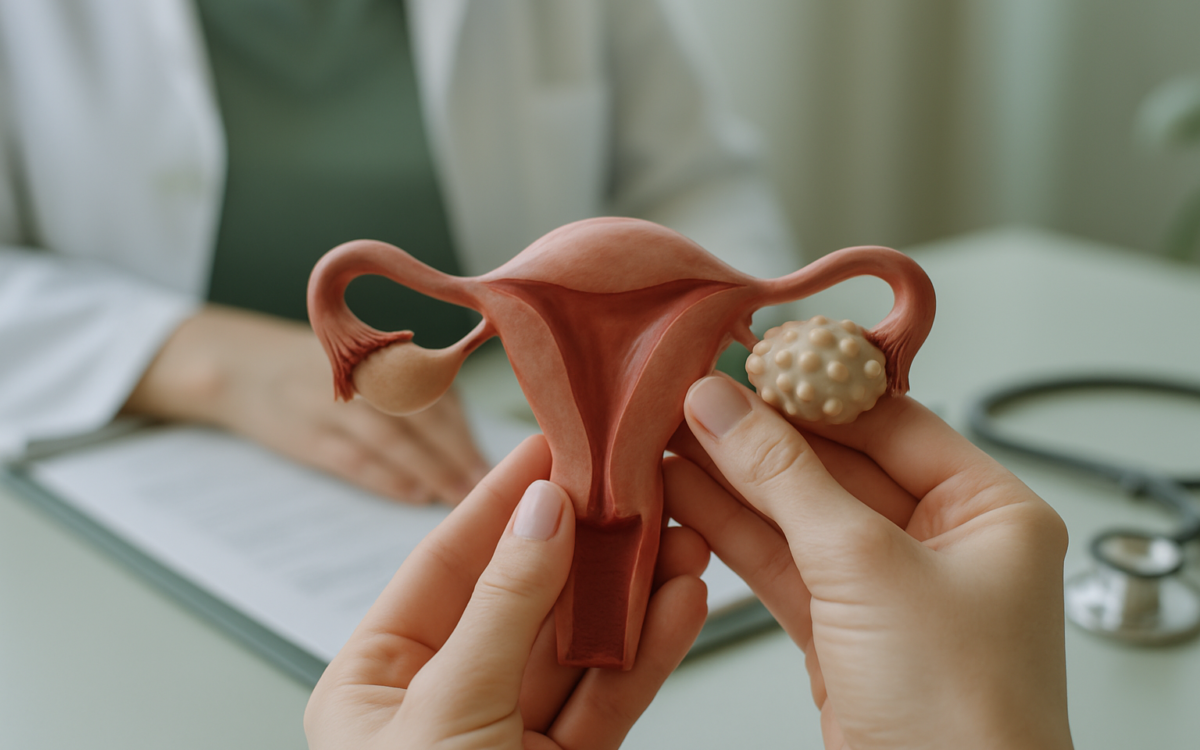
Cyst polycystic ovarian syndrome (PCOS) is a common health issue that affects many women around the world. This complex condition can lead to a range of symptoms and challenges, including hormonal imbalances, irregular menstruation, and difficulties with fertility. Understanding what PCOS is, its symptoms, causes, and potential treatments is essential for managing this condition effectively.
What is Cyst Polycystic Ovarian Syndrome?
PCOS is a hormonal disorder that occurs during a woman’s reproductive years, often during their late teens to early 20s. Women with PCOS develop multiple cysts on their ovaries, which are small fluid-filled sacs. While having cysts is common, PCOS is more than just the presence of cysts; it is categorized by a combination of symptoms related to hormone levels.
Common Symptoms of PCOS
Women with PCOS may experience a variety of symptoms, which can vary widely from one individual to another. Some of the most common symptoms include:
- Irregular or absent periods
- Excess hair growth on the face and body (hirsutism)
- Acne or oily skin
- Weight gain
- Thinning hair or hair loss on the scalp
- Darkening of the skin, particularly in the neck, groin, and under breasts
While these symptoms can be uncomfortable and distressing, identifying them early can aid in effective management. Many women with PCOS struggle with their self-esteem and body image, which adds an additional layer of complexity to this condition.
Causes and Risk Factors of PCOS
The exact cause of PCOS is not fully understood, but several factors may contribute to its development. Some of the known factors include:
- Genetics: A family history of PCOS can increase the likelihood of developing the condition.
- Hormonal Imbalance: Women with PCOS often have higher than normal levels of androgens, which are male hormones. This imbalance can interfere with ovulation.
- Insulin Resistance: Many women with PCOS also experience insulin resistance, which can lead to higher insulin levels that may increase androgen production.
Being overweight or obese can exacerbate these factors, but it’s important to note that PCOS can affect women of all body types.
Diagnosis of PCOS
Diagnosing PCOS typically involves a comprehensive evaluation by a healthcare provider. This includes:
- A discussion of symptoms and medical history.
- A physical examination.
- Blood tests to measure hormone levels and assess blood sugar levels.
- An ultrasound to look for cysts on the ovaries.
These assessments help ensure that the diagnosis is accurate and rule out other conditions with similar symptoms.
Treatment Options for PCOS
Managing PCOS often requires a multi-faceted approach tailored to the individual’s specific symptoms and health goals. Treatment options may include:
- Lifestyle Changes: Regular exercise and a healthy diet can help manage weight and reduce insulin levels, which may reduce symptoms.
- Medications: Hormonal contraceptives, such as birth control pills, can regulate menstrual cycles and reduce symptoms like excess hair growth and acne. Other medications, such as metformin, can help with insulin resistance.
- Fertility Treatments: For women seeking to become pregnant, medications to induce ovulation can be prescribed.
- Supportive Therapies: Counseling or support groups can be beneficial in addressing emotional challenges associated with PCOS.
Some women may also explore treatment in Turkey for advanced methods or a more holistic approach, which may offer unique resources and support systems tailored to their needs.
Complications Associated with PCOS
PCOS can lead to various complications if left untreated. Some potential health risks include:
- Infertility: Difficulty in conceiving a child is a common concern for women with PCOS.
- Metabolic syndrome: This includes conditions like high blood pressure, high blood sugar, and abnormal cholesterol levels, increasing the risk of heart disease and diabetes.
- Endometrial cancer: Women with irregular menstruation are at a higher risk for this type of cancer due to prolonged exposure to estrogen.
Being aware of these potential complications can encourage women to seek proactive management of their health.
When to See a Doctor
If you suspect you have PCOS or are experiencing symptoms related to hormonal imbalance or irregular periods, it’s essential to consult a healthcare provider. Early diagnosis and intervention can make a significant difference in managing symptoms and preventing complications.
Conclusion
Cyst polycystic ovarian syndrome is a complex condition that can significantly impact a woman’s life. Understanding its symptoms, causes, and treatment options empowers women to take control of their health. With proper diagnosis and management, individuals with PCOS can lead healthy, fulfilling lives.
