
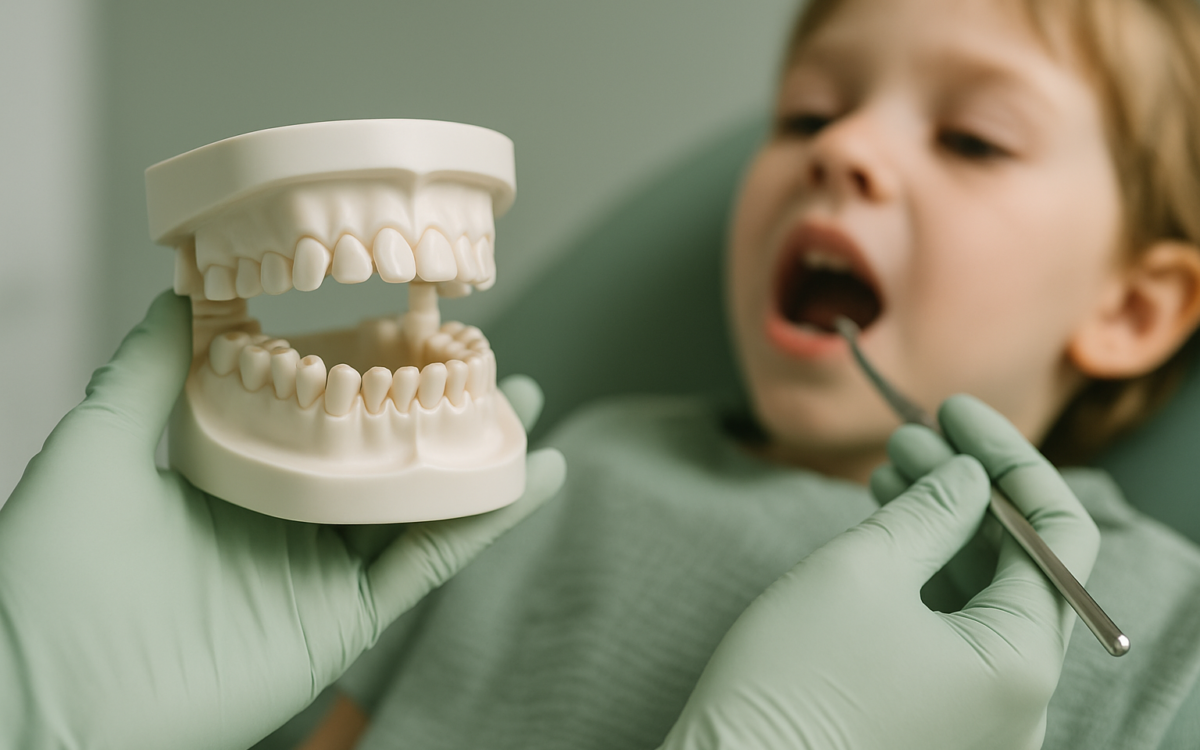
The journey of dental health begins early in life, often before a child’s first birthday. Deciduous teeth, commonly known as baby teeth, are the first set of teeth to develop in children. While these teeth are temporary, they serve essential functions in development and set the stage for the permanent teeth that will follow. Understanding deciduous teeth is crucial for parents as they guide their child’s dental care and ensure a healthy start to lifelong oral hygiene.
What Are Deciduous Teeth?
Deciduous teeth are the first set of teeth that emerge in children, typically beginning around six months of age and lasting until about age twelve. There are a total of 20 deciduous teeth, which include:
- Central incisors (4)
- Lateral incisors (4)
- Cuspids (canines) (4)
- First molars (4)
- Second molars (4)
The development of these teeth is crucial, as they help children chew food properly, form words, and maintain space in the mouth for future permanent teeth.
The Importance of Deciduous Teeth
Even though they are temporary, deciduous teeth serve several vital functions:
- Crowding and spacing: They act as placeholders for permanent teeth, guiding their proper alignment.
- Development: Deciduous teeth help in the development of proper speech and eating habits.
- Self-esteem: A healthy smile can boost a child’s confidence and self-image.
Without proper care, premature loss or decay of these teeth can lead to complications such as misalignment of permanent teeth, difficulties in speech, and problems with eating.
Caring for Deciduous Teeth
It’s essential for parents to establish a good oral hygiene routine from the moment the first tooth appears. Here are some tips for caring for deciduous teeth:
Start Early
Begin cleaning your child’s teeth as soon as they erupt. Use a soft, damp cloth for infants and move to a small, soft-bristled toothbrush with water as they grow.
Fluoride Toothpaste
Once your child reaches age two, introduce fluoride toothpaste, but make sure to supervise their brushing to prevent swallowing toothpaste. A pea-sized amount is generally enough.
Regular Dental Visits
Schedule your child’s first dental visit by age one. Regular check-ups help monitor the development of deciduous teeth and allow for early intervention if issues arise.
Healthy Diet
A balanced diet with limited sugar intake is key. Foods rich in calcium, phosphorus, and vitamins will support healthy teeth.
Common Issues with Deciduous Teeth
Deciduous teeth can encounter various problems. Here are some common issues parents should watch for:
Cavities
Cavities can occur in baby teeth due to poor dental hygiene or excessive sugar consumption. It’s essential to treat cavities in deciduous teeth to prevent pain and complications.
Eruption Issues
Sometimes, there can be delays or problems with the eruption of deciduous teeth. If a child hasn’t started teething by age one, it’s advisable to consult a dentist.
Early Extractions
If a tooth is severely decayed or injured, a dentist may recommend extraction. This should be carefully managed to avoid misalignment of the permanent teeth.
The Transition to Permanent Teeth
Deciduous teeth usually begin to fall out around age six, making way for permanent teeth. This transition can be surprising for both parents and children, but it’s a natural part of dental development. It’s essential to encourage children to maintain good habits, even as their teeth change. Parents can help by:
- Explaining the process in a positive light to ease any fears.
- Reinforcing the importance of continued dental hygiene.
- Providing healthy snacks and meals that promote strong teeth.
Deciduous Teeth in an International Context
While basic dental care principles are universal, access to dental services for deciduous teeth can vary worldwide. In some regions, families may face barriers to accessing quality dental care due to economic conditions or healthcare infrastructure limitations. For those seeking information on international dental treatments or specialists, resources like acibademinternational.com can offer valuable insights.
When to See a Doctor
It’s important to consult a dentist if you notice any of the following signs:
- Visible discoloration or spots on the teeth.
- Pain in your child’s mouth.
- Persistent bad breath despite good hygiene.
- Delays in tooth eruption after age one.
Early intervention can prevent serious issues and help maintain your child’s dental health.
In conclusion, deciduous teeth lay the groundwork for a lifetime of healthy smiles. Understanding their significance, caring for them properly, and recognizing potential issues can help ensure that children make a smooth transition to their permanent teeth, leading to better oral health for years to come.
