
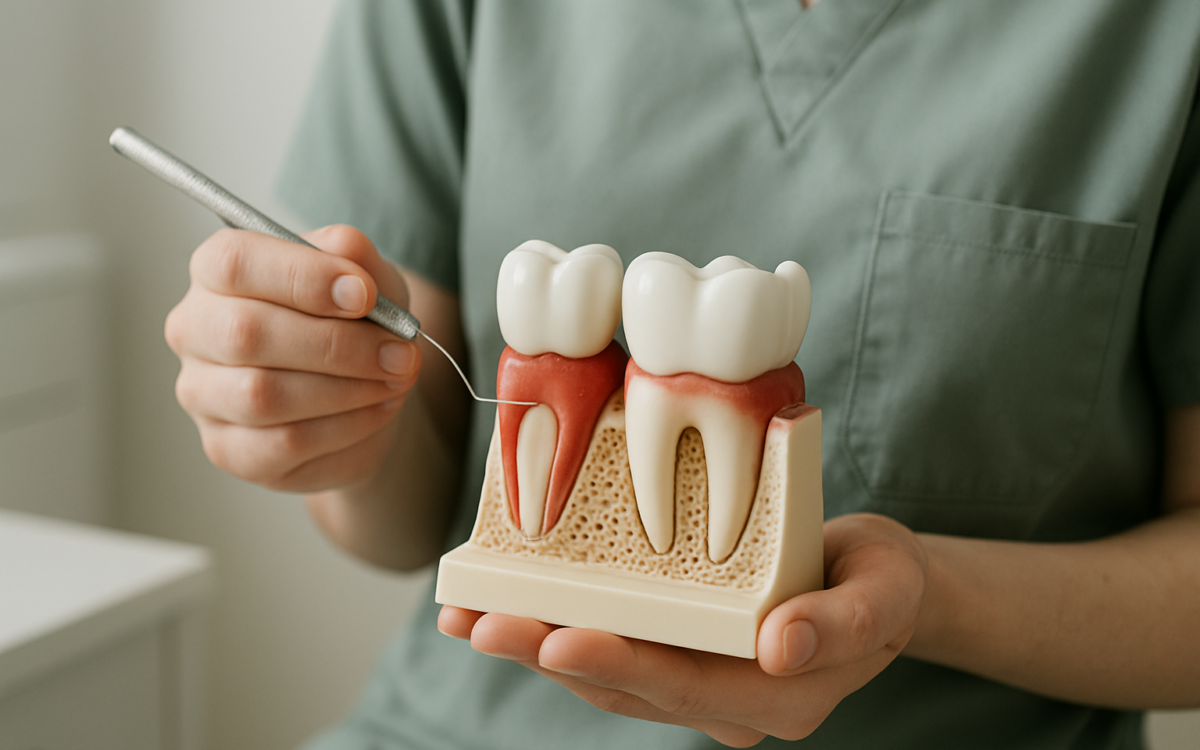
Dental bone loss is a serious concern that affects many individuals, often without them realizing it. The bones in your jaw play an essential role in supporting your teeth, and when these bones weaken, it can lead to various oral health problems. Understanding the causes, effects, and prevention methods can help maintain a healthy smile.
What is dental bone loss?
Dental bone loss refers to the deterioration of the jawbone that holds teeth in place. This can occur due to various factors, including aging, gum disease, tooth loss, or certain medical conditions. When the bone surrounding the teeth deteriorates, it can cause teeth to become loose and even lead to tooth loss over time.
Causes of dental bone loss
Several factors contribute to dental bone loss:
- Periodontal disease: This is one of the leading causes of dental bone loss. It begins as gum inflammation (gingivitis) and can progress to a more severe infection that affects the bone structure supporting teeth.
- Tooth loss: Missing teeth can create gaps in the jawbone where the bone may begin to resorb or weaken due to lack of stimulation.
- Aging: As we age, our bones naturally lose density, including the jawbone that supports our teeth.
- Hormonal changes: Conditions such as osteoporosis, particularly in postmenopausal women, can lead to weakened bone structure, including in the jaw.
- Medical conditions: Certain diseases, such as diabetes or cancer, can affect bone health and density.
Effects of dental bone loss
The consequences of dental bone loss can have significant impacts on your oral health and overall well-being:
- Tooth mobility: As the bone weakens, teeth can become unstable, leading to discomfort and difficulty eating.
- Esthetic changes: Shrinking bone can change the shape of your face and jawline, affecting your appearance and self-esteem.
- Risk of further tooth loss: The more bone loss occurs, the higher the risk becomes for losing more teeth, creating a cycle that can lead to severe dental issues.
- Difficulty with dentures: For those who wear dentures, bone loss can make it challenging to maintain a proper fit, causing discomfort.
How to prevent dental bone loss
Maintaining good oral hygiene and adopting healthy habits can help prevent dental bone loss:
- Regular dental check-ups: Visit your dentist at least twice a year for preventive care. Routine cleanings help control plaque and tartar buildup that contributes to periodontal disease.
- Maintain oral hygiene: Brush at least twice a day with fluoride toothpaste and floss daily. This helps reduce the risk of gum disease.
- Healthy diet: Consume a balanced diet rich in calcium and vitamin D to support bone health. Foods such as dairy products, leafy greens, and fortified cereals can be beneficial.
- Avoid tobacco: Smoking is a significant risk factor for gum disease and subsequent bone loss. Quitting can substantially improve oral health.
- Consider dental treatments: If tooth loss occurs, replacement options such as dental implants can help stimulate the jawbone and prevent further loss.
International treatment perspectives
In some cases, individuals may explore treatment options beyond their home country to address dental bone loss. Clinics like acibademinternational.com offer various advanced dental treatments, including bone grafting and dental implants, which are effective in restoring lost bone and teeth. It’s essential to research the qualifications and treatments offered by international providers before making a decision.
When to see a doctor
If you are experiencing loose teeth, painful gums, or changes in your jawline, it’s essential to consult your dentist. Early intervention can prevent further bone loss and more serious dental issues. Regular dental visits can also catch potential problems before they worsen.
Conclusion
Dental bone loss is a significant issue that requires attention for maintaining oral health. By understanding its causes, effects, and prevention strategies, individuals can take steps to safeguard their smiles. Remember, consulting a healthcare professional can provide personalized guidance and treatment options.
