
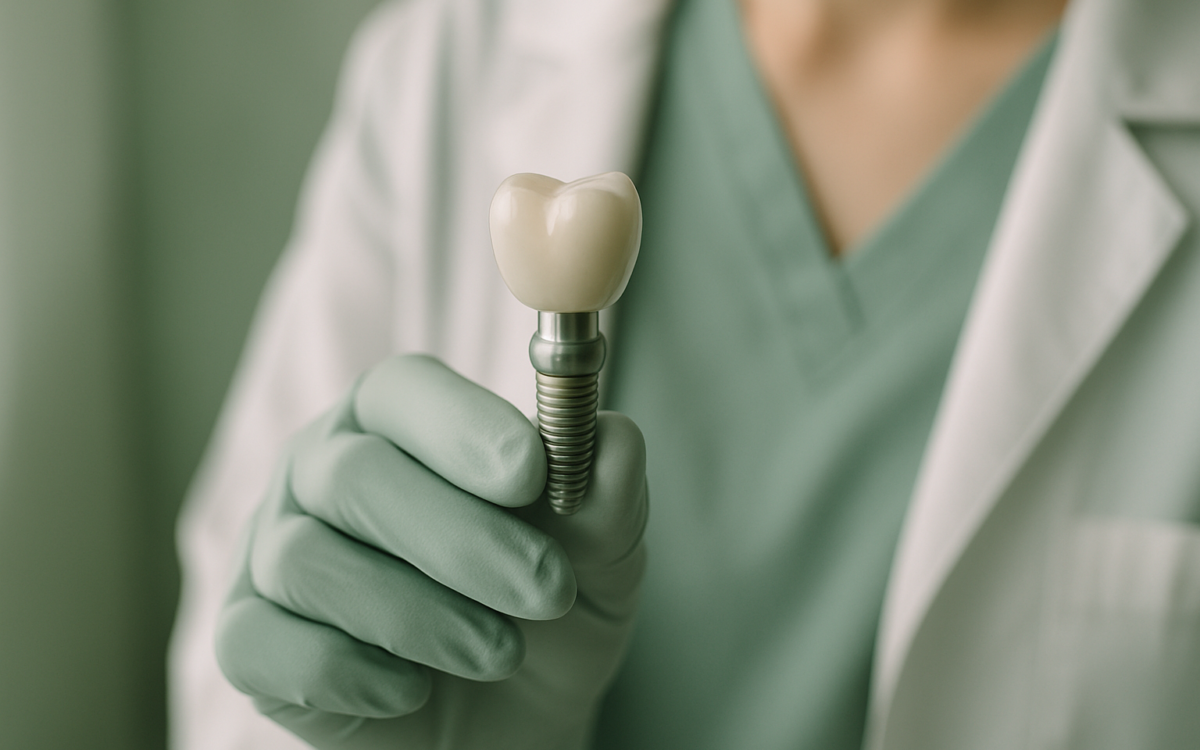
If you’re missing a tooth or need a replacement, dental implants can be an effective solution. A dental implant crown serves as the visible part of the implant, offering a natural-looking replacement. This article will explore what dental implant crowns are, how they work, their benefits, and the overall process.
What Is a Dental Implant Crown?
A dental implant crown is a type of prosthetic tooth that is placed on top of a dental implant. The dental implant itself is a small titanium post that is surgically inserted into the jawbone, acting as a root for the replacement tooth. The crown is custom-made to match the appearance of your natural teeth and is attached to the implant once the area has healed.
Why Choose a Dental Implant Crown?
Dental implant crowns offer several advantages over traditional dentures or bridges:
- Natural Appearance: The crowns are crafted to look just like your natural teeth, making them virtually indistinguishable.
- Durability: With proper care, dental implant crowns can last many years, often a lifetime, contrary to traditional crowns that may need replacing.
- Bone Preservation: Implants help maintain jawbone health by stimulating bone growth, preventing bone loss that often occurs when teeth are missing.
- Stability: Unlike removable dentures, dental implant crowns are firmly fixed, allowing you to eat, speak, and smile confidently.
The Process of Getting a Dental Implant Crown
The journey to obtaining a dental implant crown typically involves several steps, starting with an initial consultation:
1. Consultation and Planning
Your dentist will assess your oral health, including jawbone structure and gum condition, to determine if dental implants are appropriate for you. X-rays or 3D imaging may be used to create a detailed plan.
2. Implant Placement
During the first surgical procedure, the dental implant is placed in the jawbone. After this, a healing period of several months is needed for the bone to fuse with the implant, a process called osseointegration.
3. Abutment Placement
Once the implant is securely integrated, a small connector called an abutment is attached to the implant. This piece will hold the crown in place.
4. Crown Fabrication
Your dentist will take impressions of your mouth to create a custom crown that matches the color, shape, and size of your existing teeth. This usually takes a few weeks.
5. Final Placement
After the crown is ready, you will return to the dentist for its final placement. The crown is attached to the abutment, completing the restoration.
Care and Maintenance of Your Crown
Taking care of your dental implant crown is essential for its longevity. Here are some tips for maintaining your crown:
- Oral Hygiene: Brush twice a day and floss daily, focusing on the area around the implant.
- Regular Dental Check-ups: Visit your dentist regularly for professional cleanings and assessments.
- Avoid Hard Foods: Be cautious when chewing hard foods, as they may damage the crown.
If you’re traveling or considering treatment options abroad, many find that international clinics, such as those listed on acibademinternational.com, offer competitive pricing and high-quality care for dental implants.
Potential Risks and Complications
Like any medical procedure, dental implant crowns come with certain risks. Although they are generally safe, some potential complications may include:
- Infection: Post-surgical infections can occur, albeit rarely.
- Nerve Damage: This can happen during placement but is uncommon.
- Implant Failure: In rare cases, the implant may fail to integrate with the bone.
Discuss any concerns with your dentist, as they can provide insight and preventative measures.
When to See a Doctor
If you experience excessive pain, swelling, or signs of infection after receiving your dental implant crown, it’s essential to consult your dentist immediately. Additionally, persistent discomfort or changes in the fit of the crown warrant a check-up. Don’t hesitate to discuss any concerns with your dental professional to ensure the success of your implant.
Conclusion
A dental implant crown can significantly improve not just your smile but also your overall dental health. By understanding the process, caring for your crown, and being aware of potential complications, you can enjoy a durable and aesthetic solution for missing teeth. Always consult with your dentist to determine the best approach for your dental needs.
