
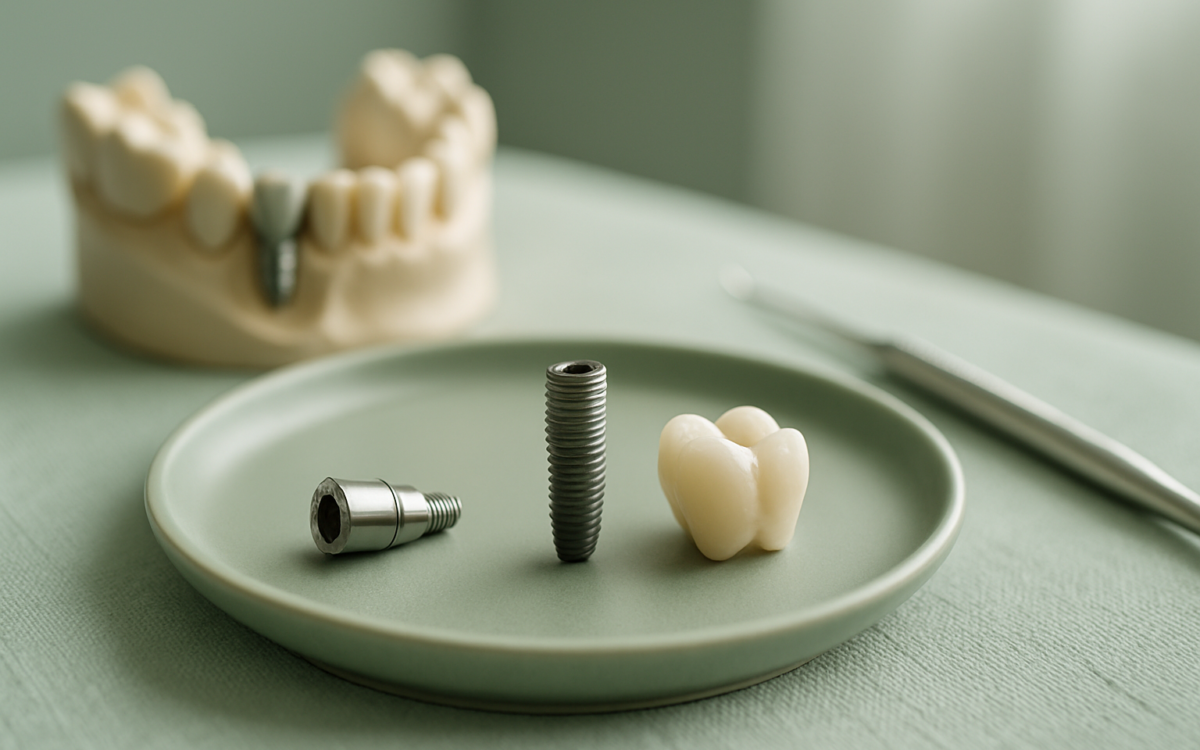
If you’re considering dental implants or have just received one, you might be curious about the various parts that make up this advanced dental solution. Dental implants are designed to replace missing teeth and restore both function and appearance. Understanding the parts involved can help demystify the procedure and what’s happening inside your mouth.
What Are Dental Implants?
Dental implants are titanium posts surgically inserted into the jawbone to serve as artificial tooth roots. They provide a sturdy foundation for replacement teeth or bridges, which are attached to them. Implants can solve problems related to missing teeth due to injury, periodontal disease, or other dental issues.
The Main Parts of a Dental Implant
Dental implants consist of three main components: the implant, the abutment, and the crown. Let’s take a closer look at each part.
1. The Implant
The implant itself is a small titanium post that is surgically placed into the jawbone. Titanium is used because it is biocompatible, meaning it integrates well with human bone. This process is called osseointegration, where the bone grows around the implant, securing it in place. The implant acts as an anchor for the artificial tooth.
2. The Abutment
Once the implant has properly integrated with the bone, an abutment is connected to the top of the implant. The abutment is a small connector that serves as a link between the implant and the prosthetic tooth. It holds the crown securely in place and can be customized to fit your specific needs. Abutments can be made from titanium, gold, or porcelain.
3. The Crown
The crown is the visible part of the dental implant, designed to look and function like a natural tooth. It is typically made from materials such as porcelain or ceramic, which can be color-matched to your existing teeth. Crowns are created to be durable, ensuring they can withstand the daily stresses of biting and chewing.
Types of Dental Implants
There are mainly two types of dental implants: endosteal implants and subperiosteal implants. Understanding the differences can help you discuss options with your dentist.
Endosteal Implants
Endosteal implants are the most common type. They are placed directly into the jawbone and can support one or more prosthetic teeth. This type of implant requires sufficient bone density for placement, which is essential for its stability and success.
Subperiosteal Implants
Subperiosteal implants are less common and are used for patients who may not have adequate bone height for endosteal implants. They are placed under the gum but above the jawbone. A metal framework is positioned under the gums and allows for the attachment of the artificial teeth on top.
The Procedure for Installing Dental Implants
The process of getting dental implants typically involves several stages, which can take months to complete due to the healing time needed for proper integration.
1. Initial Consultation
Your journey begins with a consultation where your dentist will evaluate your oral health, discuss your medical history, and create a tailored treatment plan. Imaging tests, like X-rays or CT scans, may be conducted to assess the jawbone’s condition.
2. Placement of the Implant
During the first surgical procedure, the dentist places the titanium post into the jawbone. Local anesthesia is usually administered to ensure comfort. After the surgery, a healing period of several months is required, allowing for osseointegration.
3. Abutment Placement
Once the implant has integrated with the bone, a second surgery is performed to attach the abutment. This may involve a small incision in the gums to expose the implant. The abutment connects the implant and the crown, providing stability.
4. Crown Placement
After the gums heal around the abutment, impressions of your mouth may be taken to create a custom crown. This will ensure a perfect fit and match with your natural teeth. Finally, the crown is placed on the abutment, completing the process.
Post-Operative Care and Maintenance
Caring for your dental implants is essential for longevity and function. Here are some tips:
- Oral Hygiene: Maintain excellent oral hygiene by brushing and flossing regularly. This helps prevent the risk of infection and gum disease.
- Follow-Up Visits: Regular dental check-ups are vital for monitoring the health of your implants and surrounding gums.
- Avoid Certain Foods: Be cautious with hard or sticky foods that could damage the crown.
When to See a Doctor
If you notice any signs of infection, such as swelling, pain, or unusual discharge around the implant site, it’s important to consult your dentist. Additionally, if you experience significant discomfort or if your implant feels loose, seek professional advice.
Conclusion
Understanding dental implant parts can empower you to make informed decisions about your oral health. With proper care, dental implants can last a lifetime, providing the aesthetics and functionality of natural teeth. Always consult your dentist or oral surgeon for personalized advice and treatment options. Visit Mayo Clinic or NIH for more information on dental implants and their benefits.
