
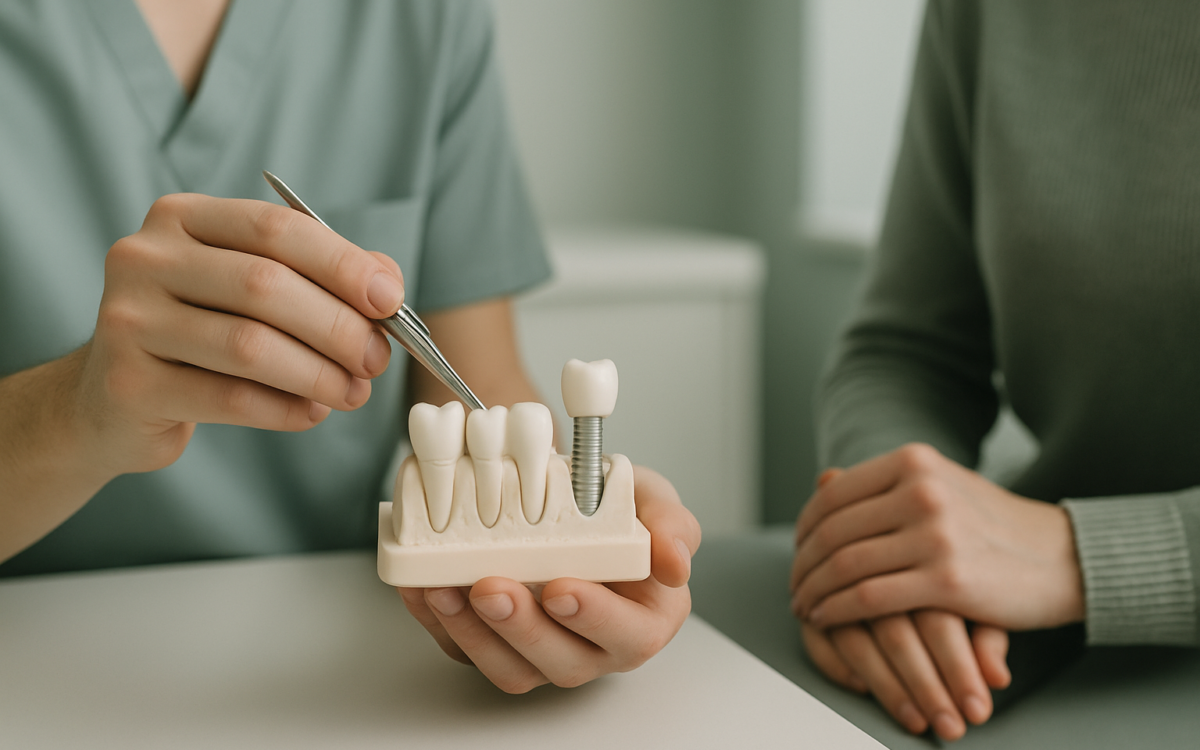
Dental implants have transformed the field of dentistry, offering a permanent solution for missing teeth. For many patients, the process of getting an implant can be daunting, but understanding dental implant restoration can help ease those fears. Here, we will explore what dental implant restoration entails, its benefits, the recovery process, and how to maintain your new smile.
What is Dental Implant Restoration?
Dental implant restoration involves replacing missing teeth using a titanium post and a crown to recreate the function and appearance of natural teeth. The titanium post acts like a root and is surgically placed in the jawbone. After this, a crown, which is the visible part of the tooth, is made to match the surrounding teeth.
The Benefits of Dental Implant Restoration
- Restores Functionality: Implants allow for normal chewing and speaking without discomfort.
- Improves Aesthetics: The crowns can be customized to match your natural teeth, enhancing your smile.
- Prevents Bone Loss: By stimulating the jawbone, implants help prevent deterioration that can occur when teeth are missing.
- Long-Lasting Solution: With proper care, dental implants can last many years, sometimes a lifetime.
The Dental Implant Process
The journey to a complete smile with dental implants typically involves several steps:
1. Consultation and Assessment
During the first appointment, your dentist will evaluate your oral health and take X-rays to assess your jawbone’s condition. This step is crucial to ensure that you have enough bone to support the implant.
2. Surgical Placement of the Implant
Once approved, the dental implant is surgically placed into the jawbone. This procedure is usually performed under local anesthesia, and the recovery time can vary from person to person.
3. Osseointegration
After the implant is placed, a healing period begins. This is known as osseointegration, where the bone grows around the implant, securing it in place. This process can take several months.
4. Abutment Placement
Once osseointegration is complete, an abutment is attached to the implant. The abutment acts as a connector for the crown. This step may require some additional healing time.
5. Crown Placement
The final step is getting the custom-made crown placed on the abutment. Your dentist will ensure that the crown fits well and matches the color of your natural teeth.
Post-Procedure Care and Recovery
After the dental implant procedure, following proper care guidelines is essential for a successful recovery. Here are some tips:
- Follow Dentist’s Instructions: Pay close attention to any aftercare instructions provided by your dentist.
- Practice Good Oral Hygiene: Maintain a diligent oral hygiene routine, including brushing twice a day and flossing daily.
- Avoid Hard Foods: Stick to a soft diet after the procedure to prevent stress on the implant site.
- Attend Follow-Up Appointments: Regular check-ups will help monitor your healing and the implant’s integration.
Maintaining Your Dental Implant
Just like your natural teeth, dental implants require maintenance to stay in good condition. Here are some care tips:
- Regular Dental Visits: Schedule regular check-ups to ensure your implants are in good health.
- Use Non-Abrasive Products: Choose a soft-bristle toothbrush and non-abrasive toothpaste to clean around the implant.
- Avoid Tobacco: Smoking can hinder healing and negatively affect the longevity of your implants.
- Be Mindful of Grinding: If you grind your teeth, discuss options like a night guard with your dentist.
When to See a Doctor
It’s essential to stay vigilant after your dental implant restoration. You should contact your dentist if you experience:
- Severe pain or discomfort that does not improve.
- Redness or swelling around the implant site.
- Loosening of the implant or crown.
- Unusual bleeding.
Conclusion
Dental implant restoration is an effective way to regain your smile and confidence after tooth loss. By understanding the process, benefits, and care required, you can feel empowered to make informed decisions about your dental health. Always consult your dentist for personalized advice and questions, and keep regular appointments to ensure the longevity of your implants.
For more information on dental health, you can visit the Mayo Clinic or check resources from the National Institutes of Health.
