
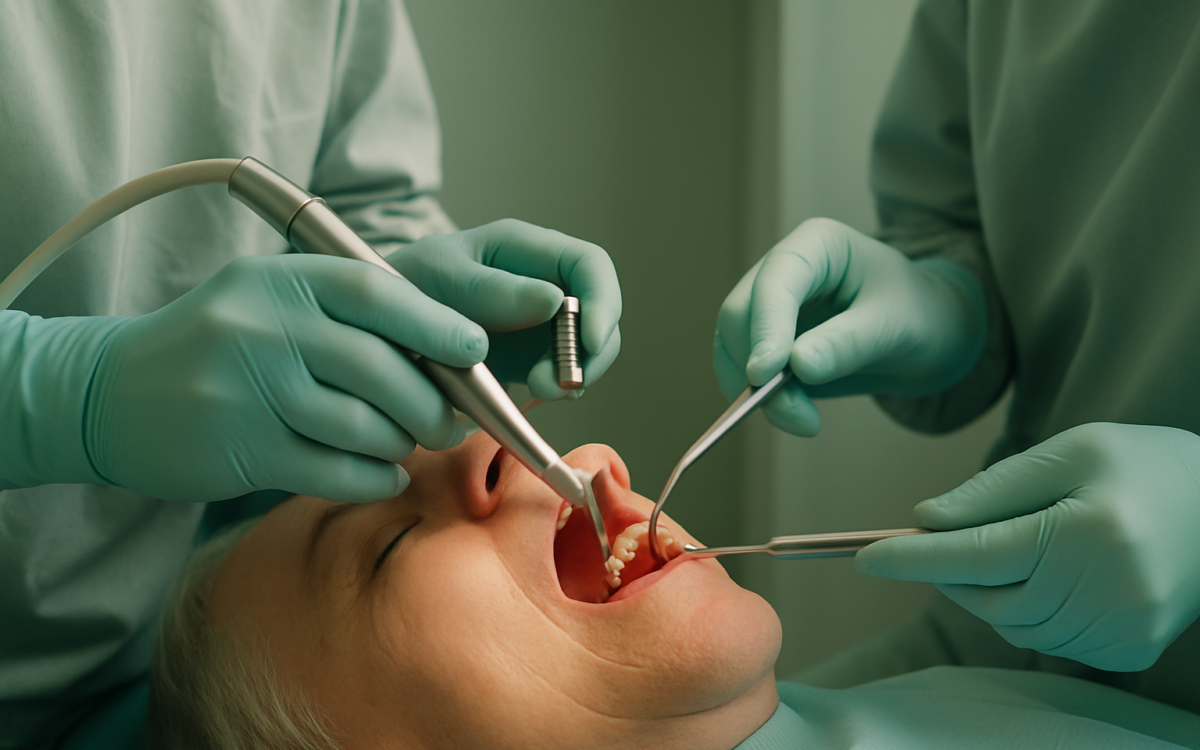
Dental implant surgery is a modern solution for missing teeth, offering a permanent way to reinstate your smile. Whether due to decay, injury, or other health issues, losing a tooth can significantly affect your confidence and quality of life. In this article, we’ll take a closer look at dental implant surgery, how it works, the benefits, and what you should know before undergoing the procedure.
What are dental implants?
Dental implants are metal posts that are surgically positioned into the jawbone beneath your gum line. Once in place, they allow your dentist to mount replacement teeth or bridges onto them. This innovative treatment provides a sturdy foundation for artificial teeth, resembling natural teeth in function and appearance.
Why choose dental implants?
Many people opt for dental implants for several reasons:
- Durability: Dental implants are designed to last a long time, often more than 10 years, making them a cost-effective option in the long run.
- Appearance: Implants can closely mimic the look of natural teeth, helping restore your smile and self-esteem.
- Functionality: Unlike removable dentures, implants function like real teeth, allowing you to eat, speak, and smile without worry.
- Bone Health: Implants can help prevent bone loss in the jaw, which often occurs after tooth loss.
What to expect during the procedure
The dental implant procedure typically occurs in several stages:
1. Consultation and Planning
The first step involves a consultation with your dentist or oral surgeon. They will take X-rays and discuss your health history to determine if you are a good candidate for the surgery. Factors like bone density and gum health are crucial in this decision.
2. Implant Placement
The actual implant placement is a surgical procedure done under local anesthesia. The dentist makes an incision in the gum to expose the bone and inserts the implant. After placing the implant, the gum is stitched back into place.
3. Healing Process
After the implant is placed, you will undergo a healing phase of several months. During this time, the implant fuses with the jawbone, a process known as osseointegration. This healing period is crucial for the implant’s stability.
4. Abutment and Crown Placement
Once healing is complete, another minor surgery is performed to attach an abutment to the implant. Finally, a crown is secured onto the abutment, completing the restoration.
Risks and considerations
While dental implant surgery is generally safe, risks do exist. Potential complications may include:
- Infection at the implant site
- Nerve damage
- Sinus issues (for upper jaw implants)
- Implant failure, which may occur if the bone does not fuse properly or if there are underlying health issues
Additionally, not everyone is a suitable candidate for dental implants. Factors like smoking, uncontrolled diabetes, and certain medications can hinder success. Always discuss your health history thoroughly with your dental professional.
International Perspectives on Dental Implants
With healthcare advancements around the world, many patients now explore dental care options outside their home country. For those considering dental implant surgery abroad, it’s essential to choose a reputable facility with qualified professionals. Options like Acibadem International provide comprehensive care, and their experienced teams can guide you through the process, ensuring your health and safety.
Aftercare and Recovery
Post-surgery care is crucial for successful recovery. Here are some tips:
- Follow your dentist’s aftercare instructions diligently.
- Avoid hard or chewy foods immediately after surgery.
- Maintain excellent oral hygiene to prevent infections.
- Attend all follow-up appointments to monitor healing progress.
Some swelling or discomfort is normal after the procedure, but these symptoms generally subside within a few days. Over-the-counter pain medications often suffice, but consult with your dentist if pain persists.
When to see a doctor
If you experience unusual symptoms such as excessive pain, swelling that does not improve, or signs of infection like fever or pus, reach out to your dentist immediately. Early detection of issues can lead to better outcomes.
In conclusion, dental implant surgery can be a life-changing procedure for those with missing teeth. By understanding the process and preparing adequately, you can achieve a confident smile that enhances your oral health and overall well-being.
