
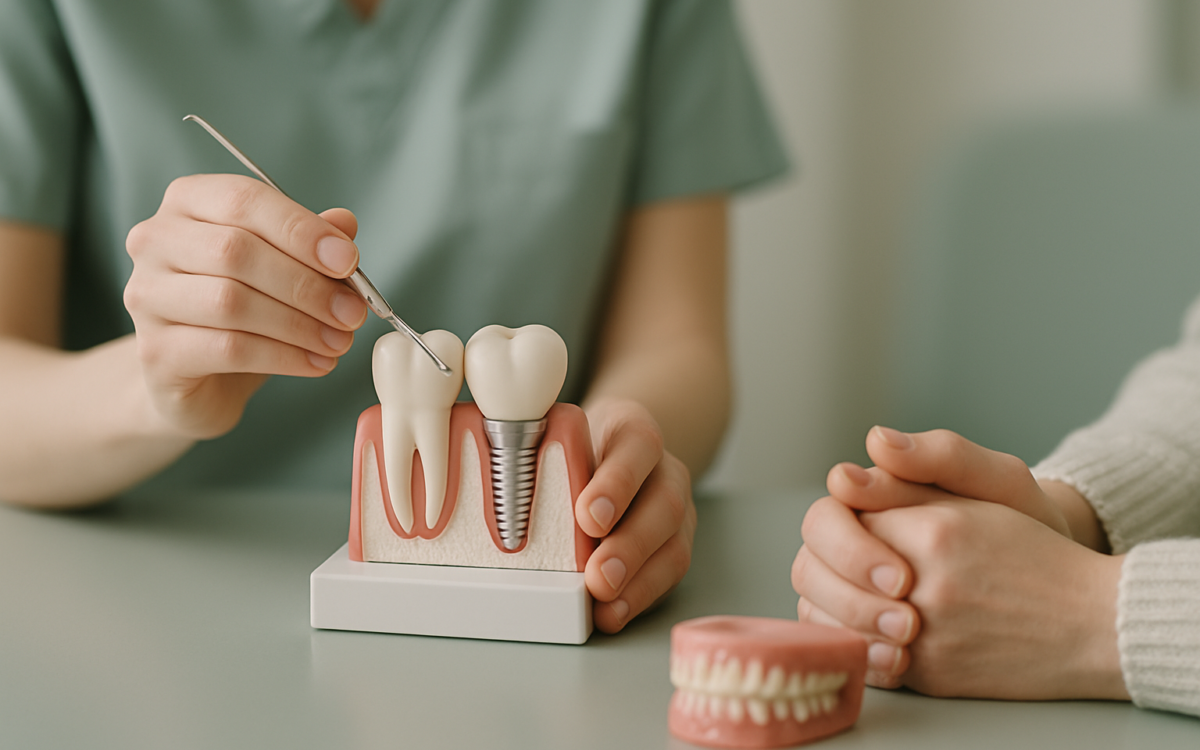
When it comes to replacing missing teeth, dental implants have become a popular and effective option for many people. Unlike traditional false teeth, which can sometimes feel uncomfortable and inconvenient, dental implants offer a more permanent solution that looks and functions just like natural teeth. This article will explore what dental implants are, how they work, their benefits, and what you can expect during the procedure.
What Are Dental Implants?
A dental implant is a small titanium post that is surgically implanted into the jawbone beneath the gums. Once in place, it serves as a sturdy foundation for a replacement tooth, which is custom-made to match your natural teeth. The implants fuse with the bone in a process called osseointegration, providing a stable support system that traditional dentures or false teeth often lack.
How Do Dental Implants Work?
The process of getting dental implants typically involves several steps:
- Consultation: Your dentist will evaluate your oral health and determine if you are a good candidate for implants. They may take X-rays or conduct other tests.
- Implant placement: During a surgical procedure, the titanium post is placed into your jawbone. This is usually done under local anesthesia.
- Healing and osseointegration: After the surgery, the implant needs time to heal and integrate with the bone. This can take several months.
- Abutment placement: Once healed, a small connector called an abutment is attached to the implant. This will hold the replacement tooth.
- Crown placement: Finally, a custom-made crown (the visible part of the tooth) is placed on top of the abutment, completing the procedure.
Throughout this process, your dentist will provide guidance and care to ensure the best possible outcome.
Benefits of Dental Implants
Dental implants offer various advantages over traditional false teeth. Here are some of the main benefits:
- Natural look and feel: Implants are designed to look and function like your natural teeth.
- Durability: With proper care, dental implants can last a lifetime, making them a cost-effective long-term solution.
- Improved oral health: Unlike bridges that may require the alteration of adjacent teeth, implants do not affect other teeth, allowing you to maintain your natural tooth structure.
- Enhanced comfort: Because implants are anchored in the jawbone, they eliminate the discomfort often associated with removable dentures.
- Better chewing and speaking: Implants function just like natural teeth, allowing you to eat a wider variety of foods and speak more clearly.
The American Dental Association notes that dental implants are an effective way to replace missing teeth and improve overall oral health. However, it’s essential to consult your dentist to determine if they are the right fit for you.
Are You a Candidate for Dental Implants?
Most healthy adults can be candidates for dental implants. However, certain conditions might affect your eligibility:
- Bone density: Adequate bone density is required for the implants to be successful. If you have experienced bone loss, there are procedures to increase bone mass before implant placement.
- Dental health issues: Conditions like gum disease may need to be treated before you can have implants.
- Chronic conditions: Certain chronic diseases, such as diabetes or heart disease, may influence the success of implants. It’s crucial to discuss any health issues with your dentist.
During your initial consultation, your dentist will assess your situation and help you understand what steps you might need to take.
Caring for Your Dental Implants
Once you have dental implants, proper care is essential to ensure their longevity and success. Here are some tips for maintaining your implants:
- Good oral hygiene: Brush and floss your teeth regularly, as you would with natural teeth. Using interdental brushes or floss specifically designed for implants can help.
- Regular dental visits: Schedule regular check-ups with your dentist to monitor the health of your implants and surrounding teeth.
- Avoid harmful habits: Refrain from smoking or using tobacco products, as these can affect healing and implant success.
- Eat a balanced diet: A healthy diet rich in vitamins and minerals supports overall oral health.
By taking care of your implants, you can enjoy the benefits they offer for many years.
When to See a Doctor
If you experience any signs of complications after receiving dental implants, such as pain, swelling, or signs of infection around the implant site, contact your dentist immediately. Early intervention can prevent further issues and ensure the success of your implants.
In summary, dental implants present a modern and effective alternative to traditional false teeth. With their ability to mimic the look and function of natural teeth, they can significantly enhance your quality of life. For anyone considering dental implants, a thorough discussion with a dental professional will provide the best insights and guidance tailored to your health needs.
