
A bright smile can boost your confidence and make a lasting impression. But what happens when you lose a front tooth? A dental implant offers a reliable solution, restoring your smile while maintaining your oral health. In this article, we’ll explore what a dental implant is, how the procedure works, and why it might be the perfect choice for replacing that missing front tooth.
What Is a Dental Implant?
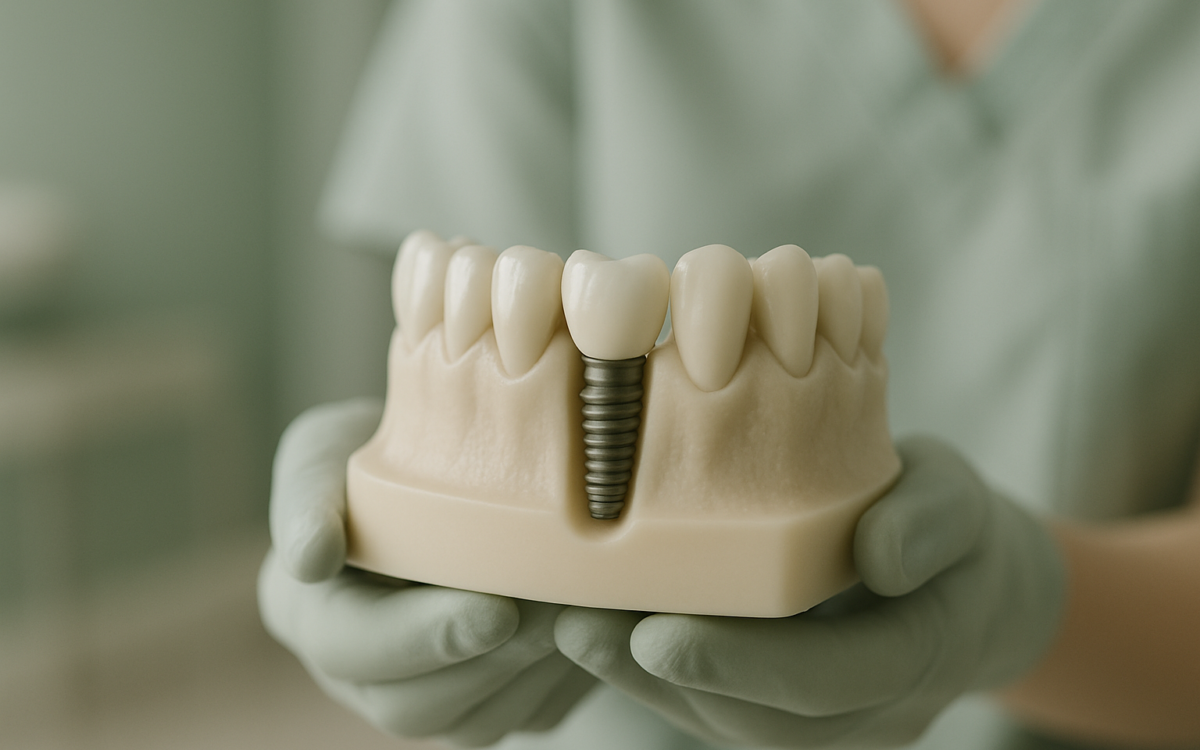
A dental implant is a titanium post that is surgically placed into the jawbone to serve as an artificial root for a missing tooth. Once healed, a crown (the visible part of the tooth) is attached to the implant, creating a natural appearance. Dental implants are designed to function like regular teeth, providing stability for chewing and speaking.
Why Choose a Dental Implant for a Front Tooth?
Replacing a missing front tooth is crucial for both cosmetic reasons and overall oral health. Here are some benefits of choosing an implant over other options like dentures or bridges:
- Natural Appearance: Dental implants are custom-made to match your natural teeth, giving you a seamless smile.
- Durability: With proper care, implants can last a lifetime, making them a long-term investment in your dental health.
- Prevention of Bone Loss: When a tooth is lost, the jawbone can begin to deteriorate. An implant stimulates the bone, helping to maintain its strength and density.
The Dental Implant Procedure
The process of getting a dental implant typically takes several months and involves multiple steps:
1. Initial Consultation
Your journey begins with a consultation with a dental professional. During this visit, they will assess your oral health, take X-rays, and discuss your medical history. This information helps determine if you’re a good candidate for an implant.
2. Surgical Placement
If you’re approved for the procedure, the dentist will place the titanium post into your jawbone under local anesthesia. This step is generally quick, but each individual may experience different levels of discomfort.
3. Healing Period
After placement, the implant needs time to bond with the surrounding bone, a process called osseointegration. This healing period usually lasts from three to six months, allowing the bone to grow around the implant, ensuring its stability.
4. Abutment Placement
Once healed, a small connector piece, known as an abutment, is attached to the implant. This holds the crown in place.
5. Crown Placement
The final step involves the attachment of a custom-made crown. Your dentist will ensure that it fits well and matches your natural tooth color.
Post-Procedure Care
<pCaring for your dental implant is similar to maintaining good oral hygiene for your natural teeth. After the procedure, consider these tips:
- Brush and Floss: Maintain a regular oral hygiene routine by brushing twice a day and flossing daily.
- Regular Check-ups: Visit your dentist regularly for check-ups and professional cleanings to ensure your implant and overall oral health remain in top shape.
- Avoid Hard Foods: For the first few weeks after the procedure, stick to soft foods to avoid putting pressure on your implant.
Potential Risks and Complications
While dental implants have high success rates, there are some risks involved:
- Infection: As with any surgery, there’s a risk of infection at the implant site.
- Nerve Damage: Improper placement may cause nerve damage affecting sensation in surrounding teeth, gums, or lips.
- Sinus Issues: If the upper jaw is involved, implants can protrude into the sinus cavity, leading to complications.
It’s important to discuss these potential risks with your dentist beforehand. They can guide you in weighing the pros and cons of dental implants.
Cost Considerations
The cost of a dental implant for a front tooth can vary widely based on various factors, including:
- The complexity of the procedure
- Your geographical location
- Whether a bone graft is needed
Most dental insurance plans do not cover the full cost, but many offer partial coverage. It’s best to consult your insurance provider and discuss financing options with your dentist.
When to See a Doctor
If you’re considering dental implants or have experienced complications after receiving one, it’s vital to consult your dentist. Look for signs such as persistent pain, swelling, or signs of infection that don’t improve with home care. These issues should be addressed promptly to prevent further complications.
Conclusion
A dental implant for a front tooth can significantly enhance your smile and boost your confidence. With a high success rate and proper care, they can provide a long-lasting solution for tooth loss. If you’re interested in dental implants, consult with a dental professional to ensure you receive the best care suited for your needs.
